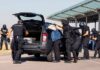
When officials say “cause unknown” after 11 die, trust thins and rumors rush in.
Story Snapshot
- Authorities say the cause is unknown; prosecutors opened a technical probe [1].
- Witness statements are being collected; access to the site is restricted [2].
- The plane was a German-registered Pilatus Turbo Porter used for skydiving [4].
- A local prefect said the plane showed “issues” before a rapid descent [5].
What Officials Confirm So Far
French authorities said a light aircraft crashed near Nancy in eastern France, killing all eleven people on board. Prosecutors opened a technical investigation to find the cause, and they stated the cause remains unknown. Police asked the public to avoid the site so emergency teams and investigators can work without delay. Reports identify the aircraft as a German-registered Pilatus PC-6 Turbo Porter used by a parachuting school. No official finding of negligence or mechanical failure has been released [1].
Regional prefect Yves Séguy told reporters that teams are gathering witness statements as part of the probe. He also said the plane appeared to have issues before it descended fast, which points to a possible problem but not a confirmed cause. This kind of early uncertainty is common in air crashes. Investigators must secure the site, log debris, and examine engines and controls before they share any firm answers with the public [2].
Why The “Cause Unknown” Phase Breeds Doubt
High death tolls raise pressure for quick answers, which often do not exist. When prosecutors and police stay quiet while they work, many people fear a cover-up. That gap fuels online claims and guesswork. In this case, some outlets repeat that officials have not named a cause, while others highlight the prefect’s comment about “issues,” which can sound like proof to readers even though it is not. Clear updates reduce confusion, but early data is often thin [5].
Established investigation practice explains the silence. Safety teams first secure the crash site to protect fragile clues. They then collect perishable data such as recorders, photos, and witness accounts. Next they run detailed checks on engines, flight controls, and structure to confirm what failed and when. Only after that do they issue findings. This step-by-step system is slow by design, but it is how investigators avoid wrong calls that mislead families and the public [11].
Key Facts That Need Answers Next
Investigators need to verify engine and propeller status, control surface positions, and any signs of fire or bird strike before impact. Maintenance logs from the skydiving operator could show prior defects or recurring issues. Weather data at the time, radio calls, and any tracking information could help map the flight path and timeline. Each piece can confirm or rule out pilot error, fuel problems, mechanical failure, or overloading. Until those pieces line up, any firm claim is premature [1].
Plane Crash Kills 11 In Eastern France
A civilian aircraft carrying skydivers crashed near the eastern French town of Tomblaine on Sunday, killing all 11 people on board, local authorities said, in one of France’s deadliest light aircraft accidents.https://t.co/ZNG1ZX5FeP
— Channels Television (@channelstv) June 28, 2026
Police controls around the site may frustrate locals, but they protect the chain of evidence and the community. The crash happened near homes and a shopping area, so access limits also reduce risk and allow heavy gear to move safely. Authorities say this helps first responders work faster and keeps bystanders from getting hurt. It also limits spread of wreckage pieces that might answer the hardest question: what exactly failed in the final seconds [1].
What This Says About Trust And Institutions
People across the political map share a core worry: leaders talk a lot but do not deliver straight answers. Air crash probes can feel like that. Officials must be careful, but families and communities deserve timely facts. A short, public timeline of steps completed and steps ahead would help. Posting when witness interviews end, when engine tests start, and when a preliminary note is due could calm fears while keeping the process clean and fair [2].
What To Watch In The Coming Days
Watch for confirmation that investigators finished site mapping, secured all recoverable parts, and began detailed engine and structure exams. Look for updates on witness statements and weather analysis. A preliminary brief that explains what evidence they have, what they lack, and when they expect lab results would mark real progress. Until then, treat claims that point to a single cause with care. The record so far supports only one firm point: the cause is not known yet [4].
Sources:
[1] YouTube – Light aircraft crashes in eastern France, officials say eleven killed
[2] Web – Plane Crash Near Nancy Kills All 11 On Board in Eastern France
[4] Web – Civilian plane crash kills 11 in France – Global News
[5] Web – Skydiving plane crashes in eastern France, killing all 11 on board
[11] Web – France: 11 killed in civilian plane crash – Yahoo News UK