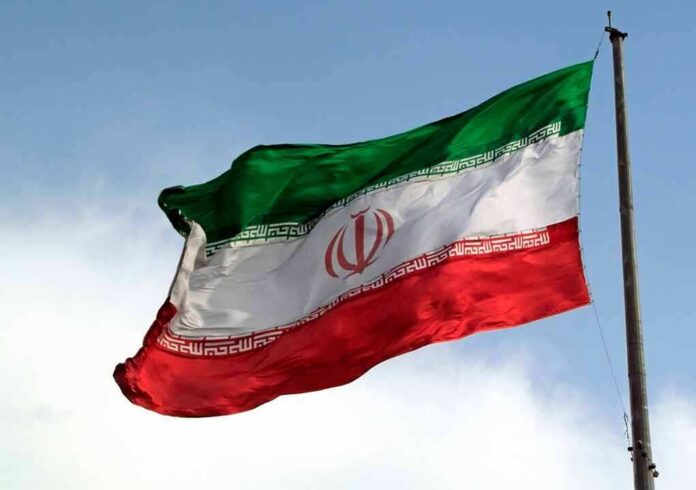
Iranian lawmakers are moving a bill that would put a multimillion-euro reward on the killing of Donald Trump and Benjamin Netanyahu, turning a long-running threat into a formal parliamentary debate.
Quick Take
- Iran’s parliament is reviewing a draft bill tied to retaliation for recent strikes and deaths of Iranian leaders.
- The reported reward is about €50 million, or roughly $58 million, though some reports use different conversion figures.
- The proposal is still under discussion and has not been passed into law.
- Reports say the bill also targets other senior figures, including the commander of United States Central Command.
What Iran’s lawmakers are discussing
Reporting from Iran International says the bill would require the government to pay €50 million to any person or entity that kills Trump, in retaliation for the killing of Iran’s leaders and commanders. Other reports say the draft carries the title “Reciprocal action by military and security forces of the Islamic Republic,” and that Iranian lawmaker Ebrahim Azizi confirmed it was being prepared for review.
Those same reports say the proposal is not yet law. APT said the measure still needs multiple stages of parliamentary review before any vote becomes final. Israel-focused reporting also said the bill would extend beyond Trump to include Netanyahu and Admiral Brad Cooper, the commander of United States Central Command. That wider target list shows how the move is being framed as political retaliation, not just a single isolated threat.
Why the story matters now
The reporting fits a pattern seen in past Iran-linked threats after military clashes with the United States and Israel. Hardline factions often use public rewards, religious language, and symbolic gestures to show defiance to domestic supporters. Those announcements can still matter even when they do not become operational policy, because they keep tensions high and make the threat environment more dangerous for current and former officials.
The mixed reporting on the dollar amount also shows why the story has drawn so much attention. Some outlets put the figure at $58 million, while others convert the same sum as €50 million or about £43.5 million. That is not a real contradiction so much as a currency issue, but it adds to the confusion around a story already shaped by strong political messages and limited public documentation.
What is clear and what remains open
What is clear is that Iranian officials and state-linked reporting have described a draft measure aimed at Trump and Netanyahu, and they have tied it to revenge for the February strikes. What is not clear is whether the bill will pass, how it would be enforced, or whether any official state mechanism could ever carry it out. So far, the public record points to a proposal under review, not a settled law.
For readers on both the left and the right, the larger issue is the same: when governments and power centers treat deadly threats as tools of politics, trust drops even further. Supporters of a hard line see proof that Iran still leans on intimidation. Critics see more evidence that the world’s major players keep using public theater while ordinary people pay the price in fear, instability, and rising risk.
Sources:
thegatewaypundit.com, indiatoday.in, youtube.com, iranintl.com, timesofindia.indiatimes.com, ibtimes.co.uk, ndtv.com, mid-day.com, jpost.com, facebook.com, iranwire.com, hstoday.us, deccanherald.com, jfeed.com, rferl.org