
Fifty years after Jimmy Hoffa vanished, his family now says the Federal Bureau of Investigation knows who did it and must finally “name names” or prove it does not, forcing Washington to choose between truth and secrecy in one of America’s most famous mysteries.
Story Snapshot
- Hoffa’s family is urging Federal Bureau of Investigation Director Kash Patel to keep the case open and publicly name suspects tied to the 1975 disappearance.
- The Federal Bureau of Investigation still lists the Hoffa investigation as active and is asking the public for new tips on the 50th anniversary.
- Long-hidden Federal Bureau of Investigation memos and files already identify key organized crime figures as likely involved, but the bureau has never made an official public call.
- The fight over the Hoffa files taps into a broader anger on left and right that powerful insiders get protection while regular Americans get excuses.
Family presses Federal Bureau of Investigation to keep case open and “name names”
Jimmy Hoffa’s son James and sister Barbara Crancer have called on Federal Bureau of Investigation Director Kash Patel to keep the missing person case open and to publicly identify the people the bureau believes are responsible for Hoffa’s murder. They argue that after more than five decades, criminal charges are unlikely, but the country still deserves the truth. The family wants suspects named even if they are dead, saying history and the victims deserve a clear record, not more silence.
The family’s push is not new. In recent years they asked Presidents in both parties, including Donald Trump, to order the release of the full Federal Bureau of Investigation Hoffa files. They say the government has “kept hidden” what it knows, and that only full disclosure can answer what happened and why. Their message cuts across politics: this is not about helping unions or the mob, but about ending a half-century of stonewalling by federal agencies that answer, in theory, to the people.
Federal Bureau of Investigation says case remains active but holds files tight
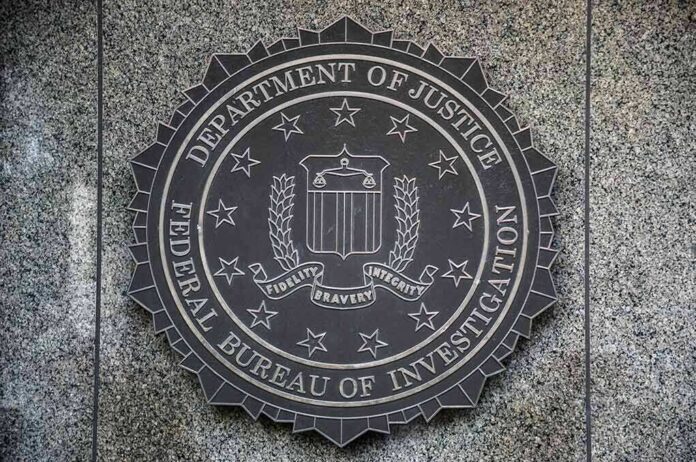
The Federal Bureau of Investigation Detroit Field Office says the Hoffa investigation “remains active” and that agents are “committed to pursuing all credible leads” even 50 years later. On the 50th anniversary of Hoffa’s disappearance, the bureau publicly asked for tips from anyone with information. Officials repeat that they will not give up on solving the case, even after many failed digs, searches, and witness interviews over the decades. On paper, this keeps hope alive, but it also helps the agency justify keeping key records secret.
Because the case is officially still open, the Federal Bureau of Investigation has used that status to resist full release of its Hoffa files, even when lawmakers and the family have pressed for them. Members of Congress have filed formal requests to force the Department of Justice to declassify or disclose most of the bureau’s records. That tug-of-war highlights a broader pattern many Americans recognize: when government agencies want to hide something embarrassing, they often say, “We can’t talk, it’s an ongoing investigation,” and then let the clock run for decades.
What the old memos already say about who likely killed Hoffa
Even without full transparency, we already know some of what the Federal Bureau of Investigation believes. A 1976 “Hoffex” memo, prepared for top officials, concluded that Hoffa was murdered by organized crime leaders who saw his return to power in the Teamsters union as a threat to their grip on its rich pension funds. The memo and later reports tied the plot to New Jersey mobster Anthony “Tony Pro” Provenzano and Detroit mob figure Anthony “Tony Jack” Giacalone, who both had ties to Hoffa and to earlier union violence.
The same files and later court testimony named several New Jersey Teamsters and reputed mob associates as involved in the abduction and likely killing, including brothers Thomas and Stephen Andretta and Salvatore “Sally Bugs” Briguglio. The Hoffex memo also described Chuckie O’Brien, a close Hoffa associate, driving a maroon Mercury that likely carried Hoffa on the day he vanished. None of these men were ever charged in the disappearance, and most are now dead, which is exactly why the family argues there is no good reason not to lay out the Federal Bureau of Investigation’s conclusions in public.
Cold case, hot anger: why this fight resonates far beyond the Hoffa story
The Hoffa family’s demand fits a broader pattern in cold cases tied to organized crime or politics. In many such cases, families push for public naming of suspects when prosecution is no longer possible, seeking closure and a truthful record more than a trial. Federal law now even creates systems to open civil rights cold case files to the public, reflecting a growing belief that citizens deserve access to history, even if it embarrasses the government. This trend echoes a shared frustration across the political spectrum with secrecy and lack of accountability.
Jimmy Hoffa Never Left Detroit!
Hoffa family urges FBI Director Kash Patel to keep investigation open and 'name names'https://t.co/rhH2Cd099g
— Kazum Howell (@stefkule) July 18, 2026
For many Americans, the Hoffa case has become a symbol of how the “deep state,” or permanent government class, protects itself and its friends. Conservatives see a union boss tangled with the mob and ask why federal law enforcement never fully cleaned house. Liberals see powerful political and corporate networks and ask why working people got no justice while elites walked away. Both sides suspect that when powerful players are involved, agencies like the Federal Bureau of Investigation would rather bury the full truth than admit failures, bad deals, or even quiet understandings with criminals.
What is at stake now: trust, transparency, and who government really serves
At this point, naming names in the Hoffa case will not send anyone to prison, but it could send a message. If Director Kash Patel orders a full accounting of the Federal Bureau of Investigation’s findings, including the names in the 1970s memos and later leads, he would be breaking with a long habit of hiding behind “ongoing investigations” all the way to the grave. That kind of openness would not fix today’s problems, but it would show that at least in one famous case, the government chooses truth over protecting its own image.
If, instead, the bureau keeps the files locked and the language vague, the damage goes beyond one missing union leader. It tells millions who already doubt Washington that even after fifty years, even after suspects die, the system still protects the insiders first. That is why the Hoffa family’s simple demand — keep the case open, and name the names — speaks to more than a mystery from 1975. It asks whether the people who run federal power are willing to treat the public like adults and owners, instead of a problem to manage.
Sources:
facebook.com, foxnews.com, heraldnet.com, time.com, nytimes.com, anomalydesk.com, kshb.com, abc7chicago.com, hourdetroit.com, hls.harvard.edu, policechiefmagazine.org