
On Independence Day, activists renewed calls for tighter gun laws while court precedents still protect an individual right to own firearms, sharpening a national split over what “freedom” means.
Story Snapshot
- Advocacy groups often use July 4 to press for gun regulations like background checks and storage laws.
- Supreme Court rulings recognize an individual right to keep guns, applied to states in 2010.
- Recent decisions require laws to fit the nation’s historical tradition, raising legal hurdles.
- Civil liberties groups still back gun rules tied to public safety when well justified.
Advocacy Messaging Meets a Holiday About Freedom
Advocacy groups have a pattern of using July 4 to argue for new gun laws, linking safety to patriotism. Past Independence Day efforts promoted universal background checks, limits on assault-style rifles, and safe storage rules, and framed these steps as common sense. Supporters say these measures respect responsible owners while reducing risk to kids and communities. Critics answer that July 4 should honor liberty first and warn that “commonsense” can hide broad limits on rights.
The current push lands in a nation with deep mistrust of federal power. Voters across parties see elites as detached and slow to fix real problems like crime and cost of living. Many also see selective enforcement that hits regular people while insiders skate by. These concerns shape how both sides read holiday campaigns. One side hears safety and duty. The other hears officials asking for more control on a day meant to celebrate limits on government.
What the Supreme Court Has Actually Said
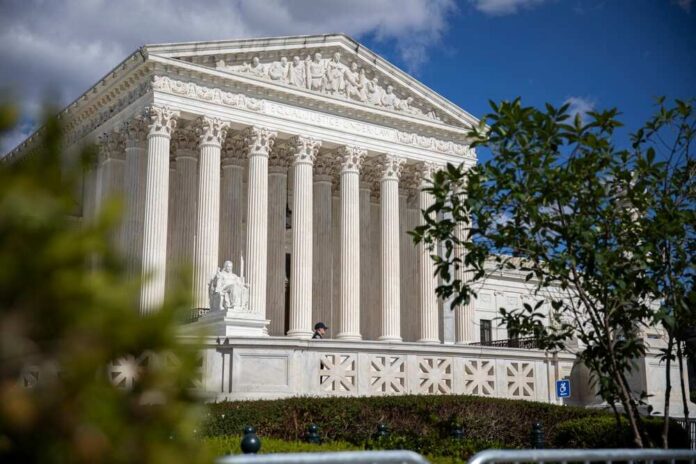
The Supreme Court ruled in 2008 that the Second Amendment protects an individual right to keep a gun for self-defense in the home, striking down a handgun ban in Washington, D.C.. In 2010, the Court said that right also binds states and cities through the Fourteenth Amendment, limiting how far local rules can go. These decisions set a floor under the right, even while leaving room for certain long-standing regulations that do not gut the core of self-defense.
In 2022, the Court added a test that asks whether modern gun rules match the nation’s historical tradition of firearm regulation. That standard has made it harder for governments to defend novel or broad limits. Courts now weigh whether a law has a close historical cousin from the founding era or early republic. Laws that lack those roots face a steeper climb, and some have been struck or narrowed using that approach.
Room for Safety Laws, but Only If They Fit
Gun safety advocates point out that even the 2008 ruling said the right is not unlimited and referenced examples of “presumptively lawful” measures, which some lower courts later used to uphold storage rules or bans on certain accessories. Advocacy groups catalog those outcomes to argue that strong safety laws can coexist with gun rights. That reading has limits after the 2022 standard, but it still guides how lawmakers try to craft narrower, targeted policies.
Civil liberties voices also allow for regulation when tailored to real public safety needs. The American Civil Liberties Union has said the government may regulate firearms when the limits relate to health and safety, with courts deferring to some legislative judgments that are well supported. That stance does not bless blanket bans. It urges laws that are specific, evidence-based, and respectful of core rights, which aligns with many voters’ desire for balance.
Why July 4 Amplifies the Clash
Holiday campaigns trigger sharp reactions because both sides claim the founding story. Safety groups say freedom includes the right to attend a parade or send kids to school without fear, and they argue regulations can support that goal. Gun rights supporters answer that the founders distrusted concentrated power and armed citizens for that reason, so new limits feel like a step away from the country’s first principles. Neither side trusts Washington to get the balance right.
Gun-Grabbing Group Spends Independence Day Begging Politicians to Strip Down the Second Amendment
Sen. Mark Kelly's wife Gabby Giffords is pushing for gun control again and used Independence Day to do so. 🙄
How exactly did we gain independence?🤔
We used guns to do it! 😉Our… pic.twitter.com/6i2UX80Xhq
— NWRain-Judi (@RYboating) July 5, 2026
The legal bottom line shapes the politics. Any new law must clear the individual-rights rulings from 2008 and 2010 and also fit the tradition test added later. That pushes lawmakers toward narrow measures with clear historic echoes, like keeping guns from those proven dangerous, or storage rules that track past practices. Sweeping bans face higher risk in court. Voters who feel government has failed want proof that proposals work and do not erode rights in the process.
Sources:
constitutioncenter.org, giffords.org, youtube.com, pmc.ncbi.nlm.nih.gov, shontelbrown.house.gov, instagram.com