

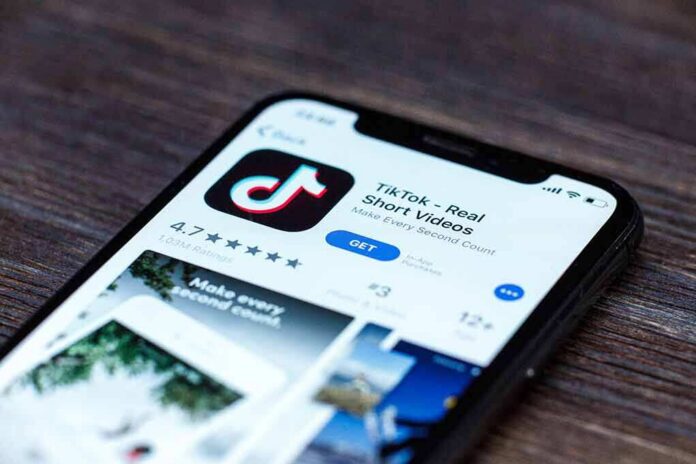
A TikTok ad promising £500 for a simple “quiz” used Monzo’s name and was removed as a scam.
Story Snapshot
- Monzo said the £500 “quiz” has no link to the bank and called it a scam.
- TikTok took down the account and content for breaking fraud-and-scams rules.
- The ad used Monzo’s brand to push users toward tasks for a cash reward.
- Brand-impersonation scams are common and often spread on social media.
What Happened: A Fake £500 Quiz Used Monzo’s Brand
The Mirror reported seeing a TikTok advert that promised £500 after users finished simple tasks. The ad claimed to be from Monzo, a popular digital bank in the United Kingdom. Monzo told the outlet, “This quiz has no connection to Monzo. It’s a scam where criminals are using our much-loved brand to mislead people.” TikTok said it banned the account and removed the posts for breaking its fraud-and-scams policies, confirming platform action against the ad.
The report did not share the operators’ names or the ad’s full technical trail. It did not show the landing page code, payment accounts, or victim totals. But the core facts are firm: Monzo denied any link, warned people not to engage, and TikTok pulled the content. The Mirror described how the ad worked in broad terms, noting that users were pushed to complete tasks, which is a common sign of advance-fee or data-harvest scams.
How The Scam Hooks People: Big Rewards, Easy Tasks, Urgent Timing
Fraudsters often promise quick cash with very low effort. They lean on trusted brands to look safe. Monzo’s safety pages warn that criminals impersonate the bank and try to rush people into sharing details or moving money. The guidance is simple: Monzo will not ask you to move money or for one-time passcodes, and surprise offers with unusually high returns should raise alarms. If something feels off, stop and check with the bank directly.
Monzo’s help pages also explain advance-fee style tricks. Scammers ask for small steps or fees now with a promise of a bigger payout later. The “quiz” set-up fits that playbook. It starts with an easy task and then shifts to requests for personal data, bank information, or payments. The right move is to avoid clicking through, never share codes, and report it to the bank and the platform right away. Fast reporting helps stop copycat posts.
Why This Matters: Social Platforms Amplify Impersonation Scams
This case is part of a wider trend, not a one-off. Ofcom research found that almost nine in ten online adults in the United Kingdom have seen content they thought was a scam or fraud. Nearly a quarter first saw it on social media, which shows how fast bad ads can spread compared with official warnings. That reach gives criminals an edge, especially when they borrow the look and feel of well-known brands.
Regulators also flag the scale of losses tied to online fraud. The Payment Systems Regulator reported that authorised push payment fraud cost £341 million in 2023. A large share began on major tech and social sites, where ad tools and viral sharing help scams find targets. That is why banks, platforms, and users all have roles: banks issue alerts, platforms remove content, and users slow the spread by not sharing suspect posts.
What You Can Do Now: Simple Steps To Stay Safe
Check the source before you click. Go to the bank’s app or website and look for the same offer. If it is not there, it is not real. Do not give out personal details or one-time passcodes. Do not move money because someone on social media told you to. If you sent money or shared data, contact your bank at once using the number on the back of your card or in the official app. Ask for help and next steps.
Report the post to the platform so it can be removed faster. Take screenshots if safe to do so, then warn friends without sharing scam links. During the holiday season, budgets are tight and promises of “free money” look tempting. That is what criminals count on. Slow down, verify with the source, and trust your gut. A real bank does not run surprise quizzes that ask for your codes, cash, or card details.
Sources:
mirror.co.uk, monzo.com, financial-ombudsman.org.uk, reddit.com