
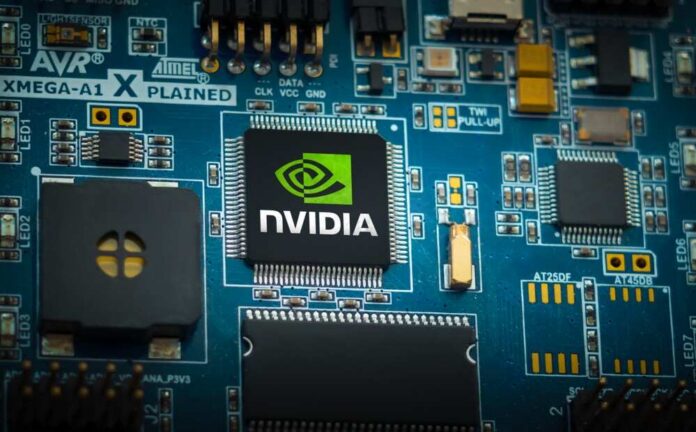
Nvidia’s board voted unanimously to put Jensen Huang back in charge just weeks after he resigned amid allegations tied to a suspected Chinese spy, and President Trump says he had nothing to do with it going wrong in the first place.
Quick Take
- Nvidia’s board unanimously reinstated Jensen Huang as president, CEO, and board director on November 23, effective immediately.
- Nvidia says senior U.S. government officials gave input confirming the move poses no national security risk.
- President Trump publicly predicted Huang’s return before the announcement and called the decision “correct.”
- Republican Representative Don Bacon says Huang was “compromised and exploited by a Chinese spy” and wants more answers.
- Huang only admitted an affair after reports said the woman involved was identified as a Chinese intelligence asset.
Board Reverses Course in a Single Vote
Nvidia’s board met, discussed Huang’s candor and his ability to lead, then voted unanimously to put him back as president, chief executive, and board director, effective immediately. The company said it reached its decision after receiving “input from senior levels of the United States government” and declared itself confident the reinstatement carries no national security risk. Nvidia’s stock jumped 31% on the news.
President Trump told a reporter Huang would be back “soon” and “back where he should be” hours before Nvidia made it official. He later said publicly that Huang “did nothing wrong,” a claim that lines up with Nvidia’s own national security conclusion but goes further, since a company’s decision to bring an executive back does not mean every allegation against him was proven false.
Lawmakers Say Questions Remain Unanswered
Republican Representative Don Bacon said Huang was “compromised and exploited by a Chinese spy” and argued serious national security questions still need answers, even after the board’s vote. Huang had reportedly resigned after news broke that a woman connected to him, identified in reports as Alice Huang, had been flagged by U.S. intelligence as a possible Chinese intelligence asset. Huang acknowledged the affair only after that reporting surfaced.
Secretary of State Marco Rubio reportedly sent Trump a memo warning about Huang’s relationship, based on a report generated by the Central Intelligence Agency (CIA), according to a person familiar with the matter. That detail suggests the concerns reached the highest levels of government before Trump began pushing for Huang’s return, raising questions about how that warning was weighed against the push to reinstate him.
What Nvidia Has Not Disclosed
Nvidia named no specific agencies, officials, or intelligence assessments behind its “no risk” conclusion, leaving the public to take the company’s word for it. Yale School of Management’s Jeffrey Sonnenfeld said the national security concern may be only one of several problems raised by the episode, suggesting the board itself may not have been doing its job overseeing Huang.
#BREAKING: Nvidia said today it was reinstating Jensen Huang as CEO, effective immediately, an extraordinary reversal that followed calls from President Donald Trump for his return.
Read more: https://t.co/kDDhUlGTR8 pic.twitter.com/jiK0pjyT3k
— Star-Advertiser (@StarAdvertiser) November 23, 2026
Andrew Yoon of CivAI, a research group focused on artificial intelligence risk, told reporters Huang did not need to be personally compromised by China to have put U.S. interests at risk, simply by holding the access and influence he did. Nvidia’s chips sit at the center of a tightly controlled export system meant to stop advanced artificial intelligence technology from strengthening China’s military, and critics say Huang’s past lobbying against those export limits adds to the unease.
A Reversal That Raises Bigger Questions
Corporate governance professors say there is little precedent for a chief executive accused of being targeted by a suspected foreign intelligence operation being reinstated so quickly, with no public release of board minutes, interview records, or the government assessment that cleared him. That absence of detail does not prove wrongdoing, but it does leave both ordinary Americans and lawmakers from both parties asking who exactly made the call that this posed no risk, and on what evidence.
For a public already skeptical that powerful institutions answer to anyone, the speed of this reversal, paired with a president publicly lobbying for an executive’s return before the company confirmed it, fits a familiar pattern. Whether the concern is unchecked corporate power, foreign influence, or insider access to the halls of government, the Huang episode gives people on the left and right a shared reason to demand more transparency, not less.
Sources:
mediaite.com, cnn.com, edition.cnn.com, bbc.com, freep.com, abc.net.au