
Six World War II-era grenades turned up in a box from an Austin estate sale, forcing a bomb-squad response but ending without injuries, police said.
Story Snapshot
- Austin resident found six WWII-era grenades in estate-sale boxes and called police.
- Officers secured a northwest Austin street; bomb techs used X-ray and treated them as live.
- Technicians rendered the grenades safe or removed them; no one was hurt and no charges were filed.
- Police said the items looked live but posed no immediate threat under the conditions reported.
What Police Say Happened On The Austin Block
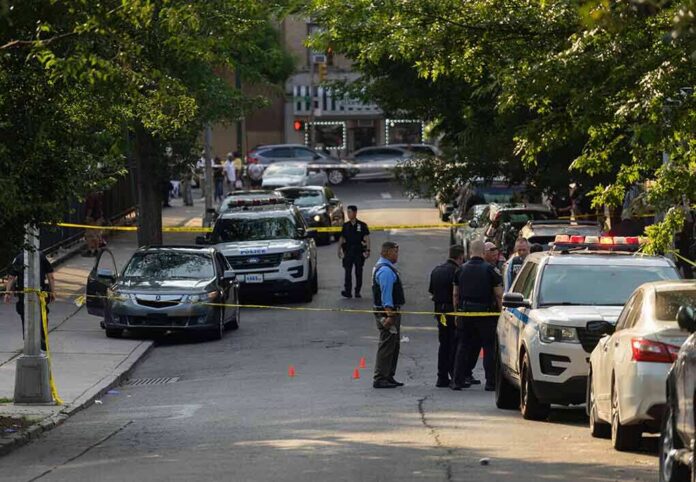
Austin police responded to the 5800 block of Gentle Breeze Terrace around 4:09 p.m. after a resident reported finding grenades in estate-sale boxes, according to local reports. Officers secured the area and set a perimeter while they waited for bomb technicians. The resident, who has not been named, told police the items came from an estate sale. No injuries were reported at the scene, and neighbors were kept back until the devices were handled.
Bomb technicians examined the grenades using X-ray equipment and treated them as live based on what they saw, a police spokesperson told the Houston Chronicle. The team then carried out render-safe steps and seized or removed the devices. Police-affiliated statements said the grenades were “live and active,” while some local outlets used “apparent” or “potentially live,” reflecting cautious language common in these events.
How Officials Described The Risk And Response
Police said the grenades appeared to be World War II-era and looked live, but did not pose an immediate threat given how they were found and secured. Officers kept people away, reduced movement near the items, and deferred hands-on work to the bomb squad. This approach tracks with standard public-safety rules: do not touch old ordnance, keep others clear, and call 911. Authorities reported no criminal conduct and said no charges would be filed in this case.
Reports did not list the grenades’ exact model or how the squad neutralized them, which is typical when technical records are not yet public. Media accounts did not include police incident files, bomb-squad photos, or X-ray images. Still, the official timeline is consistent across outlets: discovery, perimeter, X-ray assessment, render-safe work, and safe removal. The Austin Police Association also highlighted patrol officers’ role in securing the scene before the technicians arrived.
Why Old Ordnance Keeps Showing Up In Civilian Life
Estate sales, inherited storage, and private collections often turn up military items that families do not recognize or cannot verify as inert. The Department of Defense’s explosives safety program lists past cases in which museum staff, scrappers, and homeowners stumbled on dangerous items, sometimes with serious injuries when handled. Europe still finds thousands of wartime munitions each year, showing how old explosives can persist for decades and remain risky when moved or disturbed.
🔴 Live WWII grenades discovered in Austin estate-sale purchase
Austin police responded Tuesday to a resident who found live World War II-era grenades in items purchased at an estate sale. A bomb squad confirmed the devices contained explosive material and could detonate.… pic.twitter.com/Bf6Azolqn9
— NewsTongue (@NewsTongueX) October 14, 2026
Experts urge simple steps when someone finds possible ordnance: do not touch it, mark the area, move people back, and call local authorities. Bomb squads bring the tools and training to X-ray devices, identify fuzes, and decide whether to render safe on site or transport for disposal. In Austin, that process worked as designed. The buyer called for help, police locked down the area, and technicians removed a hazard without anyone getting hurt.
What This Says About Trust And Safety
This episode shows how routine public safety can still function in a time when many feel the system serves elites first. A regular person bought a box, found a threat from a past war, and got a fast, careful response. That does not fix bigger fights over spending, crime, or national priorities. But it does show that clear rules, quick calls, and skilled teams can protect a neighborhood when something dangerous shows up where it should not be.
Sources:
washingtontimes.com, abcnews.com, cbsaustin.com, kmbc.com, cbsnews.com, ndtv.com