

Saudi Arabia warned the Houthis that fresh strikes on airports, oil sites, and shipping will bring “consequences,” after the United Nations condemned attacks hitting civilians and energy infrastructure.
Story Snapshot
- Saudi leaders say Houthi attacks threaten civilians, oil facilities, and key trade routes.
- The United Nations condemned Houthi strikes on Saudi targets and threats to shipping.
- Houthis claim “retaliation” and say non-Saudi ships can pass safely.
- Any wider fight risks higher prices and new shocks to global trade.
Saudi Statement Links Attacks to Security, Energy, and Trade
Saudi officials said recent Houthi missile and drone attacks endangered Saudi civilians, airports, and energy assets, and also put freedom of navigation at risk. The United Nations Security Council backed those concerns, condemning continued Houthi attacks on Saudi Arabia, including strikes that hit civilian and energy infrastructure, and denouncing threats against commercial shipping in the Red Sea and Bab el‑Mandab Strait. The warning signals that future attacks on oil or transport hubs could draw a stronger response from Riyadh, with costs felt beyond the region.
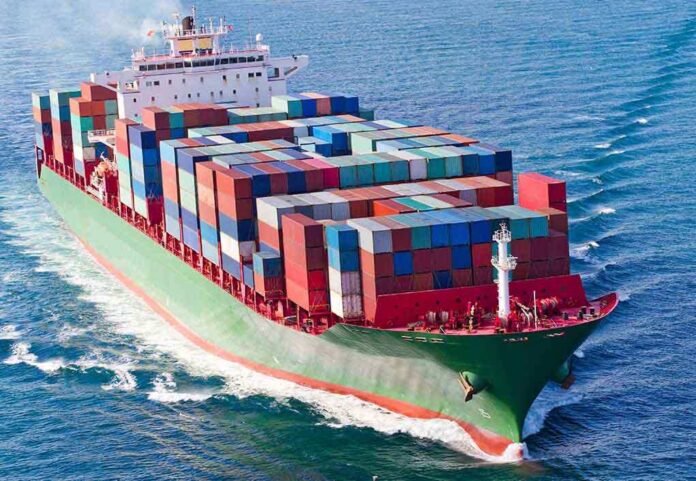
United Nations briefings and council transcripts have warned that such attacks threaten regional security and global commerce. Council discussions stressed that navigation rights must be respected and that attacks on commercial vessels erode the safety of crews and shipping lanes. These channels are not abstract. They carry oil, gas, and container traffic that connect factories, farms, and families. When missiles and drones force detours, the bill shows up later as higher prices at the pump and at the store.
Documented Strikes and Rising Civilian Toll
United Nations officials condemned a deadly strike that Saudi authorities said hit Riyadh’s main airport, killing 12 people and injuring more than 300. The statement restated that attacks on civilians and civilian sites violate international law and must stop. Saudi authorities also reported attempts to hit sites tied to energy flows, including near Yanbu, Taif, Baysh, and Farasan, though they said defenses blocked some of them. These details show a pattern that raises risk to both people and the economy inside the kingdom.
Saudi media and international wires have described a cycle of cross‑border fire and intercepts. Reports cited Houthi claims of strikes on airports and oil facilities, paired with Saudi actions against Houthi military targets. The United Nations Security Council’s press statement adds weight to Saudi claims by documenting attacks that affected civilian and energy infrastructure and warning about threats to ships. That combination of targets matters, because it blends human cost with potential damage to fuel supplies, shipping insurance rates, and delivery times.
Houthi Position: Retaliation and a Claimed “Ban” on Saudi Shipping
Houthi spokesmen said their strikes were retaliation for Saudi air operations and what they call a blockade, and argued that maritime navigation is safe for all companies except Saudi vessels. They framed their approach as “escalation for escalation,” claiming they would keep targeting Saudi‑linked ships while sparing others. That stance still collides with global concerns. Even selective bans can spook crews and insurers, raising costs and prompting detours through longer routes, which hurts many countries and consumers.
🛑 BREAKING | FOOTAGE SHOWS OIL FACILITY STRUCK BY SAUDI AIRSTRIKES IN SANA’A, YEMEN
Footage has emerged showing an oil facility in Sana’a, Yemen, reportedly struck by Saudi warplanes amid escalating tensions between Saudi Arabia and the Houthi movement.
The reported strike… https://t.co/eIzJSErCsq
— Lion&Sun (@LionSunMovement) October 13, 2026
The United States Maritime Administration reported Houthi declarations of a blockade on Saudi‑affiliated shipping through the Bab el‑Mandab after cross‑border strikes, reinforcing worries about targeted limits that still ripple across trade lanes. Those ripples have grown before. The World Bank said attacks since late 2023 pushed a critical corridor for global container traffic into chaos, with knock‑on shocks to schedules and prices. When one chokepoint clogs, freight shifts elsewhere, adding time, fuel burn, and cost.
What This Means for Americans Watching Prices and Security
Global energy and shipping shocks do not stop at the water’s edge. When tankers and container ships avoid the Red Sea, routes stretch, fuel costs rise, and goods show up late. Past disruptions forced major carriers to bypass Suez, straining supply chains and raising prices down the line. For families already pressed by higher costs, this matters. For small businesses, delays can crush margins. For service members at sea, a crowded and tense corridor means more risk and longer deployments.
Across our political divide, many Americans see a pattern: regional wars, armed groups using cheap drones and missiles, and leaders who respond late. People on the right worry about energy security and the price of fuel. People on the left worry about civilian harm and a widening war. Both sides worry that the system reacts only after damage is done. Clear rules on navigation, firm protection of civilians, and faster, credible diplomacy are not slogans. They are the guardrails that keep prices stable and wars contained.
Sources:
insiderpaper.com, transcripts.un.org, bbc.co.uk, spa.gov.sa, maritime.dot.gov, afp.com, africacenter.org, defensa.gob.es, csis.org