
Spain’s deadly high-speed collision, followed by leaked control-room audio, has passengers asking if the system that promises safety now puts them at risk.
Story Highlights
- A Renfe train hit a stopped Iryo train near Urda, killing dozens and injuring many more.
- Officials said a computer failure halted trains, and a controller later cleared one to proceed.
- Leaked audio suggests normal-speed authorization despite a stalled train ahead.
- A 2013 derailment still haunts riders and shapes today’s safety fears.
What Happened On Spain’s High-Speed Line
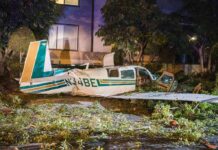
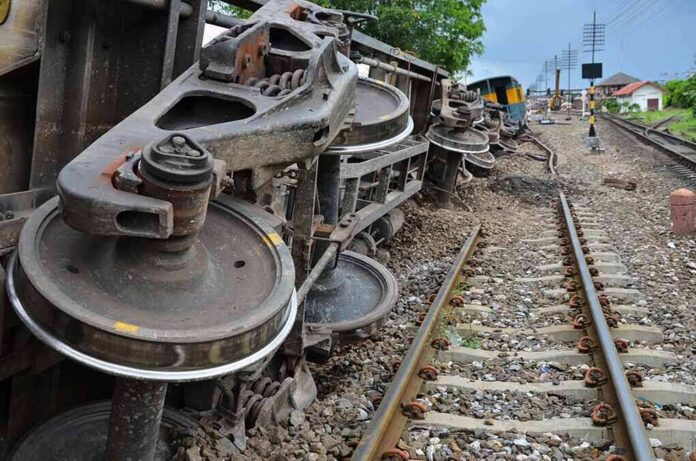
Authorities reported a fatal collision near Urda on the Madrid to Seville high-speed route. A state-run Renfe train struck a stationary Iryo train, killing at least dozens of people and injuring more than 100, according to early counts from major outlets. The impact wrecked cars and trapped riders until emergency crews arrived. The scale of loss made global news and shocked many who ride Spain’s fast trains each day.
Spain’s transport minister described a chain of events that started with a computer malfunction. The failure stopped several trains and led the control center to manage movement by direct authorization. The minister said a train received permission to continue, and later called the decision “inexplicable” while investigators reviewed the sequence. That comment focused attention on whether procedures and safeguards worked as designed that day.
The Evidence Raising New Safety Questions
Published audio clips appear to capture dispatchers and drivers discussing track status before the crash. Reports say the controller cleared a train to operate at normal speed even though another train sat ahead on the line, roughly 25 kilometers away. The clips fueled public concern that human decisions overrode normal layers of technical protection. Unions and officials said the full record matters, but the shared excerpts shaped public view of preventable risk.
Newsrooms also highlighted early accounts of a safety-control failure inside the network. The transport minister said the computer outage forced manual authorizations and that one such clearance allowed movement without speed limits while a stalled train remained on the route. That version centers responsibility on system control choices, not only on front-line crews. Investigators are now tasked with confirming timing, signals, and speed data tied to those orders.
Why Passengers Feel Vulnerable After Rare Disasters
Many riders remember the 2013 Santiago de Compostela derailment as proof that single errors can have huge costs. Black-box data from that earlier crash showed a train took a sharp curve at about 179 kilometers per hour where the limit was 80. The wreck killed 79 people and injured roughly 140. The case stands as a hard lesson about speed control, signage, and human workload when trains move from fast stretches to tighter curves.
Experts say rail remains among the safest ways to travel in Europe over the long term. Yet a rare mass-casualty event can change how riders judge risk. People weigh vivid harm more than statistics, especially when systems seem to fail in layers. When leaked audio suggests clearance despite danger, trust erodes fast. That is why families want transparent records, not just summaries. They want to see logs, signals, and speed traces to confirm what went wrong and why.
What Investigators Need To Clarify Next
Investigators will likely review every call, signal state, and train data set around the crash. Key tests include whether the control system could have stopped the Renfe train after the outage, what braking distance applied, and why normal-speed movement was authorized. They also must fix casualty totals with a final tally. Clear answers matter to riders who now board with a knot in their stomach, and to operators who must prove safeguards still work.
**Spain’s rail safety system failed twice in one year on the same line, and the second time it killed 69 people because a controller cleared a train to run at speed past a red signal after the automated brakes dropped out.**[[1]](https://t.co/fmjoOpLZj8)
[Take 12/15 · 𝕏-2]
###…— GrumpyNews, emotionally clean news. (@GrumpyNews_) October 29, 2026
For both left and right, the core demand is the same: tell the truth and fix the system. Riders do not care about turf battles between a state operator, a private operator, and ministries. They want independent checks, strong technology, and leaders who accept responsibility. Spain’s rail network is a public trust. After a crash this severe, only full disclosure and enforceable changes can rebuild the confidence that fast trains require to serve the people.
Sources:
youtube.com, bbc.co.uk, goodmorningamerica.com, bbc.com, ep00.epimg.net, ft.com