

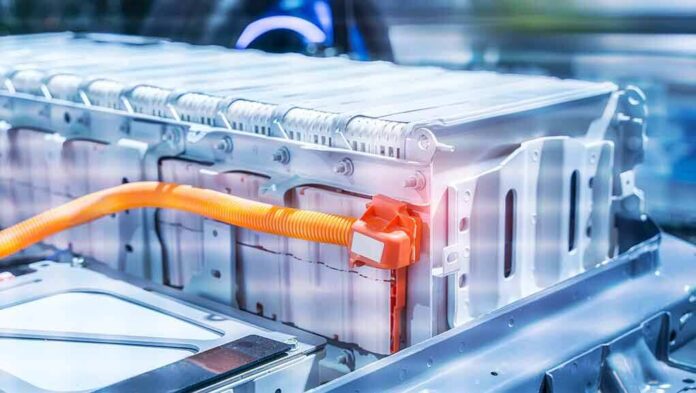
NASA says new solid-state battery prototypes survived minus 274°F in tests, aiming to power Artemis missions through deadly lunar cold.
Story Highlights
- NASA reports solid-state cells endured from 212°F to minus 274°F without damage.
- Prototypes operated from 176°F down to minus 76°F, with limited output near minus 112°F.
- The design swaps flammable liquid electrolytes for solid ceramic or polymer materials.
- TechPort shows a path to flight-like cells using high-voltage parts and stable anodes.
NASA Targets Power in Extreme Lunar Cold
NASA researchers outlined a battery push to handle the Moon’s south pole, where nights can reach about minus 328°F. The agency said small solid-state prototypes, part of the Solid Power for Extreme Environment Adaptability and Resilience in Space effort, are built to avoid freezing, boiling, and fire risks tied to liquid electrolytes. The work aims to support tools, rovers, and emergency gear for Artemis surface operations that must face deep cold, vacuum, and wide heat swings.
NASA’s announcement highlighted a key test win: prototype cells endured temperature extremes from 212°F to minus 274°F in a thermal-vacuum chamber, and showed working operation from 176°F down to minus 76°F. The cells kept some performance near minus 112°F, though with reduced output. The agency framed the result as progress toward safer, more rugged power that could start quickly after warming during lunar dawn or heater cycles on the surface.
Why Solid-State Cells Matter for Artemis
The solid design replaces a liquid electrolyte with a ceramic or polymer, which removes a volatile fluid that can leak or ignite. NASA’s technical presentation points to other possible gains, like tuneable power, better durability, and less need for heavy thermal systems. Those traits could cut heater time and mass for equipment that sits through the two-week lunar night and then must wake fast when light returns near the south pole.
NASA’s broader power guide also places solid-state batteries within known space stresses. Missions must manage radiation, vacuum, and harsh cycling that can crack materials and sap output. Reducing flammable components can help safety planning, packaging, and fault control in crewed and robotic systems. These factors explain why solid-state cells are drawing attention as planners look for longer, safer surface stays with fewer failure points to manage in the field.
What The Tests Show—and Do Not
The test campaign shows survival through extreme cold and heat and operation to around minus 112°F, which marks a clear step for rugged power. The data do not claim power delivery at the very coldest south-pole conditions near minus 328°F. NASA’s release does not list capacity, energy density, power at load, or cycle life figures. Those numbers will decide whether heaters, insulation, and system mass truly drop in a full flight battery pack for Artemis gear.
NASA’s presentation flags open engineering items, including ion flow at very low temperatures and stable voltage windows. These details often separate lab cells from field systems. The milestone path in space power usually moves from survival, to operation, to full mission qualification under radiation, shock, vibration, dust, and many day-night cycles. That pattern suggests more steps remain before a flight battery can be cleared for lunar use.
Next Steps on the Road to the Moon
A NASA TechPort entry shows a concrete path: TDA Research will develop surface-modified solid electrolytes and electrodes, match them with high-voltage cathodes, and lock in stable anodes. That approach aims to raise voltage and energy while keeping interfaces stable in the cold. If successful, it could offer a lighter, safer system that needs fewer heaters and less insulation, improving useful payload for instruments and mobility platforms.
For readers worried about government waste or hype, here is the grounded takeaway. NASA has a real lab result that improves safety and survivability, and it aligns with a clear plan to mature the tech. The agency still must prove strong power at colder points, long cycle life, and full mission toughness. Those wins would help crews work longer and safer on the Moon without hauling extra heater mass—a practical payoff most Americans can cheer if delivered.
Sources:
nasa.gov, thelast.news, article.wn.com