
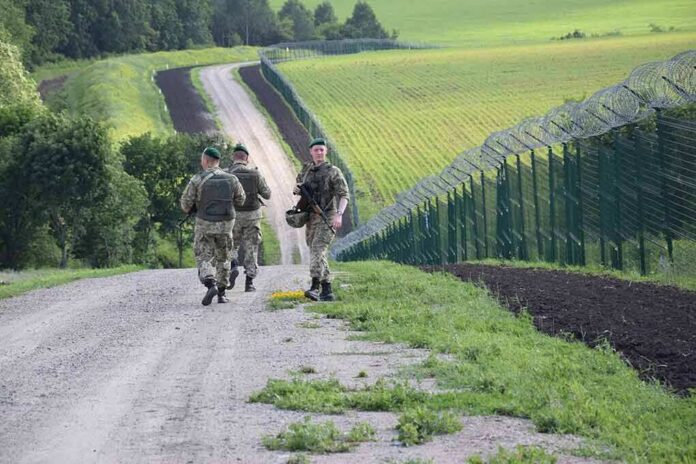
Poland rushed elite forces to its Kaliningrad border after guards spotted suspicious night movement and said they stopped a possible provocation.
Story Snapshot
- Prime Minister Donald Tusk said a possible border provocation was prevented after a midnight alert.
- Border guards reported unusual movement and people with flashlights near the Russian frontier.
- Police, counterterrorism units, and GROM special forces were mobilized within hours.
- Weeks of warnings about sabotage and armed incursions drove Poland’s rapid response.
What Poland Says Happened Overnight
Prime Minister Donald Tusk said he was alerted shortly after midnight to suspicious activity near Poland’s border with Russia’s Kaliningrad region. He said security forces moved fast and prevented any attempted acts of provocation, if that was the intent. His remark matched reports that guards observed unusual movement. Tusk stressed that authorities acted to stop trouble before it started, while acknowledging intent may never be fully confirmed under public standards.
Multiple outlets reported similar details, pointing to a narrow window and a measured public claim. ABC News cited people with flashlights in the border zone and said Polish guards moved to prevent an incident. Bloomberg also described unusual movement and a rapid response. The accounts focused on what was seen and how Poland reacted. They did not report arrests, identified suspects, or proof that anyone crossed the border that night.
Forces Deployed And How The Response Worked
CBS News reported that Poland surged police, counterterrorism teams, and the GROM special forces unit to the area. A special command center stood up at national police headquarters to coordinate the operation. That setup shows officials treated the alert as credible and time-sensitive. It also suggests Poland aimed to deter any follow-on moves near the border. Authorities presented the mobilization as part of a broader security posture, not a one-off stunt.
Officials linked the alert to weeks of intelligence signals about possible sabotage or armed incursions. Tusk referenced warnings of “acts of diversion or more serious provocation,” including the risk of armed individuals entering Polish territory. CBS News also cited briefings that flagged the first half of November as a period of higher risk along the Kaliningrad line. Those warnings explain why units were pre-positioned and able to move quickly when the call came.
Why This Matters Beyond One Night
This episode fits a gray-zone pattern in Europe since the war in Ukraine began. Governments have faced low-level hazards that blur the line between crime, sabotage, and state pressure. Poland’s message was clear: treat strange activity near a strategic border as a real problem and move fast. That stance aims to protect a North Atlantic Treaty Organization (NATO) frontier and to keep small incidents from spiraling into bigger crises.
Prime Minister Donald Tusk says Poland prevented a possible provocation on the border with Russia’s Kaliningrad exclave after spotting ‘people with flashlights’ https://t.co/K4ref3JCuN
— giovanni dall'olio 🇮🇹🇪🇺🇺🇦 🇬🇪🇮🇱🇹🇼🇺🇸 (@giovannidalloli) November 3, 2026
The public record remains focused on observations, not attribution. Reports did not name suspects or present evidence tying the event to Russian state actors. That gap is common in fast-moving border alerts, where revealing proof can risk sources and methods. The practical takeaway is simpler: clear eyes on the fence line, rapid command decisions, and layered forces ready to show up. That is how countries try to keep a tense region from tipping into chaos.
Sources:
insiderpaper.com, ansa.it, washingtonpost.com, independent.co.uk, nampa.org