
DHS rejected a federal watchdog’s push for automatic ICE body-camera activation, citing privacy and operational risks even as auditors warn missed footage erodes public trust.
Story Highlights
- DHS said automatic triggers risk recording informants, victims, and protected protests.
- GAO recommended automated activation to curb missed footage and improve oversight.
- ICE policy requires manual activation with a 30-second pre-event buffer.
- Watchdogs say weak guidance and manual control leave documentation gaps.
What DHS Decided and Why It Matters
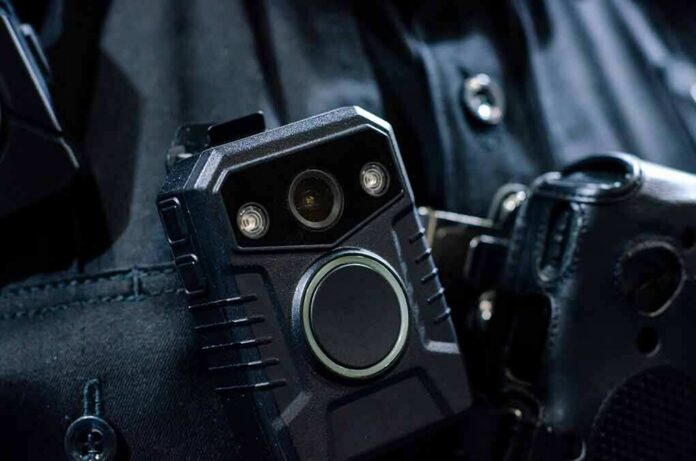
The Department of Homeland Security (DHS) declined a Government Accountability Office (GAO) recommendation to add automatic activation to Immigration and Customs Enforcement (ICE) body cameras. DHS said auto-triggers could record sensitive talks with informants or victims and capture people engaged in protected First Amendment activities. The department also warned of false activations during routine movement. DHS concluded these privacy, evidentiary, and operational risks outweigh the benefits of automation.
GAO reached a different conclusion. The watchdog said manual activation can be hard in fast, tense moments and creates risks of missing key footage. GAO argued that automated activation could improve compliance, incident reviews, and public confidence. The office also noted that ICE’s camera vendor offers auto-activation features, which DHS still declined to adopt across the program.
ICE’s Current Rules and the Gaps Auditors Flagged
ICE Directive 19010.3 requires officers to turn on cameras at the start of enforcement or as soon as safely possible. The policy includes a 30-second pre-event buffer so some moments before activation are captured. These rules aim to support evidence collection and accountability during operations. The directive sets a manual-activation standard rather than automatic triggers for most encounters under normal field conditions.
GAO reported that many ICE offices lack specific, local guidance that tells personnel exactly when to record and when not to record. That gap pushes more choices onto individual officers in the field. GAO said this reliance on discretion, without reliable controls, leads to documentation and video evidence gaps that make incident reviews harder. The watchdog said automated activation could reduce those gaps.
Competing Risks: Privacy Protections Versus Missed Footage
DHS centered its objection on privacy and operational harm. Officials warned that automatic triggers could expose sources, victims, or bystanders at protests. They also cited the chance of false recordings during routine movement, which could inject sensitive, irrelevant material into case files. DHS framed these risks as greater than the gains from any technology that turns cameras on without an officer’s deliberate choice.
GAO highlighted the other side of the ledger. The office said missed or late recordings weaken public trust and complicate use-of-force reviews. GAO found officers reported trouble activating cameras in key moments, which automation could address. The office stressed that reliable activation is a backbone of any body-camera program that seeks accountability and clear evidence in fast-moving encounters.
What This Tells Us About Government Performance
This clash shows a larger problem that many Americans see across government: rules that sound good on paper often fail in practice. ICE has a policy with a pre-event buffer, yet auditors still found gaps tied to manual control and uneven guidance. That gap feeds a common fear on both the right and left that agencies protect themselves first and fix problems later, after trust has already taken a hit.
NEW: A federal watchdog says gaps in ICE and CBP’s body-camera programs increase the risk that encounters required to be recorded could go unrecorded.
The GAO report, publicly released today, finds:
• Most CBP and ICE offices lack specific operational guidance explaining when…
— Ali Bradley (@AliBradleyTV) October 14, 2026
The next test is execution. ICE leaders say the body-camera rollout is finishing, but rollout alone will not answer GAO’s concerns. Clearer local rules, tighter audits, and narrow exceptions for sensitive moments could balance privacy with accountability. DHS chose not to adopt automatic activation now. The question is whether the department can deliver consistent, timely recordings—and fair privacy guardrails—without it.
Sources:
washingtontimes.com, news.bloomberglaw.com, washingtonpost.com, ice.gov