
Cuba’s foreign minister publicly accused Secretary of State Marco Rubio of pressuring world leaders to sway a United Nations vote on the U.S. embargo, and a State Department account confirms Rubio called at least one president days before the ballot.
Story Highlights
- Cuba says Marco Rubio pushed leaders to alter votes on the United Nations embargo resolution.
- The State Department confirmed Rubio phoned El Salvador’s Nayib Bukele on October 13 about United Nations priorities.
- The vote follows a long pattern: the United Nations has urged ending the embargo almost every year since 1992.
- The United States opposed the 2025 resolution, which passed 165–7 with 12 abstentions.
Cuba’s Allegation and a Confirmed Call
Cuban Foreign Minister Bruno Rodríguez said on October 14 that Secretary of State Marco Rubio was “pressuring and blackmailing” heads of state to change their votes on the coming United Nations resolution about the U.S. embargo. He posted the charge on the platform X and named the target of the effort. Reports soon linked the claim to a confirmed call between Rubio and Salvadoran President Nayib Bukele on October 13, ahead of the late October vote.
The State Department’s description of that call said Rubio urged Bukele to join the United States and like-minded partners on shared priorities at the United Nations. That phrasing frames the outreach as normal diplomacy. The available reports did not publish a transcript of the call. They did not show a specific threat or a change in El Salvador’s position tied to a promise or penalty. The record so far confirms contact, timing, and topic focus.
What the United Nations Has Voted and Why It Matters
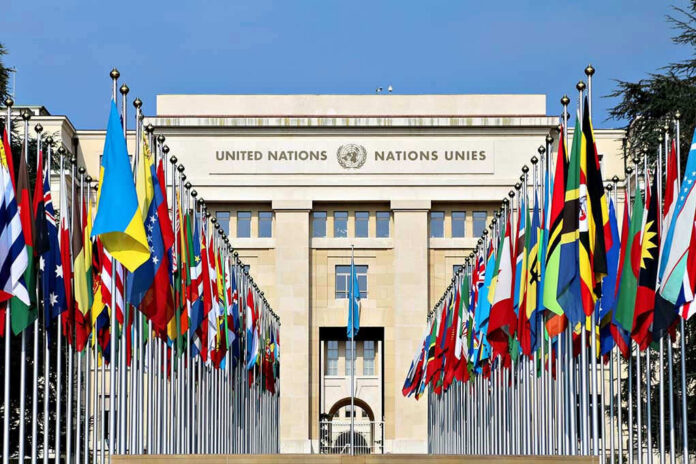
The United Nations General Assembly has voted for decades to call for an end to the U.S. embargo on Cuba. In 2025, member states adopted the resolution by 165 votes in favor, 7 against, and 12 abstentions. The United States opposed it and urged others to vote no or abstain. These votes are nonbinding, but they carry political weight and shape how governments describe and defend their policies to the world.
The long voting history explains why any outreach before the ballot draws attention. The resolution usually wins by a very wide margin, so Washington has reason to keep that margin from growing. Cuba, for its part, wants to show that outside pressure skews the process and harms its people. Each side uses the same facts—the calls, the timing, the public stands—to support a story about either fair advocacy or coercion.
How This Fits U.S.–Cuba Politics and Today’s Washington
President Trump’s administration opposes the Cuban government and backs tough measures. Many conservatives see the embargo as leverage on a regime they view as repressive and aligned with U.S. rivals. Many liberals argue the embargo hurts ordinary Cubans and isolates the United States on the world stage. Despite these divides, large majorities across countries keep voting to end the embargo, while the United States works to hold partners in its column during the debate.
The latest clash highlights a broader concern that both right and left share at home: powerful officials work the phones and shape global outcomes while regular citizens struggle to see clear wins in their own lives. Cuba’s charge uses strong words. The State Department’s account uses careful words. The facts we have show targeted outreach before a high-profile vote and a well-known U.S. stance against the resolution. The facts do not show which leaders, if any, changed course because of pressure.
What to Watch Next
Watch for formal readouts from El Salvador or other named governments. Clear statements could confirm whether Rubio asked for specific votes on the Cuba item or offered consequences or benefits. Track the final roll call and any “explanations of vote” that name U.S. outreach. Those pieces can show whether lobbying landed as routine diplomacy or crossed a line. Until then, the public record supports that outreach happened and that the United States opposed the resolution again.
Sources:
youtube.com, rfi.fr, english.news.cn, fakti.bg