
As airlines struggled to recover from a nationwide ground stop, Homeland Security Secretary Markwayne Mullin flew on a government plane to the LSU–Texas game, drawing bipartisan frustration over judgment and optics.
Story Snapshot
- Aviation halted for hours Friday; recovery snarled travel into Saturday.
- Secretary Mullin used a government aircraft to attend Saturday’s LSU–Texas game.
- Rep. Bennie Thompson called the trip “tone deaf” and flagged contractor-suite optics.
- Mullin says law required the plane and that he reimbursed costs and paid for tickets.
What Happened and Why It Sparked Backlash
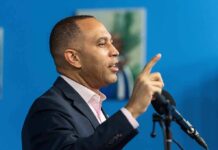
Federal officials ordered a rare, nationwide ground stop on Friday after a telecommunications failure. Airlines then faced a messy reset with delays and cancellations rolling into Saturday. During that recovery, Secretary Markwayne Mullin flew on a government aircraft to attend the LSU–Texas game in Baton Rouge. Rep. Bennie Thompson said the move looked “incredibly tone deaf” as travelers slept on airport floors. His criticism centered on timing and optics during a national travel disruption.
Reports stated Mullin traveled on a government plane. Mullin said he is required to use such aircraft to ensure secure communications and be reachable at all times. The Department of Homeland Security said federal law and security protocols require that arrangement for continuity of government. Mullin also said he would reimburse the government for the personal trip and paid for his tickets. Those defenses focus on legal rules and security needs rather than public optics.
The Optics Question Versus the Rules
Rep. Thompson’s statement also pointed to a private suite linked to a company he said held a $2.2 billion Department of Homeland Security contract. That claim raised concern about access and appearances. Available reporting did not identify the contractor or publish guest or contract records, which limits what can be confirmed about that aspect. The central, documented issue remains the contrast between public travel pain and a senior official’s personal-event flight on a government plane.
Travel rules treat some senior officials as “required-use” travelers. Their security and communications needs can mandate government aircraft even for personal trips. In those cases, reimbursement is based on a full coach fare standard, not the aircraft’s operating cost. That framework can make a trip legal yet still draw public anger over stewardship. This split between compliance and judgment often drives these flashpoints across administrations.
Timing, Safety Messages, and Public Trust
Mullin said the airspace had been open for almost 24 hours when he flew and that he would not have traveled during the active halt. He argued canceling after reopening could cause confusion about flight safety and trust in the system. Critics counter that Americans were still stranded and rebooking when he left, so the trip looked out of touch. Both views accept the ground stop’s cause and recovery but differ on what leadership should signal during that window.
Homeland Security Secretary Markwayne Mullin defended his use of a government plane to attend the LSU-Texas football game after a nationwide ground stop caused flight disruptions, which Rep. Bennie Thompson (D-MS) criticized as “not only irresponsible” but “incredibly tone deaf.”… pic.twitter.com/lqwULiUIba
— CBS News (@CBSNews) November 18, 2026
Nothing in current reports shows Mullin’s flight changed recovery operations or blocked commercial seats. The record ties the chaos to a systems failure, not to priority flights by officials. This limits claims that his trip worsened disruptions. Still, the image of a government jet heading to a football game while families scrambled to get home cuts against the promise that public service puts citizens first. That is why the story hit a nerve across party lines.
Why This Matters Beyond One Trip
Americans on the left and right see a pattern: rules that shield leaders while regular people wait in line. Required-use policies exist for real security reasons. But the public also expects restraint when the country is under stress. Clear records on reimbursement, aircraft use, and any private-suite access would help. Transparency will not please everyone, but it can show whether leaders follow the same basic standards they ask of others during hard moments.
Sources:
cnn.com, independent.co.uk, jsonline.com, nytimes.com, al.com, thehill.com, marketscreener.com, abcnews.com