President Trump declared the US-Iran ceasefire essentially dead, giving it a “1% chance of living” while dismissing Tehran’s latest peace proposal as worthless—exposing yet another foreign policy crisis where American leadership navigates between escalation and capitulation while ordinary citizens wonder who benefits from endless Middle East entanglements.
Story Snapshot
- Trump calls US-Iran ceasefire “on massive life support” with only “1% chance” of survival during Oval Office remarks on May 11, 2026
- President rejects Iran’s counter-proposal as “piece of garbage” for failing to include nuclear concessions demanded by the United States
- Ceasefire technically remains intact but experts warn failure could trigger Israeli strikes, proxy wars, and oil price spikes affecting American consumers
- Stalled negotiations underscore broader government dysfunction as elites in Washington pursue costly foreign commitments while ignoring domestic priorities
Trump’s Blunt Assessment Signals Diplomatic Breakdown
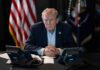
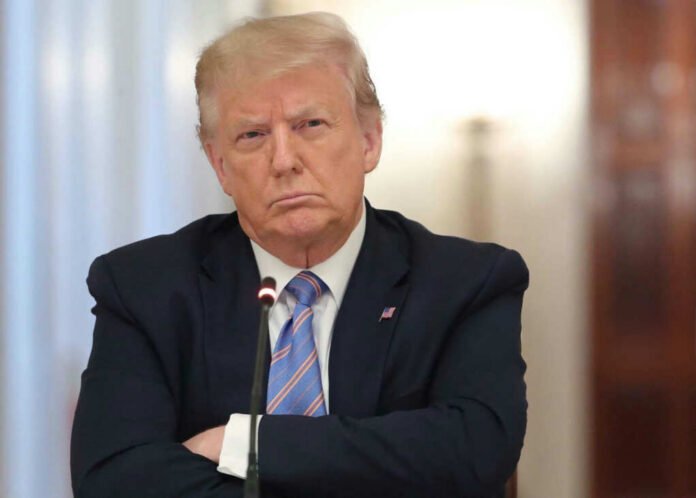
President Donald Trump told reporters in the Oval Office on May 11, 2026, that the fragile ceasefire with Iran stands “on massive life support” with minimal prospects for survival. Speaking alongside Dr. Mehmet Oz during a maternal health event, Trump dismissed Iran’s latest peace proposal as “stupid” and a “piece of garbage,” citing Tehran’s refusal to include meaningful nuclear concessions. The President affirmed the ceasefire technically remains in place but characterized it as “unbelievably weak,” casting serious doubt on diplomatic progress after months of indirect negotiations brokered through Gulf intermediaries in late 2025.
Nuclear Demands at Center of Impasse
The diplomatic stalemate centers on irreconcilable positions over Iran’s nuclear program. Trump’s administration demands full nuclear dismantlement and caps on uranium enrichment, which approached weapons-grade levels near 90% during 2024-2025 escalations. Iran’s leadership under Ayatollah Khamenei seeks sanctions relief without rolling back its nuclear capabilities, viewing such concessions as threats to sovereignty and regional influence. This standoff echoes failed negotiations dating to Trump’s 2018 withdrawal from the JCPOA nuclear deal and subsequent “maximum pressure” sanctions campaigns. The current impasse reveals how career diplomats and bureaucratic deal-makers have been sidelined in favor of hardline positions that satisfy neither American security interests nor provide tangible benefits to citizens bearing economic consequences.
Economic and Security Risks Mount for Americans
The deteriorating diplomatic situation carries direct costs for ordinary Americans already struggling with inflation and energy prices. Oil futures climbed 1.2% immediately following Trump’s remarks, with analysts warning prices could spike to $90 per barrel or higher if the ceasefire collapses entirely. Failed negotiations increase risks of proxy conflicts involving Iranian-backed groups like Hezbollah and the Houthis, potentially drawing American forces into another Middle East military engagement. Iranian civilians face continued economic devastation from sanctions, while Gulf states allied with the United States grapple with heightened security fears. Critics across the political spectrum question whether Washington’s foreign policy establishment serves American interests or perpetuates conflicts benefiting defense contractors and global elites.
Competing Interests Complicate Resolution Path
Multiple stakeholders with conflicting agendas complicate any path forward. Israel and Saudi Arabia pressure Trump to reject any deal perceived as weak, while China’s Xi Jinping—scheduled to meet with Trump imminently—maintains economic lifelines to Iran that undermine American sanctions. Iran’s hardliners gain domestic political strength from confrontation with Washington, just as Trump’s tough rhetoric resonates with his base seeking demonstrations of American strength. Expert analysis splits between hawks demanding zero enrichment, Iran sympathizers blaming American “maximalism,” and centrists warning the diplomatic window is closing. This maze of competing interests exemplifies government dysfunction where powerful players maneuver for advantage while everyday Americans wonder why their tax dollars fund endless Middle East entanglements instead of addressing crumbling infrastructure, border security, and economic opportunity at home.
The ceasefire’s precarious status underscores broader frustrations with a federal government seemingly incapable of delivering results. Whether from the right or left, citizens increasingly recognize that Washington’s foreign policy apparatus operates independently of public accountability, pursuing objectives that benefit connected insiders while imposing costs on working families through higher energy prices and military commitments. Trump’s colorful medical analogy—delivered casually with Dr. Oz present—captures the terminal state of yet another diplomatic initiative, leaving Americans to question whether their government can negotiate effectively or remains trapped in cycles of failure orchestrated by bureaucrats protecting their own positions rather than national interests.
Sources:
Trump says Iran ceasefire ‘on life support’, but diplomacy …
Iran war live: Trump says ceasefire on ‘life support with 1% …
Trump Rejects Iran’s Response To Peace Plan, American …