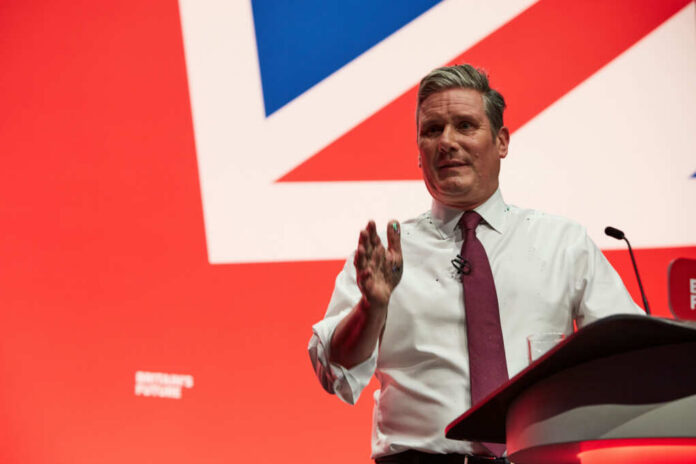
Keir Starmer’s pledge to stop foreign “agitators” from entering the UK ahead of a major populist rally is testing whether “public safety” is becoming a catch-all justification for tightening political speech and border controls at the same time.
Story Snapshot
- UK Prime Minister Keir Starmer said his government would block foreign “far-right agitators” from traveling to Britain ahead of Tommy Robinson’s “Unite the Kingdom” rally in London.
- Authorities framed the move as a security measure, but available reporting does not confirm how many people were actually stopped at the border.
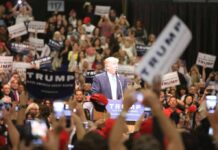
- The rally drew a massive crowd and heavy policing, with arrests and clashes reported alongside a major counter-protest.
- Elon Musk’s remote remarks intensified the controversy and widened it into an international free-speech and sovereignty argument.
Starmer’s border vow puts politics at the airport gate
Keir Starmer’s government publicly committed to preventing foreign supporters from entering the UK ahead of Tommy Robinson’s London demonstration, describing the targets as “far-right agitators.” Reports tied the pledge to operational planning by the Home Office and policing leadership focused on preventing clashes in the capital. What remains unclear from the available coverage is the legal and evidentiary threshold the government is using—and whether the policy is narrowly aimed at violence or broadly aimed at speech.
For Americans watching from 2026, the debate feels familiar: when authorities shift from prosecuting crimes to preemptively restricting movement based on ideology, the line between security and political management gets blurry. Conservatives tend to see this as the state labeling dissent as “extremism,” while many liberals view it as a necessary response to intimidation and disorder. Without transparent criteria and after-the-fact disclosure, both sides are left to assume the worst.
A huge London turnout, heavy policing, and competing narratives
On the day of the “Unite the Kingdom” event, large crowds gathered in central London and a significant police presence was deployed, with reports indicating more than 1,000 officers involved. Arrests and violence were reported as counter-protesters also mobilized. Crowd-size estimates varied across coverage, underscoring how quickly politics overtakes measurement in a tense environment. The public can observe that the state anticipated disorder, but not precisely what intelligence drove that assessment.
Starmer followed by condemning the rally’s tone, describing it as “plastic patriotism” and saying it sent a “shiver” through the country in subsequent remarks. That language matters, because it signals the government is contesting not only conduct but symbolism—who “owns” the national flag, what counts as legitimate patriotism, and which public demonstrations deserve respect. In a polarized climate, rhetoric from the top can either cool tensions or validate a wider crackdown mindset.
Elon Musk’s cameo turns a UK protest into a global flashpoint
Elon Musk’s remote involvement injected global attention into what might otherwise have remained a domestic British dispute over immigration, public order, and protest policing. Coverage described Musk urging dramatic political action, which triggered calls from critics for consequences and deepened the impression that the UK was facing outside influence. That point—foreign influence—was also central to Starmer’s pre-rally border vow, even though the public record in available reporting does not show specific cases of attempted entry being stopped.
Why the “block foreign agitators” approach worries civil-liberties skeptics
Border control is one of the core powers of a sovereign state, and most voters accept that violent actors can be excluded. The political risk is that the category expands from “credible threats” to “unwanted views,” especially when labels like “far-right” are applied broadly. With limited public detail on standards, evidence, and oversight, the policy can read like an attempt to shape acceptable protest rather than simply prevent crime—fueling the sense that elites prefer administrative controls over persuasion.
Keir Starmer vows to block foreign supporters from traveling to UK for Tommy Robinson's populist rallyhttps://t.co/BSJ5Govz4c
— Human Events (@HumanEvents) May 11, 2026
At the same time, the reported arrests and clashes show why officials argue they need strong tools in advance of high-tension events. The conservative takeaway is not that governments should ignore disorder, but that free societies have to insist on clear rules: punish violence, protect peaceful assembly, and keep viewpoint discrimination out of enforcement. The available reporting leaves unanswered questions about where Starmer’s government is placing that line—and whether future “emergency” measures become permanent.
Sources:
Independent: London protests latest
Starmer vows to block ‘far-right agitators’ entering UK for Tommy Robinson rally
WSWS: Britain’s largest far-right protest