A person somehow ended up on a major airport runway long enough for a departing jet to hit them—an alarming security breakdown with real-world consequences.
Story Snapshot
- A Frontier Airlines Airbus A321 aborted takeoff at Denver International Airport after pilots reported striking a person on the runway.
- The pilots also reported an engine fire and smoke inside the cabin; all 231 people onboard evacuated safely.
- The identity, condition, and motive of the pedestrian remained undisclosed as investigators began reviewing how the runway was breached.
- The incident triggered runway closure and delays at one of America’s busiest airports, renewing scrutiny of perimeter security and runway-incursion prevention.
What Happened on the Denver Runway
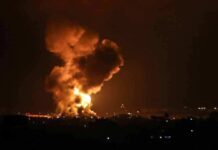
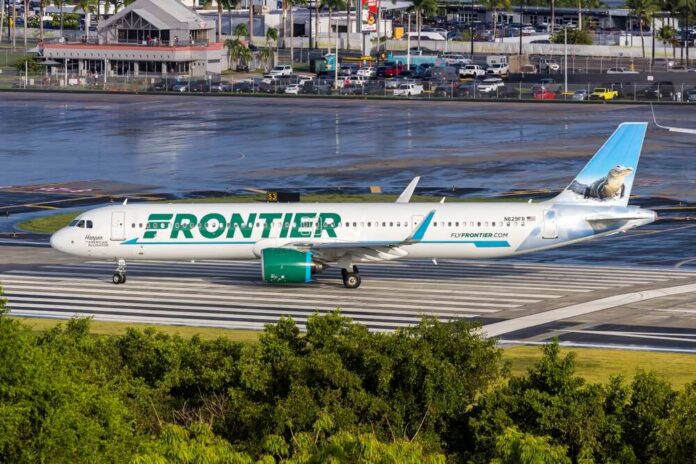
Frontier Airlines Flight 345, an Airbus A321 headed from Denver International Airport to Los Angeles, aborted takeoff in the pre-dawn hours after the cockpit reported an unthinkable hazard: “we just hit somebody.” The crew also reported an engine fire, followed by smoke inside the aircraft. Airport emergency crews responded, and the airline said all 224 passengers and seven crew members evacuated safely as authorities began an investigation.
Denver’s runway closure and investigation underscored how quickly an aviation emergency becomes a broader public-safety event. An aborted takeoff at high speed is among the most demanding moments in airline operations, because crews must stop a fully loaded aircraft within limited runway distance while managing potential brake heat, engine damage, and panic in the cabin. In this case, evacuation slides were used, and officials emphasized that no one onboard was reported seriously hurt.
The Bigger Issue: How Does a Person Reach a Secure Runway?
The most consequential unanswered question is not simply what happened to the airplane, but how a pedestrian reached an active runway at a major U.S. hub. Denver International Airport handles tens of millions of travelers and relies on layered security—fencing, patrols, controlled access points, and surveillance—to prevent exactly this scenario. Runway incursions happen nationwide, but cases involving pedestrians are described in the research as a very small fraction of total incidents.
Investigators typically sort these breaches into a few categories: trespass, accidental entry, or insider access, but the available reporting does not yet establish which applies here. Officials also had not released the pedestrian’s identity or motive at the time of the initial coverage. That uncertainty matters because each possible pathway implies a different fix—better perimeter barriers, stronger access-control auditing, or tighter coordination between airport police and airfield operations during low-visibility overnight periods.
Why This Incident Resonates Beyond Aviation
For many Americans—right and left—this kind of failure hits a nerve because it feels like another example of institutional systems not doing the basics well. Conservatives tend to focus on competence, order, and public safety: if a secure airfield cannot keep unauthorized people off a runway, citizens naturally ask where else “security theater” is substituting for real prevention. Liberals often raise concerns about worker conditions and mental-health crises. The research notes prior U.S. cases where runway intrusions involved suicide or self-harm, but no such conclusion is established here.
Operational and Financial Fallout at a Busy Hub
The immediate impact was disruption. Closing a runway at a high-traffic airport can cascade into delays, missed connections, crew-time issues, and aircraft repositioning problems across the country. The research estimates that taking one runway offline can reduce capacity materially and affect hundreds of daily flights, creating significant costs for airlines and airports in rebooking, inspections, and schedule recovery. Over time, incidents like this often push airports toward new spending on sensors, surveillance, and fencing upgrades.
Frontier Jet Aborts Takeoff as Pilots Report Hitting Person on Denver Runway 🗣️ A runway is already the least forgiving place on earth, and this is why. How does something this critical happen in the first place?… #AviationSafety #Frontier #Jet 🔽 https://t.co/XtPuBT8b2N
— Andrea Box (@andreabox0) May 9, 2026
Public attention was also complicated by a separate, unrelated Denver takeoff abort involving an American Airlines flight later the same day, described in the research as tied to a landing-gear issue and smoke during evacuation. That kind of near-simultaneous headline can muddy public understanding and fuel confusion online. For policymakers and regulators, the practical takeaway remains straightforward: preventing runway incursions—especially by unauthorized people—requires measurable accountability, not just promises that “protocols exist.”
Sources:
Frontier Airlines plane fatally strikes person during takeoff …
Jet hits and kills pedestrian on runway during takeoff