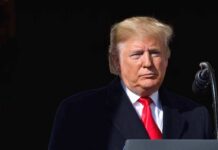


After a gunman cut short April’s White House Correspondents’ Dinner, President Trump returned to a tighter, rescheduled event that put safety front and center while testing trust between government and the press.
Story Snapshot
- Trump attended the rescheduled dinner after law enforcement advised it was safe to proceed.
- Prosecutors said the earlier disruption involved a gunman seeking to assassinate Trump.
- Organizers added strict new security measures and changed access procedures.
- The record lacks primary documents on any related press subpoenas or leak probes.
What Changed: From Chaos To A Controlled “Do-Over”
Event organizers moved the dinner to July 24 after April’s gathering was halted by gunfire near the venue. Prosecutors said the suspect aimed to assassinate President Trump, raising the stakes for any return date. The White House Correspondents’ Association introduced tighter screening and access controls. Reports described “significantly enhanced safety measures,” with a more controlled setup to limit risk and improve response time if needed. These steps signaled a hard shift from routine gala to high-security event planning.
President Trump accepted a fresh invitation and framed his return as resilience, saying the show would go on but only under law enforcement guidance. Coverage quoted him stressing safety protocols and refusing to let violent actors dictate the public schedule. That message aligned with the association’s tone. The group’s leaders presented the dinner as a moment to honor journalism while backing stricter procedures meant to protect guests, staff, and press without scrapping the tradition outright.
Why It Matters: Security, Press Freedom, And Public Trust
Law enforcement-led changes at a media gala reflect a country on edge after rising threats to public officials and institutions. Many Americans see elites protecting themselves while everyday people face crime, high costs, and broken systems. Here, the security case was concrete: a shooting ended the first event and prompted a full reset. Supporters say that justifies tight controls. Critics worry that emergency mindsets can bleed into heavy-handed moves that chill speech or restrict access over time.
The debate overlaps with a long fight about press-record subpoenas. Governments often say they target narrow leaks, while journalists fear pressure on sources. In this case, the available record centers on the dinner’s security reboot, not leak investigations. The materials do not include Department of Justice subpoenas, court filings, or sworn explanations tying any reporter to a harmful leak. That gap makes it impossible to judge scope, legal basis, or necessity from the supplied evidence alone.
What We Know For Sure — And What We Don’t
We know the April dinner ended after gunfire, prosecutors alleged an assassination attempt, and the rescheduled event featured major security upgrades. We know President Trump returned and spoke about moving forward under law enforcement advice, echoing a “show must go on” theme while centering safety. We also know the association publicly balanced unity language with new restrictions designed to protect the room, which included the president, cabinet officials, and hundreds of reporters.
US President Donald Trump returned to the rescheduled White House Correspondents’ Association dinner on Friday, July 24, after the original event was abruptly halted in April following an active shooter situation.
Here is what happened at the event https://t.co/cagCfNo3tL pic.twitter.com/0kV7turBxD
— Al Jazeera English (@AJEnglish) July 25, 2026
We do not have primary legal documents for any related leak probe, including subpoenas, motions to quash, or court rulings. Without those, we cannot confirm who was targeted, what records were sought, or whether any requests were narrowly tailored. That lack of clarity fuels distrust. People on the right fear deep-state secrecy; people on the left fear anti-press tactics. Until documents surface, the verified story is a high-risk event reset around security, not a tested case on reporter records.
The Bigger Picture: Don’t Let Spectacle Replace Scrutiny
Public spectacles can drown nuance. A dramatic evacuation, a triumphant return, and sharp podium lines all grab attention. But they can also blur lines between physical protection and broader policies that touch speech and accountability. The path forward is simple and hard: demand records, not spin. If there are press subpoenas tied to this period, the country needs the Department of Justice paperwork, inspector general reviews, and any court tests. Sunlight builds trust; secrecy deepens the divide.
Sources:
nytimes.com, youtube.com, wbaltv.com, apnews.com