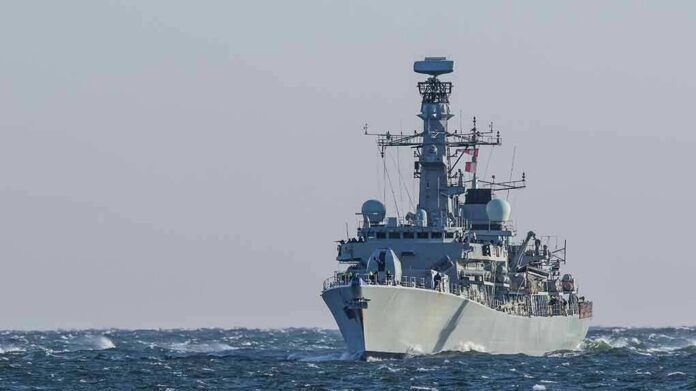
Ukraine’s confirmed strikes on Iran-linked cargo vessels and a Russian warship in the Caspian Sea show how a regional war keeps spilling across borders while global leaders look the other way.
Story Snapshot
- Ukraine says it hit a Russian warship and vessels moving Iran-linked military cargo in the Caspian Sea.
- Iran claims one of its “commercial” ships was struck, killing a sailor and sparking a diplomatic clash.
- The Caspian Sea, once a closed trade route, is now another battlefield tied to the Russia–Iran partnership.
- The incident highlights how complex wars grow while ordinary people see elites protect their own power first.
Ukraine Expands War To The Caspian Sea
Ukrainian President Volodymyr Zelensky said Ukrainian forces carried out long‑range strikes in the Caspian Sea, hitting a Russian warship and vessels used for military cargo shipments involving Iran. In his post on the social platform X, he described the operation as achieving “very strong results” against targets that support Russia’s war effort. These strikes were part of a wider campaign that also hit Russian industrial and fuel sites, showing Ukraine can reach far beyond the front lines.
Ukraine’s security service said an Iranian vessel moving military cargo between Iran and Russia was among the targets. The ship was allegedly part of a supply route carrying weapons and equipment to help Russia and Iran. By confirming that it struck vessels tied to Iran-linked cargo, Kyiv signaled that it now treats the Caspian Sea as a battlefield tied to the same network feeding Russia’s war in Ukraine and Iran’s actions in the Middle East.
Iran Calls Strike An Illegal Attack On Commerce
Iran’s Foreign Ministry accused Ukraine of attacking an Iranian commercial vessel in the Caspian Sea, leading to an explosion that killed one sailor and injured another. Tehran condemned the strike as an act of aggression and a violation of international law, and it summoned Ukraine’s diplomat to protest. Iranian officials insist the ship was a civilian trader, not a military carrier, and they are urging other countries and international bodies to hold Ukraine responsible.
Iranian media and officials say the attack shows Ukraine is dragging itself into a wider conflict linked to Iran, Israel, and the United States. They warn that “all of Kyiv is within reach” of Iranian missiles and hint at possible retaliation. At the same time, Ukraine has accused Russia of sharing satellite data with Iran to help direct strikes in the Middle East, claiming Moscow and Tehran are working together across several regions, including the Caspian. These dueling claims highlight how hard it is for outsiders to know what was really in the ship’s hold.
Caspian Sea Becomes A New Military Front
The Caspian Sea has long been a key trade and energy route for Russia, Iran, and their neighbors, not a place most people thought of as a war zone. Now Ukraine says it is striking sea targets that help move military cargo between Russia and Iran, pushing the Russia–Ukraine war into an inland sea far from Europe’s main map. This follows earlier reported Ukrainian hits on Russian ships tied to Iran arms routes, suggesting a pattern of targeting logistics, not just tanks and troops.
Analysts say modern wars often blur the line between civilian commerce and military supply chains, especially on the water. Governments claim their ships are harmless traders, while enemies call them “military-linked” targets that support hostile regimes. When missiles or drones hit these vessels, the cargo is often destroyed, and key evidence disappears. That leaves regular people hearing two stories: one about “defending security,” and another about “criminal attacks” on trade, with almost no way to verify which is true.
What This Means For Americans And Global Power Politics
President Zelensky’s message ties Russia’s support for Iran to a wider web of conflicts that also involve the Middle East, Israel, and the United States, even if Washington is not directing these strikes. Ukraine sees the Caspian route as part of a system that lets Russia keep fighting while Iran tests weapons and influence across the region. As long as that network stays intact, long wars grind on, and leaders in Moscow, Tehran, and Kyiv argue over who is the real aggressor while sailors and civilians pay the price.
🇮🇷⚔️🇺🇦 Iran's Foreign Minister Abbas Araghchi said Sunday that a Ukrainian strike on an Iranian ship in the Caspian Sea "cannot go unanswered," warning of retaliation.
The trigger: on Saturday, President Zelensky said Ukraine had carried out long-range strikes in the Caspian Sea… pic.twitter.com/L6b9k9nKLV
— 🔥🗞The Informant (@theinformant_x) July 26, 2026
For many Americans, this episode reinforces a familiar worry: powerful countries can extend wars into new regions, yet the same global elites seldom fix rising costs, border chaos, or threats at home. The Caspian strikes show how fast conflicts can cross borders and how little say ordinary citizens have once missiles start flying. People on the right and the left may disagree on Ukraine or Iran, but many agree that a distant, unaccountable security class keeps making choices that put regular lives and livelihoods at risk.
Sources:
redstate.com, reuters.com, youtube.com, nypost.com, kyivindependent.com, jpost.com, euronews.com, biz.chosun.com, ynetnews.com