Thousands of sailors remain stranded in the Persian Gulf after three weeks without adequate food, water, or fuel as escalating U.S.-Iran tensions transform a critical shipping corridor into a humanitarian disaster zone that exposes alarming vulnerabilities in America’s military logistics and threatens global energy supplies.
Story Snapshot
- Approximately 20,000 merchant mariners on 3,200 vessels trapped in Persian Gulf with dwindling supplies after ports refuse docking to avoid becoming attack targets
- U.S. Navy denies shortages aboard warships despite viral images showing meager meals and families reporting rationing, handing Iran a propaganda victory
- Chemical tanker attacked 11 nautical miles off Khor Fakkan as bunker fuel costs double and mail service suspended to 27 military ZIP codes
- Crisis threatens 20% of global oil supply as tankers remain bottled up in strait, raising specter of energy crisis if standoff continues
Merchant Fleet Faces Acute Humanitarian Crisis
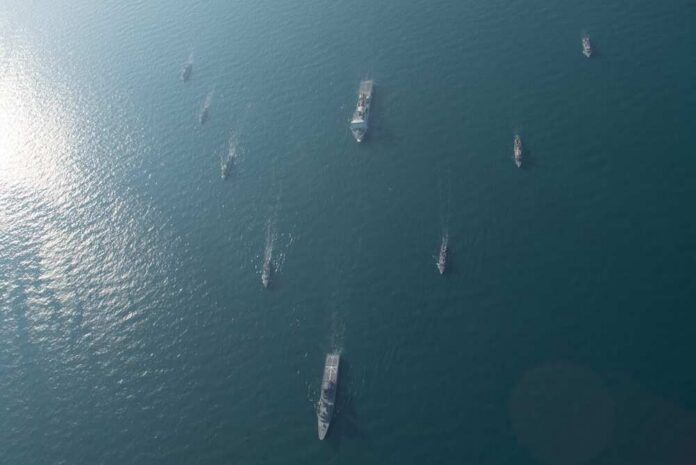
Approximately 3,200 commercial vessels carrying roughly 20,000 crew members remain stranded in the Persian Gulf and Strait of Hormuz after regional ports refused docking access for three consecutive weeks. The Joint Maritime Information Centre elevated the region to critical alert status as merchant mariners report severe rationing of food and water aboard ships unable to replenish stores. Anonymous crew members describe the situation as deteriorating into disaster, with typical vessels carrying 20 to 30 personnel now facing exhausted provisions. Ports including Khor Fakkan and Fujairah deny entry to avoid becoming targets amid escalating military tensions, leaving civilian mariners as collateral victims with no viable escape route.
Navy Denies Shortages Amid Contradictory Evidence
The U.S. Navy Chief of Naval Operations publicly dismissed claims of food shortages aboard deployed warships including USS Abraham Lincoln and USS Tripoli, stating sailors receive balanced meals and characterizing viral images as misleading portrayals. However, photographs circulating through Iranian-linked propaganda accounts show sparse servings of boiled vegetables and dry meat patties that contradict official statements. Families of deployed personnel report receiving messages about rationing conditions and have sent care packages now delayed indefinitely after the U.S. Postal Service suspended mail delivery to 27 military ZIP codes due to closed airspace over the conflict zone. This disconnect between Pentagon assurances and ground-level reports undermines credibility precisely when adversaries exploit perceived weaknesses to erode confidence in American military readiness.
Energy Security Threatened by Trapped Tankers
The Strait of Hormuz, a chokepoint responsible for transporting 20% of global oil supplies, now functions as a maritime parking lot with hundreds of oil-laden tankers unable to exit the Persian Gulf. Lloyd’s List maritime intelligence confirms Iran has begun a selective process allowing some ship entries and exits, but the pace remains insufficient to clear the backlog accumulated during three weeks of near-total paralysis. Bunker fuel costs have doubled as vessels burn through reserves while idling, compounding financial losses for shipowners already facing skyrocketing insurance premiums for war-zone operations. Experts warn that prolonged stranding risks triggering a self-fulfilling energy crisis if military escalation continues, particularly if strikes against Iranian facilities occur while Western economies remain dependent on Tehran’s willingness to release trapped petroleum cargo.
Attack Escalation Deepens Shipping Paralysis
Two separate attacks struck vessels within a 24-hour period, including a chemical tanker hit by projectiles 11 nautical miles off Khor Fakkan that resulted in fire damage. The International Maritime Organization proposed voluntary, non-military evacuation corridors for stranded ships, but coordination remains complicated by Iranian control over regional access and insufficient port infrastructure to process thousands of vessels simultaneously. Maritime analysts emphasize that civilian crews face dangers beyond U.S. Navy personnel, with merchant mariners lacking military protection while caught between geopolitical adversaries. The crisis exposes how renewed Middle East conflicts inevitably strangle global commerce through critical waterways, repeating patterns seen during 2019 tanker war incidents that followed escalating U.S.-Iran hostilities after the Soleimani strike.
Pentagon Budget Scrutiny Intensifies Amid Crisis
The stranding of naval forces amid supply questions arrives as the Pentagon’s trillion-dollar budget faces renewed scrutiny from Americans frustrated by perceived government failures to address fundamental problems. The optics of hungry sailors—whether accurate or propaganda-fueled—undermine the image of American military superiority that justifies massive defense expenditures. Iranian state media successfully weaponizes these narratives to suggest U.S. forces cannot maintain basic logistics during extended deployments, a messaging victory that costs Tehran nothing while potentially affecting American military recruitment and morale. This situation reflects broader concerns shared across the political spectrum that government institutions, including military leadership, prioritize bureaucratic self-preservation over solving real challenges facing service members and their families who bear the human cost of strategic miscalculations.
Sources:
Drones, missiles and uncertainty trap 20000 sailors in Gulf …
1500 Ships And 20000 Seafarers Trapped In Gulf Due To …