Florida’s record-breaking execution pace now targets military veterans, igniting fierce debate over constitutional rights, mental health, and clemency as Gov. DeSantis faces mounting pressure from advocacy groups.
Story Snapshot
- Florida is set to execute its 10th inmate of 2025 on August 19, marking the fastest execution rate in modern state history.
- Veterans’ groups have urged Governor Ron DeSantis to halt the executions of military veterans, citing mental health and legal representation concerns.
- Four veterans have been executed in Florida this year, raising issues about Eighth Amendment protections and clemency practices.
- Florida’s execution policies now account for approximately one-third of all U.S. executions in 2025.
Florida’s Execution Acceleration and Its Impact on Veterans
Florida has executed nine people so far in 2025, outpacing all previous annual records since the state resumed capital punishment post-1976. The next scheduled execution for Kayle Barrington Bates on August 19 will be the 10th this year, with another set for August 28, signaling continued acceleration. This rapid pace, driven by gubernatorial death warrants and limited late-stage court intervention, has placed Florida at the center of national attention, accounting for approximately one-third of all U.S. executions year-to-date. The acceleration has intensified scrutiny of how Florida handles death row cases, especially those involving military veterans.
Veterans’ advocacy groups have become increasingly vocal as more military veterans face execution in Florida. At least four veterans, including Jeffrey Hutchinson, have been executed in 2025, with advocacy organizations urging Governor Ron DeSantis to intervene. Their campaign highlights specific concerns: failures to properly present evidence of service-related trauma such as PTSD, inadequate legal representation, and a lack of transparency in the clemency process. These groups argue that veterans’ unique backgrounds raise constitutional questions under the Eighth Amendment, emphasizing the need for specialized review and mitigation in capital cases involving former service members.
Legal Representation, Due Process, and Jury Issues
The Death Penalty Information Center (DPIC) and legal analysts point to troubling patterns of secrecy and missed legal deadlines in several 2025 cases. Anthony Wainwright, executed on June 10, reportedly lost his opportunity for federal court review due to a missed habeas filing deadline, a situation that exemplifies the procedural barriers that can short-circuit constitutional claims. Additionally, recent court decisions have limited the retroactive application of Florida’s new law requiring unanimous jury recommendations for death sentences. For instance, Edward Zakrzewski was executed on July 31 based on a 7-5 jury vote from the 1990s, sparking controversy over fairness and consistency in sentencing.
These procedural and representation issues have drawn condemnation from civil rights and veterans’ groups, who argue that the accelerated pace and lack of judicial safeguards undermine the integrity of Florida’s capital punishment system. The use of outdated jury recommendations and constrained legal resources, especially for vulnerable populations like veterans, fuel calls for moratoria or policy reforms to ensure greater fairness and transparency.
Group Implores DeSantis to Stop Veteran Executions https://t.co/tAlj3ZBjwn
— ConservativeLibrarian (@ConserLibrarian) August 12, 2025
Stakeholder Roles and Political Dynamics
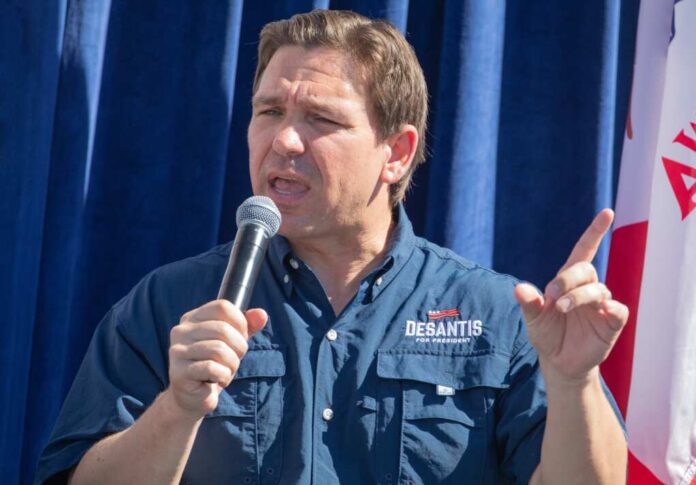
Governor Ron DeSantis holds decisive power over execution scheduling, with the authority to grant reprieves or clemency. His administration’s law-and-order approach has prioritized the enforcement of capital sentences, despite rising public and legal scrutiny. The Florida Department of Corrections manages the protocols for lethal injection, while courts provide limited late-stage review, often denying emergency appeals. Advocacy groups, including veterans’ organizations and the DPIC, exert public pressure but lack formal decision-making authority, relying on media and public mobilization to influence outcomes.
Supporters of the current execution policies argue for the finality of judgments and the need to deliver justice for heinous crimes. In contrast, opponents focus on the failures in mitigation, representation, and due process, especially for veterans and those affected by mental health issues. The contentious interplay between executive authority, judicial review, and public advocacy continues to shape the policy landscape as Florida approaches its next scheduled executions.
Short- and Long-Term Implications
The immediate impact of Florida’s record execution pace is heightened scrutiny from legal experts, advocacy groups, and the national media. Calls for a moratorium or veteran-specific clemency reviews have intensified, with potential for emergency litigation as the August 19 execution approaches. The broader implications extend to legislative debates over statutory protections for veterans, reforms to ensure adequate legal representation, and potential changes to transparency standards in capital cases. The political ramifications for Governor DeSantis and state leadership are significant, as the administration balances tough-on-crime messaging with mounting concerns about fairness and constitutional rights.
Sources:
UPI report on July 31 execution and Florida’s record ninth execution in 2025
AP-sourced WEAR-TV report on warrants and 2025 execution cadence
WSWS case report on Zakrzewski with jury-vote details and national share