

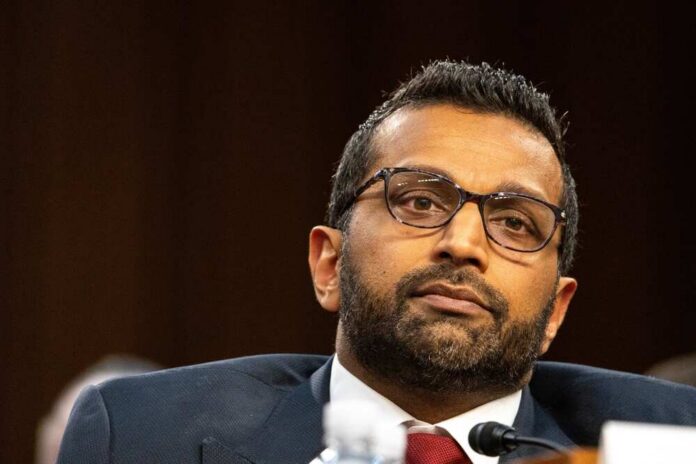
The FBI director’s promised lawsuit against a major magazine is turning a swirl of anonymous allegations into a high-stakes test of media accountability and public trust.
Quick Take
- FBI Director Kash Patel says he will sue The Atlantic over a report alleging heavy drinking, erratic behavior, and unexplained absences.
- The Atlantic stands by its reporting, which it says was vetted and sourced to more than two dozen current and former officials, many anonymous.
- Patel’s attorney says the outlet received notice that key claims were false and criticized the short window given for a response before publication.
- The dispute lands amid broader bipartisan skepticism that powerful institutions—government and media—operate without meaningful accountability.
What Patel is accusing The Atlantic of publishing
The Atlantic published a story describing what it portrayed as instability inside the FBI’s top office, including allegations of excessive drinking, erratic conduct, paranoia about being fired, and periods when Patel was allegedly unreachable for stretches of time. The report described episodes such as a “freak-out” over a tech issue interpreted as a firing signal and claims that security used breaching tools after he could not be reached behind locked doors.
The article’s most consequential feature is not a single claim, but its sourcing structure: it reportedly relied on more than two dozen anonymous current and former officials, including multiple sources for particular incidents. Anonymous sourcing can protect whistleblowers, but it also limits the public’s ability to judge motives, political agendas, or personal grievances. That tradeoff is central to why this dispute is resonating far beyond one personnel controversy.
The response: a lawsuit threat, a preservation letter, and dueling narratives
Patel and his allies moved quickly after publication. Patel posted publicly that he would sue, and he later told Fox News that the lawsuit would be filed on Monday, April 20. He denied the allegations and framed the story as an attempt to smear him, using language that echoes long-running conservative criticism of legacy media. His attorney, Jesse Binnall, also sent a pre-publication letter disputing numerous claims and urging preservation of documents.
The Atlantic has not backed down. Reporter Sarah Fitzpatrick and editor-in-chief Jeffrey Goldberg said they stand by the story and indicated confidence in their reporting process. The magazine’s position matters because defamation cases involving public officials hinge on whether a plaintiff can prove “actual malice,” a demanding standard requiring proof that the outlet knowingly published false information or acted with reckless disregard for the truth. Patel argues the case is straightforward; the magazine signals it expects to defend.
Why the anonymity fight matters in a polarized Washington
This confrontation is unfolding in President Trump’s second term, with Republicans controlling Congress and Democrats using every available lever to slow or block the administration’s agenda. That environment heightens incentives for leaks, counter-leaks, and anonymous briefings aimed at shaping narratives rather than informing citizens. When a story depends heavily on unnamed sources, critics inevitably ask whether the public is seeing verified facts or factional warfare carried out through the press.
At the same time, supporters of aggressive investigative reporting argue that anonymity is sometimes the only way insiders will speak about sensitive security agencies. The problem for everyday Americans—right, left, and especially those exhausted by institutional failure—is that neither side offers an easy trust anchor. The government’s credibility has been battered by years of missteps, while the media’s credibility has been strained by ideological framing and high-profile errors across the industry.
What comes next: legal thresholds and practical consequences
As of the latest public statements in the reporting provided, no court filing had been confirmed. If Patel does file, early battles could include demands for retractions, disputes about what was said and when, and fights over whether journalists must reveal sources. Discovery, if it proceeds, can be punishingly expensive and politically explosive, potentially pulling FBI personnel and newsroom decision-making into sworn testimony and document production.
FBI Director Kash Patel Says He Will Sue The Atlantic Over Latest Hit Piece (VIDEO) https://t.co/WeJ39xyJgS #gatewaypundit via @gatewaypundit
— Thomas Register (@Gregister) April 20, 2026
For conservatives, the significance is straightforward: if the allegations are false and were published despite warnings, it would reinforce the belief that powerful outlets face too little consequence for damaging claims. For liberals, the stakes cut the other way: if the reporting is accurate, it underscores concerns about competence and stability at an agency central to national security. Either way, Americans are left with a familiar conclusion—institutions demand trust, but too rarely earn it transparently.
Sources:
Kash Patel doubles down on lawsuit against Atlantic, slams outlet as ‘fake news mafia’
What to know about allegations of drinking by F.B.I. Director Kash Patel
What to know about allegations of drinking by F.B.I. Director Kash Patel
Kash Patel: FBI director threatens lawsuit against The Atlantic over ‘drinking’ allegations
FBI director Kash Patel vows to take Atlantic to court over ‘defamatory’ report