President Trump’s U.S. Navy blockade enforces freedom through the Strait of Hormuz, countering Iran’s aggressive closure and protecting global energy security against threats from Tehran.
Story Highlights
- Trump orders naval blockade starting April 13 after failed ceasefire talks, targeting only Iranian ports while allowing non-Iranian transit.
- U.S. forces turn back 6-10 Iranian-linked tankers; no vessels evade after initial phase, per CENTCOM reports.
- Strait handles 20% of world oil; Iran’s actions spike prices above $100/barrel, hurting American families and economy.
- Fragile two-week ceasefire holds as blockade pressures Iran to fully reopen vital waterway.
Trump Launches Blockade After Iran Closes Strait
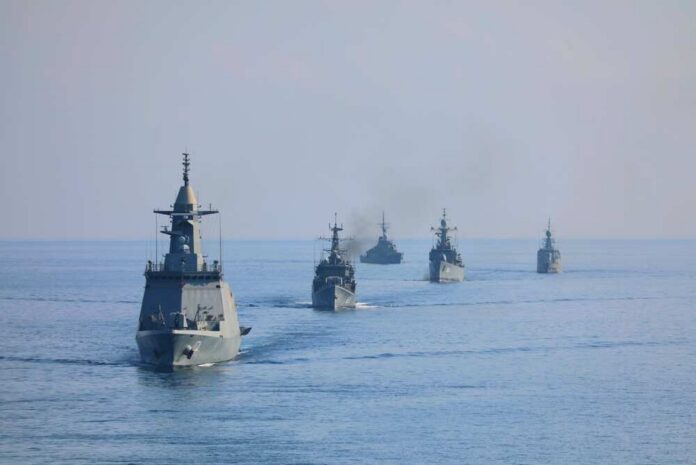
President Donald Trump announced the U.S. Navy blockade of the Strait of Hormuz on Sunday via Fox News, effective April 13. This followed 21-hour ceasefire talks in Pakistan that collapsed without agreement. Iran had restricted the strait since February 28 amid U.S.-Israel strikes, prompting major shipping firms to halt operations. Trump emphasized “all or none” transit to restore navigation freedom. CENTCOM deployed over 10,000 personnel, 12 warships, and aircraft to enforce the measure selectively against Iranian ports and coastline. The action upholds American interests in secure energy flows, rejecting Iran’s weaponization of this global chokepoint.
Initial Successes and Operational Details
On April 14, a U.S. destroyer intercepted two tankers from Iran’s Chabahar port, ordering them to turn back; six vessels complied fully. CENTCOM confirmed zero ships passed the blockade in the first 24 hours, with 19 total turnarounds by April 17. Notices to mariners warned of interception for unauthorized entries into blockaded Iranian areas. Humanitarian exceptions allow food and medical shipments after inspection. Tracking data shows some initial evasions, but U.S. forces adjusted for airtight enforcement. This demonstrates naval superiority and commitment to international law over Iran’s asymmetric threats.
Historical Context and Strategic Stakes
The 21-mile-wide Strait of Hormuz between Iran and Oman carries 20% of global oil and gas. Iran has threatened closures before, including 1980s Tanker War seizures and 2019 incidents, but never fully executed until now. U.S. 5th Fleet in Bahrain maintains long-term presence. Israel’s aligned strikes escalated the February 28 conflict; Iran retaliated with missiles on U.S. bases. The blockade excludes non-Iranian ports, aiming to compel Tehran’s compliance without broader disruption. Both conservatives and liberals see this as elite foreign entanglements draining resources from domestic priorities like border security and inflation control.
Economic Impacts and Expert Views
Tanker diversions immediately raised shipping costs and insurance rates; oil prices surged past $100/barrel, fueling inflation concerns for working Americans. Prolonged action risks wider trade chaos for Asia, Europe, and India. CENTCOM analysts praise impartial enforcement and initial effectiveness. Maritime trackers like Kpler note minor early slips but affirm growing success. Iran vows Gulf and Red Sea blocks in retaliation. Military experts highlight U.S. dominance versus Iran’s cheap drones and proxies. Shared frustrations across political lines grow over endless wars prioritizing globalists over the American Dream of self-reliance.
The Strait of Hormuz Will Be Closed as Soon as the U.S. Navy Leaves – https://t.co/VszWD6TYw7
— Mohammad M. Al-Fadhil (@fadilma1967) April 17, 2026
Current Status Under Fragile Ceasefire
As of April 17, the two-week ceasefire holds with the blockade active. Trump warns it persists until Iran fully reopens the strait and removes mines. Iranian officials confirm passage for commercial vessels on coordinated routes during truce. No U.S. withdrawal plans exist; claims of Iranian closure post-Navy exit lack evidence and reverse facts. This operation reinforces America First by deterring aggressors, yet highlights deep state tendencies to entangle in overseas conflicts amid domestic failures like high energy costs and open borders.
Sources:
US Navy destroyer intercepts two oil tankers trying to leave Hormuz, orders them to turn back
Six ships turned around as part of Strait of Hormuz blockade, US military says
Latest on the Strait of Hormuz blockade as fragile ceasefire holds