
Gulf leaders convened in an emergency summit as Iranian missile attacks devastate energy infrastructure across the region, threatening global oil supplies and forcing nations to consider direct military involvement in the escalating U.S.-Israel-Iran war.
Story Snapshot
- Gulf Cooperation Council held first in-person summit since U.S.-Israel-Iran war began, with all six member states suffering direct Iranian attacks on energy infrastructure and military installations
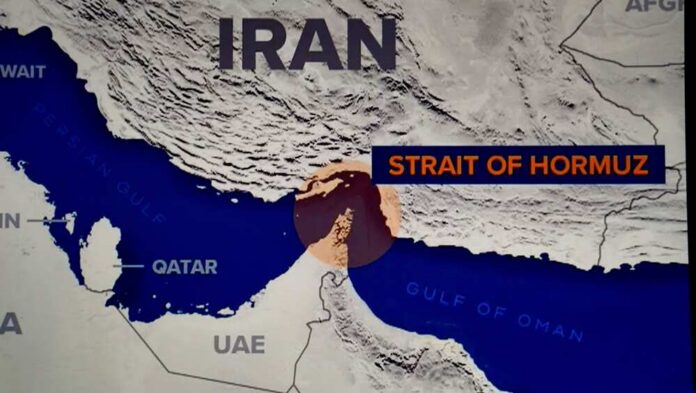
- Iran’s missile and drone strikes have choked off 20 percent of global crude oil and liquefied natural gas traffic through the Strait of Hormuz, raising energy prices worldwide
- Fragile ceasefire between U.S. and Iran remains uncertain as Gulf nations weigh entering the conflict more directly to protect their sovereignty and critical infrastructure
- Internal tensions within GCC revealed as UAE publicly criticizes collective response, highlighting divisions over how aggressively to counter Iranian aggression
Emergency Summit Responds to Unprecedented Iranian Aggression
Gulf Cooperation Council leaders gathered in Jeddah, Saudi Arabia on April 28, 2026, marking their first in-person meeting since the U.S.-Israel war against Iran erupted on February 28. Saudi Crown Prince Mohammed bin Salman chaired the exceptional summit, joined by leaders from Qatar, Kuwait, Bahrain, and the UAE. The urgency stems from thousands of Iranian missiles and drones that have struck all six GCC member states over the past two months. Energy infrastructure, civilian facilities, military installations, and U.S.-linked operations have suffered significant damage, fundamentally threatening these nations’ economic foundations and territorial integrity.
Global Energy Security Hangs in the Balance
The Strait of Hormuz, a critical maritime chokepoint handling roughly 20 percent of the world’s crude oil and liquefied natural gas before the conflict, has seen traffic virtually halted. This disruption carries profound consequences for American consumers already burdened by inflation and energy costs stemming from years of misguided renewable energy policies that weakened domestic production capacity. While a ceasefire between the U.S. and Iran took effect on April 8, attacks have only subsided rather than stopped entirely. The White House is currently reviewing Iran’s latest proposal to end the conflict and reopen the strait, but negotiations remain inconclusive, leaving energy markets in turmoil.
Gulf States Face Impossible Choices
The summit’s primary objective was crafting a coordinated response to Iranian aggression while determining whether Gulf nations should enter the war more directly. According to the Saudi Press Agency, discussions focused on regional security developments and coordination of member states’ efforts. These sovereign nations face an untenable situation: accept continued attacks on their territory, infrastructure, and people, or risk deeper involvement in a regional war. This dilemma reflects a broader failure of international institutions and great power diplomacy to protect smaller nations from aggression. Gulf leaders must balance legitimate self-defense concerns against avoiding escalation that could devastate their economies and populations.
Internal Divisions Threaten Regional Unity
The UAE’s public criticism of the GCC’s collective response reveals significant internal tensions within the council. Member states appear divided over how aggressively to counter Iranian strikes, with some favoring restraint while others demand stronger action. Oman’s representation at the summit remained unclear, suggesting potential diplomatic complications. These divisions weaken the Gulf states’ negotiating position and defensive capabilities at precisely the moment unity is most critical. The summit’s ability to forge consensus will determine whether the GCC can effectively protect member states’ interests or whether individual nations will pursue separate security arrangements, potentially fragmenting regional cooperation built over decades.
The conflict exposes how ordinary citizens across the Gulf region and globally bear the costs of geopolitical failures. Damaged infrastructure, disrupted energy supplies, and economic uncertainty hurt working families struggling with inflation and stagnant wages. Meanwhile, the political class debates responses while populations face real consequences. The summit’s outcomes will reveal whether Gulf leaders prioritize their people’s security and prosperity or political calculations. Americans watching from home recognize this pattern: elites making decisions while average citizens pay the price through higher energy costs, economic instability, and the constant threat of wider war.
Sources:
Gulf leaders meet in Saudi Arabia to discuss war’s fallout, Hormuz crisis
Gulf leaders meet in Saudi Arabia to discuss war fallout
Gulf leaders to meet in Saudi Arabia to discuss response to Iranian strikes
Gulf nations weigh entering Iran war at high-stakes GCC meet in Saudi Arabia
Gulf leaders meet in Saudi Arabia to discuss war’s fallout
Gulf leaders meet in Saudi Arabia to discuss war fallout and Hormuz crisis