President Trump boldly claimed King Charles III agrees even more strongly than he does that Iran must never acquire nuclear weapons, raising questions about royal neutrality in a time of global tension.
Story Highlights
- Trump asserted during a White House state dinner that King Charles backs his hardline stance on denying Iran nukes after a private Oval Office talk.
- Trump declared the U.S. has “militarily overcome” Iran, contrasting this with UK Prime Minister Keir Starmer’s opposition to U.S.-Israeli actions.
- Buckingham Palace responded cautiously, affirming the UK’s anti-proliferation policy without confirming Trump’s attribution.
- The remarks occurred amid King Charles’s U.S. visit, highlighting transatlantic ties but risking the monarch’s apolitical role.
Trump’s State Dinner Remarks
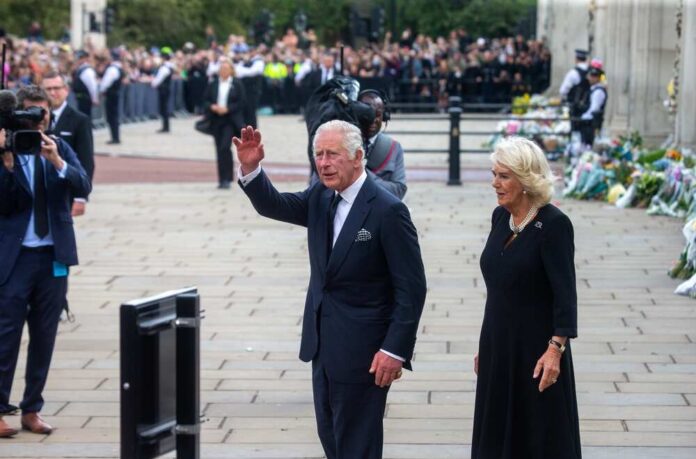
During a White House East Room state dinner on Tuesday evening honoring King Charles III and Queen Camilla, President Donald Trump delivered a toast to approximately 120 guests, including tech leaders and golfer Rory McIlroy. Trump stated his administration had “successfully militarily overcome that specific adversary” in the Middle East. He claimed King Charles, following their private Oval Office meeting earlier that day, agreed with him even more strongly that Iran would never obtain a nuclear weapon. This assertion came amid Trump’s criticism of UK Prime Minister Keir Starmer for opposing U.S.-Israeli actions against Tehran.
Context of the King’s U.S. Visit
King Charles’s four-day visit included a speech to Congress urging UK-U.S. unity, setting the stage for the dinner. Trump highlighted ongoing Middle East efforts as “progressing very well.” The event underscored longstanding alliances rooted in opposition to Iran’s nuclear ambitions, tracing back to the 2015 JCPOA deal Trump abandoned in 2018. Despite Starmer’s public reservations on escalation, UK policy broadly aligns against Iranian nuclear proliferation. Trump’s remarks marked a rare public attribution of foreign policy endorsement to the apolitical monarch.
Buckingham Palace Response
Buckingham Palace issued a measured statement Wednesday, with a spokesperson telling media outlets: “The King is naturally mindful of his Government’s long-standing and well-known position on the prevention of nuclear proliferation.” No direct confirmation or denial of Trump’s private conversation claim emerged. British officials noted alignment between royal remarks and government policy, aiming to insulate Charles from controversy. This diplomatic phrasing avoids endorsing Trump’s hyperbolic phrasing while reinforcing anti-proliferation consensus.
Implications for U.S.-UK Relations
Trump’s comments risk politicizing the monarchy, potentially straining optics in UK-U.S. ties already tested by the Iran rift. Short-term, they elevate the King’s role in U.S. discourse on hardline Iran policy. Long-term, they bolster Trump’s narrative of elite backing amid unverified claims of military success against Tehran. Affected parties include UK royals guarding neutrality, transatlantic diplomats, and Middle East stakeholders. Broader effects touch energy markets and defense sectors amid heightened tensions.
Shared Concerns Over Government Accountability
Americans on both sides of the aisle share growing frustration with elites who prioritize power over people. Trump’s direct style cuts through diplomatic fog, echoing demands for accountability on threats like Iran’s nuclear pursuit. Conservatives applaud America First resolve against globalist hesitations, while many liberals weary of endless foreign entanglements question unverified victory claims. This episode highlights how leaders invoke symbols of tradition to rally support, yet underscores the need for transparency in an era where trust in institutions erodes.
Sources:
King Charles agrees Iran cannot have a nuclear weapon (The Times)
Hosting British king, Trump says Charles agrees Iran cannot have nuclear bomb (Times of Israel)