A late-night punchline about “Fat John Wick” is now colliding with a serious question for Americans: does public mockery weaken U.S. credibility when the White House is trying to deter Iran?
Story Snapshot
- Jimmy Kimmel used his April 7 monologue to ridicule President Trump’s Iran-related social media threat, asking, “Is this supposed to scare them?”
- Kimmel highlighted Trump’s repeated “two weeks” timeline language, framing it as a pattern that invites skepticism.
- The episode reflects a broader cultural fight: entertainment media shaping foreign-policy perceptions for millions of voters.
- Supporters see tough talk as leverage; critics argue inconsistent deadlines undermine deterrence and diplomacy.
Kimmel’s Monologue Turns Iran Messaging Into a Domestic Culture War
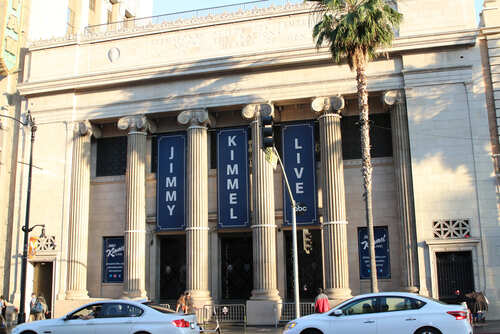
Jimmy Kimmel devoted part of his April 7 episode of Jimmy Kimmel Live to mocking President Donald Trump’s Iran threat post, comparing the president to “cosplaying” as a heavier version of action hero John Wick and questioning whether the message was meant to intimidate Tehran. The segment leaned on visual ridicule and a montage of past moments where Trump used “two weeks” language, turning a high-stakes topic into late-night material for a mass audience.
Kimmel’s approach matters because it’s not just commentary—it’s narrative-setting. When entertainment reduces deterrence messaging to memes, it can shift public expectations about what “serious” presidential communication looks like. Conservatives often argue that legacy media and entertainment institutions operate as an informal opposition party, while many liberals view late-night satire as accountability. Either way, it shows how quickly foreign-policy signals get reprocessed into domestic political theater.
What Trump’s “Two Weeks” Language Signals to Allies and Adversaries
The recurring “two weeks” framing is the core factual critique Kimmel used, and it’s also the substantive vulnerability for any administration trying to project resolve. A deadline that repeatedly slides can teach adversaries to wait out pressure rather than respond to it. At the same time, deadlines can also be bargaining tools—especially in negotiations where backchannels and intermediaries are involved—and the research notes Pakistan’s role in facilitating talks tied to the latest flare-up.
For Americans who are exhausted by Washington’s permanent crisis mode, the deeper issue is competence and clarity. Deterrence depends on an adversary believing consequences are real and near-term. Diplomacy depends on consistent demands and verifiable terms. If the public sees only shifting timelines, it feeds the broader bipartisan frustration that government messaging is designed for optics and reelection cycles rather than measurable outcomes—an “elite” game that leaves ordinary families paying the price when tensions spike.
Iran Context: Old Fault Lines, New Pressure, and a High Cost of Miscalculation
The background to the current standoff runs through familiar landmarks: the U.S. exit from the JCPOA in 2018, the 2020 killing of Qassem Soleimani, and years of proxy conflict and regional escalation. The research describes the current moment as another flare-up with mediation pressures and skepticism abroad. That’s why rhetoric—whether in a presidential post or a comedian’s monologue—has outsized impact: it can harden positions, invite misreads, or push leaders into posturing.
Energy and cost-of-living concerns hover over every Iran confrontation, even when no immediate market shock is reported. Many conservatives blame years of restrictive energy policy and deficit spending for leaving households with little cushion when global risks rise. Many liberals argue economic pain proves the need for more federal support. The common ground is simpler: when U.S. credibility looks shaky, risks grow—and working people tend to feel the consequences first, not the “deep state” class that can hedge, lobby, and profit.
Why the Media Feedback Loop Matters More Than the Joke
The research notes follow-on reactions, including viral commentary and claims that allies joined the ridicule. Even when such reactions are selectively amplified, the feedback loop is real: the White House speaks, entertainment reframes it, social platforms spread the reframing, and foreign audiences can consume the same clips Americans see. That can create pressure for louder rhetoric instead of clearer policy. It can also polarize Americans into camps that treat national-security questions as team sports.
Jimmy Kimmel Mocks Trump for 'Cosplaying as Fat John Wick' in Iran Threat Post: 'Is This Supposed to Scare Them?' https://t.co/JY1alWyMpl
— Mediaite (@Mediaite) April 30, 2026
Based on the limited source set provided, there is no confirmed outcome yet—no reported deal, no confirmed escalation, and no official resolution beyond the ongoing “two weeks” window described in the research. What is clear is that modern deterrence now competes with modern entertainment. If the administration wants its warnings taken seriously, clarity and consistency will matter as much as toughness; if critics want accountability, they’ll need to separate legitimate scrutiny from ridicule that can muddy signals in a dangerous region.