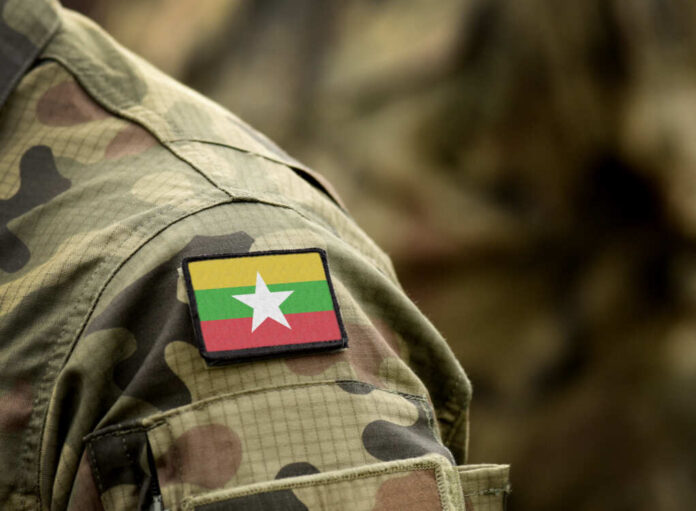
In a stark reminder of military dominance, Myanmar’s recent elections reveal a system designed to reinforce control, not democracy.
Story Overview
- Myanmar’s 2025-26 elections conclude, securing military dominance.
- The Union Solidarity and Development Party (USDP) claims overwhelming victories.
- Elections are seen as a “sham” process amid ongoing conflict.
- The military retains constitutional veto power, marginalizing opposition.
USDP Secures Control in Myanmar Elections
The Union Solidarity and Development Party (USDP), a pro-military organization, has claimed substantial victories in Myanmar’s 2025-26 general elections. This three-phase electoral process, concluding on January 25, 2026, is widely criticized as a maneuver to legitimize military rule rather than promote democracy. The USDP’s dominance reflects the military’s strategic control over the electoral outcome, further entrenching its authority in the government.
Amidst civil war and political unrest, the election process was conducted in areas under junta control, excluding significant opposition voices. With the military’s constitutional mandate allowing it to hold 25% of parliamentary seats, the election results ensure that the military retains decisive veto power over government decisions. This outcome effectively sidelines democratic forces and perpetuates the military’s influence over Myanmar’s political landscape.
Final phase of Myanmar polls underway
Military-backed USDP set to win polls
Major oppositions in Myanmar barred from contesting polls, critics say election lacks legitimacy @JyotsnaKumar13 gets you more pic.twitter.com/s5fKiDQ8UQ
— WION (@WIONews) January 25, 2026
Backdrop of Military Influence and Suppression
Myanmar’s political scene has been dominated by military power for decades, interrupted only briefly by civilian governance from 2011 to 2021. The February 1, 2021 coup, justified by unproven claims of electoral fraud, marked a return to military dominance. This coup led to the detention of key democratic leaders and ignited a civil war, delaying the promised elections until 2025-26. The recent electoral process was marred by intimidation and suppression, with over 400 individuals prosecuted under new laws for election “disruption.”
The State Administration Council (SAC), led by Senior General Min Aung Hlaing, orchestrated the elections, maintaining tight control over the political process. The SAC’s actions reflect a calculated strategy to consolidate power through a “routinized” civilian-military hybrid governance model, marginalizing opposition and civil participation.
International Reaction and Future Implications
The international community has largely criticized the elections, with the United Nations and other observers denouncing the process as a “sham.” The elections lack international standards for fairness and transparency, further isolating Myanmar on the global stage. UN representatives have expressed concern over recognizing what they deem a fabricated voting process that undermines democratic principles.
As Myanmar moves forward, the military’s grip on power is likely to remain firm, with the SAC’s influence extending well into the future. The continuation of a hybrid military-civilian governance model suggests little room for democratic advancement, potentially exacerbating the country’s humanitarian and political crises. The entrenched military rule poses significant challenges to peace and stability, leaving little hope for those advocating for democratic reform.
https://youtu.be/vrRicBB47xQ?si=HWWW_XrU6cVI4z_z
Sources:
Wikipedia – 2025–26 Myanmar general election
Jerusalem Post – Myanmar holds its last election round with the army already certain to keep control over government
Vision of Humanity – Election plans amid Myanmar’s humanitarian crisis and ongoing conflict
US-ASEAN – Myanmar holds general elections in three phases
France24 – Polls close in Myanmar’s junta-run elections with army set for victory
CFR – Myanmar’s elections: laughable on their face, deadly serious in their impact
DVB – Final phase of Myanmar’s election underway, military-backed party set to win