President Trump’s demand that Iran pay cash for war deaths and damage turns a distant conflict into a high‑stakes money fight that could reshape who really pays the price for America’s wars.
Story Snapshot
- President Trump ordered his team to seek conflict compensation from Iran in all future talks, tying cash demands to years of deaths and injuries he blames on Tehran.
- Iran is also demanding money, insisting the United States pay billions in war damages and ease sanctions before it will reopen the Strait of Hormuz or sign a peace deal.
- Victims of attacks linked to Iran-backed groups are urging Trump to keep restitution on the table, but there is no clear legal plan for how or where these claims would be judged.
- Trump’s push to make Iran and regional partners “reimburse” war costs taps into deep anger on both the right and left about elites shifting the burden of conflict onto ordinary Americans.
Trump’s Cash Demand Turns War Losses Into a Negotiating Tool
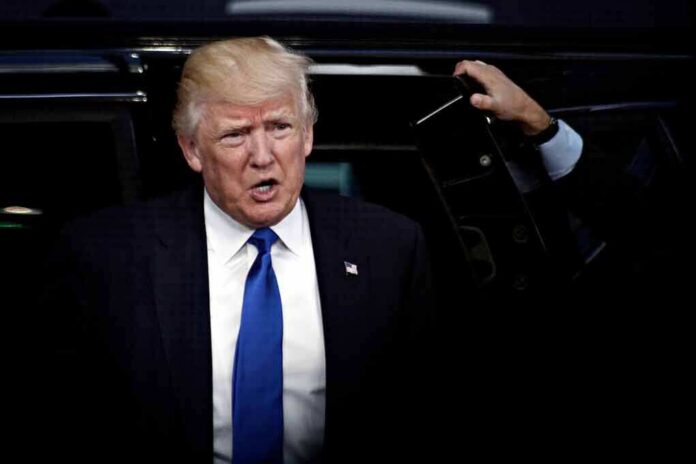
President Trump used a Truth Social post to say he is “demanding compensation from Iran” and has told his representatives to put that demand into every future negotiation. He linked the money claim to “all of the people that they have killed and gravely wounded” in recent fighting and in past conflicts. Reports say he cited roadside bombs and decades of unrest, framing the demand as a way to make Iran pay for blood and destruction, not just broken buildings. For many Americans, this sounds like a rare moment when Washington is not just writing a blank check, but the details behind the numbers are still thin.
Trump’s statement did not come out of nowhere; it followed reports that Iranian negotiators had asked for compensation from the United States and its allies for damage caused by a five‑month bombing campaign. In response, Trump flipped the script, arguing that if anyone is owed money, it is the families of people killed and wounded by Iran-linked violence. This tit‑for‑tat approach turns war trauma into a bargaining chip. It also raises hard questions about who counts as a victim, who is truly to blame, and whether any of this will reach regular people rather than just move frozen assets on a spreadsheet.
Iran’s Counter Demands and a Growing Money Standoff
Iran has not accepted Trump’s framing. Instead, its leaders have issued their own list of conditions, including payment of war reparations, sanctions relief, and recognition of its control over the Strait of Hormuz before it will agree to a deal. Reuters and other outlets report that Iran wants compensation for war damage and for the impact of United States actions on its economy and oil exports. Tehran has also tied reopening the vital shipping lane to cash and policy changes, saying it will not move until it is paid for destruction and loss. This back‑and‑forth means each side is claiming to be the injured party, and ordinary citizens on both sides are caught in the middle.
As both governments dig in, the conflict costs keep rising. News outlets describe widespread damage in Iran and Lebanon, disrupted shipping in the Strait of Hormuz, and higher global energy prices. Trump has asked Congress for tens of billions of dollars, mostly to fund the war with Iran, even as he talks about making others pay. Many Americans see a familiar pattern: leaders argue over who pays while taxpayers and consumers feel the real pinch through higher prices, budget fights, and the risk that retirement savings and jobs will suffer if the conflict drags on. The fight over compensation does not change that basic reality yet, but it could decide who gets stuck with the bill.
Victims’ Push for Restitution and Gaps in the Legal Roadmap
Families of people killed or hurt in attacks tied to Iranian-sponsored groups have pressed Trump to keep restitution demands at the heart of any peace deal. Some have already won judgments in United States federal courts, where Iran was held responsible for major bombings and terror acts and ordered to pay damages. For these families, Trump’s post sounds like long‑awaited recognition that their pain is more than a talking point. They want frozen Iranian assets or any future payments to flow first to victims rather than to governments or large contractors.
Trump to Iran: You want compensation? ‘Now I’m demanding it too’
US president says Tehran never raised compensation in previous talks and orders negotiators to demand payment for Americans killed or wounded by Iran, as well as pro…https://t.co/nuqzb4Q9NU pic.twitter.com/BjXg0caq1f
— Ynet Global (@ynetnews) August 10, 2026
For now, however, Trump’s demand looks more like a political and diplomatic move than a clear legal plan. There is no public record of a detailed damages model, list of incidents, or agreed forum where Iran’s responsibility would be tested and judged. Fact‑checks also note that some of Trump’s past claims about Iran‑related payouts and death totals lacked solid backing. This mix of real court cases, emotional calls from victims, and loose public numbers makes it easy for skeptics to see the compensation talk as another way for elites to trade in other people’s pain without fixing the systems that failed them.
Why This Matters to Americans Angry at the “Deep State”
Trump’s “make them pay” message taps into frustration across the political divide. Many conservatives are tired of seeing American troops sent into long wars while Washington racks up debt and lets foreign rivals walk away. Many liberals are angry that war and sanctions can crush civilians abroad while widening the gap between rich and poor at home. Both worry that unelected officials and well‑connected insiders profit from conflict while everyday families carry the cost through taxes, unstable fuel prices, and lost trust in government.
This new push to demand cash from Iran and to use frozen assets to repay damage fits a wider pattern where Washington tries to shift war bills onto other countries or onto special funds. On paper, making Iran pay for what United States leaders say it has done may sound fair. In practice, experts warn that without strong rules and transparency, these moves can become another back‑room struggle over money that leaves regular citizens wondering who is telling the truth. As both Tehran and Washington trade demands, Americans who feel let down by the federal government will watch closely to see whether this is real accountability, or just another chapter in a long story where the “deep state” protects itself first.
Sources:
aljazeera.com, huffpost.com, arabnews.com, youtube.com, economictimes.com, npr.org, scanx.trade, cbsnews.com, independent.co.uk, thehill.com, wsj.com, washingtonexaminer.com