President Trump’s on-record “I like them” endorsement of Flock license-plate cameras puts nationwide surveillance squarely on Washington’s to-do list while cities and courts still fight over guardrails.
Story Highlights
- Trump endorsed Flock cameras as crime-fighting tools during an Air Force One gaggle.
- Police departments praise the systems, while critics cite mounting misuse and privacy risks.
- A federal judge said Norfolk’s Flock program is not inherently a privacy invasion.
- Flock announced shorter default data retention and new safeguards amid backlash.
What Trump Said And Why It Matters
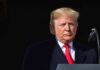
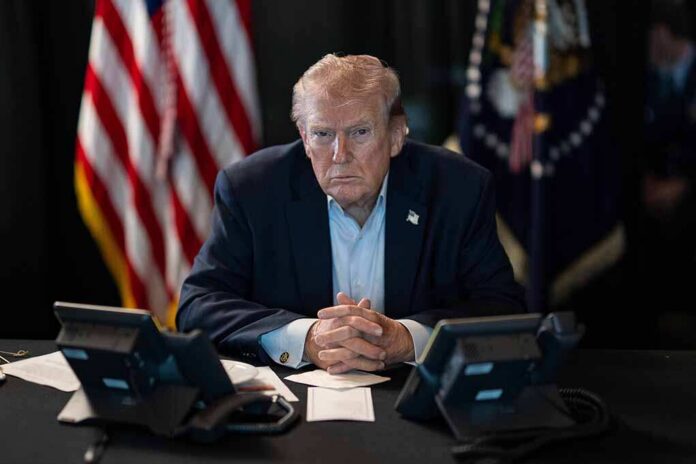
President Trump told reporters on Air Force One on September 13, 2026, that he supports Flock license-plate cameras, saying, “They help catch a lot of criminals,” and “I like them”. Weeks earlier, he said the technology was being studied and had “pros and cons.” The new remarks signal a clear tilt toward expanded use of automated plate readers. The statement came as cities debate limits and lawmakers weigh rules for data sharing and retention across agencies.
Trump’s stance fits his long-running message to “back the blue” and give police more tools, even as he faces a divided public on surveillance. Supporters say the cameras alert police to stolen cars, wanted suspects, and Amber Alerts in real time. Critics warn the same network can track anyone’s routine without a warrant. The President did not release supporting data or a federal policy memo with his endorsement, leaving details for agencies and Congress to define.
Police Utility Claims Versus Misuse Fears
Many officers call Flock “invaluable” for linking plates to leads, solving thefts, and finding suspect vehicles, according to reporting from major cities. Yet newsrooms and watchdogs have documented alleged abuses, including officers using databases to stalk partners or look up people with no crime tie. The Institute for Justice says it tracked more than 100 incidents of automated plate reader abuse, including wrongful stops and stalking, showing the risks are real, not theoretical.
Some states and departments have pulled back. Florida moved to remove similar cameras from highways, citing reports of misuse and privacy concerns. The Los Angeles Police Department paused Flock use while it reviewed who controls data and how it may be shared, including with immigration officials. Civil-liberties groups argue that mass collection of location hits can reveal “patterns of life” about worship, protests, and medical visits, even for people not suspected of crimes.
Courts And Company Guardrails Are Shaping The Line
Courts do not agree in full, but recent decisions have favored fixed cameras on public roads. A federal judge in Norfolk ruled the city’s 176 Flock cameras are not inherently an invasion of privacy, keeping the program in place while litigation continues. That ruling matches a line of cases that see a license plate as public information. Still, other cases test how long police can keep data and what happens when many cameras allow trip-by-trip tracking over time.
Flock Safety says it heard the concerns and changed defaults. The company announced a seven-day standard retention and new “evidence mode,” while stressing that customers own the data and control who can access it. These steps aim to cut misuse windows while keeping investigative value. Critics say the shift shows the system needed stronger limits all along. Supporters say shorter retention can still power fast-moving cases if searches happen within the first week.
What To Watch Next For Your Rights And Safety
Congress and federal agencies must now decide rules on retention, sharing, audit trails, and penalties. Clear limits could address abuse without stripping tools from police. Cities will press for local control of data and who can query it. If the White House backs national standards with public reporting, it could calm both sides. If not, expect a patchwork where your privacy depends on your zip code, not a consistent set of American rules.
Sources:
theguardian.com, washingtonpost.com, latimes.com, katu.com, thehill.com, yahoo.com, reason.com, flocksafety.com, chicagotribune.com, malwarebytes.com