
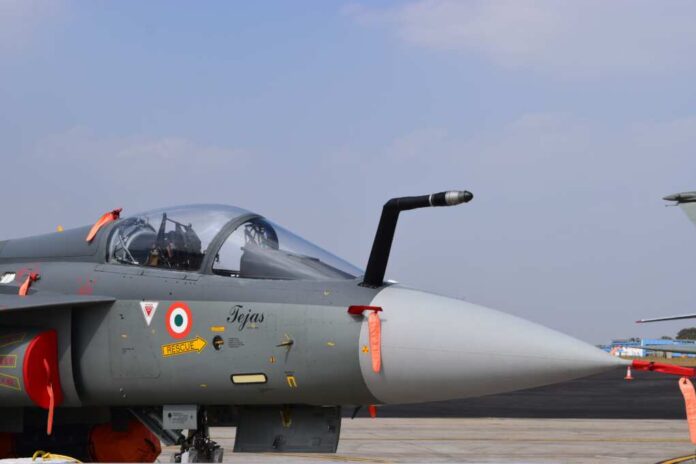
As global defense leaders watched in Dubai, a fiery crash of India’s flagship Tejas fighter jet exposed alarming risks in foreign technology—and reminded Americans why prioritizing homegrown innovation and military safety is vital for national security.
Story Snapshot
- An Indian Air Force Tejas fighter jet crashed during a low-altitude maneuver at the Dubai Airshow, killing the pilot and sparking global scrutiny over aircraft safety.
- The disaster unfolded before international defense delegations, threatening India’s defense export ambitions and raising questions about pilot training and technical reliability.
- The incident highlights the dangers of relying on unproven foreign systems, underscoring the importance of strong domestic defense capabilities and rigorous safety standards.
- Expert analysis points to possible pilot blackout or technical failure, but official investigations remain ongoing.
Tragedy at Dubai Airshow Reveals Risks in Foreign Military Technology
On November 21, 2025, the Dubai Airshow—one of the world’s premier aerospace exhibitions—was rocked by a catastrophic accident as India’s Tejas Light Combat Aircraft Mk 1A crashed during a low-altitude aerobatic maneuver. The jet erupted into a fireball in full view of global defense stakeholders, instantly killing Wing Commander Namansh Syal, an experienced pilot tasked with showcasing India’s indigenous fighter to international buyers. The disaster drew immediate attention from military leaders, industry experts, and media worldwide, prompting urgent debate about the safety and reliability of imported and untested military technology.
The Tejas fighter’s crash at the Dubai Airshow has badly damaged reputation of IAF and undermined India’s export push for the jet. Armenia no more interested in buying Tejas. pic.twitter.com/kxKY4SGh6s pic.twitter.com/s3qY0o6vwQ
— 𝐓𝐫𝐮𝐞 𝐅𝐥𝐚𝐫𝐞™ (@AMRmalik5110) November 23, 2025
India’s Tejas program, launched in the 1980s to replace aging Soviet-era MiG-21s, was designed to boost self-reliance and reduce dependence on foreign suppliers. The Mk 1A variant, which crashed in Dubai, had recently undergone significant upgrades and was being promoted aggressively for export. This incident was only the second known crash involving the Tejas, but its timing and visibility—occurring during a high-profile airshow—cast a long shadow on India’s defense modernization efforts. The crash reignited concerns about pilot safety protocols, rigorous training standards, and the risks of pushing new aircraft into demanding public demonstrations without thorough operational vetting.
Implications for National Security and Defense Export Credibility
The fallout from the Dubai crash extends far beyond India’s borders. For American conservatives, this tragedy illustrates the dangers of outsourcing critical military capabilities and underscores the necessity of maintaining robust domestic defense industries. When nations prioritize speed and global prestige over safety and reliability, the results can be catastrophic—jeopardizing not only lives but international reputation and strategic strength. The loss of Tejas and its pilot at such a public venue has already led to heightened scrutiny of India’s export ambitions, with potential buyers and defense partners reevaluating commitments in light of the incident. The event serves as a cautionary tale for policymakers and military leaders everywhere: shortcuts in defense procurement and training can have dire, irreversible consequences.
Lessons for American Defense Policy and Constitutional Priorities
This tragedy comes at a time when the United States, under President Trump’s renewed leadership, has doubled down on restoring military strength, securing the border, and protecting constitutional rights against reckless government overreach. The Dubai crash is a stark reminder: national security must never be compromised for political expediency or global approval. America’s longstanding commitment to homegrown innovation, thorough vetting, and the highest safety standards underpins our military’s reputation and effectiveness. As foreign governments grapple with the consequences of neglecting these principles, U.S. policymakers should remain vigilant—rejecting globalist pressures and woke agendas that erode the foundations of our national defense. The lessons from Dubai reinforce the conservative mandate to prioritize American-made solutions, rigorous oversight, and unwavering accountability in all defense decisions.
While investigations into the Tejas crash continue, the broader message for Americans is clear: safeguarding our constitutional values, ensuring the integrity of our military, and rejecting the importation of questionable technology are non-negotiable imperatives. The Dubai disaster underscores why conservative leadership—focused on self-reliance, transparency, and the protection of life and liberty—remains essential in an increasingly unpredictable world.
Sources:
Fatal Crash of India’s Tejas Light Fighter Mars Dubai Airshow – The War Zone
Tejas Jet Crash: New Zoomed-In Video Shows Aircraft Crashing During Maneuvers – Hindustan Times
G-force Blackout? What Experts Said on Tejas Dubai Crash – Times of India
Pilot Crashes Into Ground Causing Deadly Fireball at Dubai Airshow – The Daily Beast