The FACE Act’s controversial interpretation by the DOJ threatens First Amendment freedoms, igniting a legal storm.
Story Highlights
- The DOJ’s interpretation of the FACE Act for church protests raises constitutional questions.
- Keith Ellison challenges the DOJ’s application, defending protest rights.
- Don Lemon faces DOJ scrutiny for covering the protest as a journalist.
- The incident underscores tensions between state and federal law enforcement.
DOJ’s Interpretation of the FACE Act Sparks Controversy
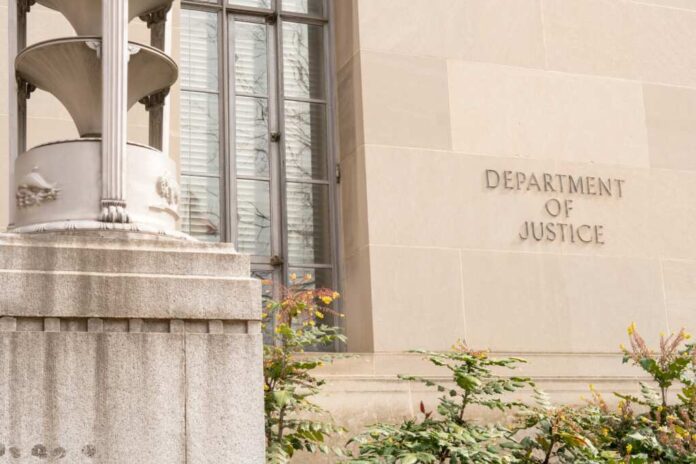
The Department of Justice under the Trump administration has sparked a fierce debate by investigating anti-ICE protesters under the FACE Act for disrupting a church service in St. Paul, Minnesota. This move has been met with significant backlash, especially from Minnesota Attorney General Keith Ellison, who argues that this interpretation represents an overreach of federal law, traditionally applied to reproductive health access rather than religious worship disruption.
Ellison appeared on Don Lemon’s YouTube show to clarify his stance, emphasizing that the FACE Act’s application to religious settings is not aligned with its original purpose. He asserted that the law is meant to safeguard against force and violence, a threshold not met by the protesters’ actions, which he argued were peaceful demonstrations against perceived injustices related to ICE operations.
https://youtu.be/vqfpsk8VrdY?si=v-nh3p9eOnpZQ62D
Legal and Political Ramifications
This legal battle highlights a significant tension between state and federal powers, with Ellison denouncing the DOJ’s actions as a “moral inversion” of civil rights laws. He emphasized that the FACE Act’s protections for religious worship do not extend to suppressing lawful protest activities. This interpretation, he suggests, could set a dangerous precedent that restricts First Amendment rights and chills journalistic endeavors, particularly those involving coverage of protests.
Don Lemon, who was present as a journalist during the protest, has become a focal point of the DOJ’s investigation. The DOJ claims that his reporting was not protected under the First Amendment, a position that has drawn criticism from media advocates who argue that such actions could deter journalists from covering sensitive events. Lemon stands by his reporting, highlighting the threats he received and questioning the prioritization of the investigation over other pressing issues.
Implications for Future Legal Interpretations
The outcome of this legal conflict may significantly impact future interpretations of the FACE Act and the scope of First Amendment protections. If the DOJ’s interpretation is upheld, it could broaden the application of the FACE Act to include a wider range of activities, potentially stifling protest rights and journalistic freedom. Conversely, a rejection of this interpretation could affirm the need for a clear distinction between protest rights and civil rights protections under federal law.
The ongoing debate serves as a critical examination of how historical laws are applied in modern contexts, raising questions about statutory interpretation in polarized times. As the legal proceedings unfold, stakeholders from various sectors are closely monitoring the implications for civil liberties and federal-state relations.
Sources:
Minnesota AG Keith Ellison Denies Don Lemon, Anti-ICE Protesters Violated FACE Act as DOJ Mulls Charges
The Klan Act Gets Reversed Against Don Lemon
Minnesota AG Ellison Says Anti-ICE Protesters Who Stormed Church Didn’t Violate FACE Act