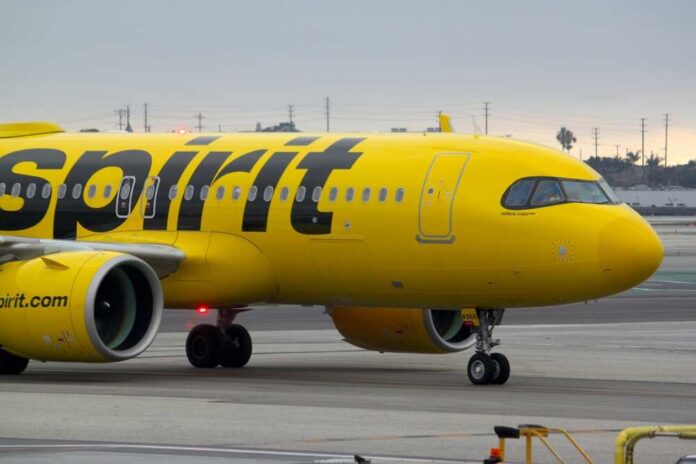
Spirit Airlines collapsed Saturday morning after the Trump administration’s $500 million bailout proposal fell apart, leaving hundreds of thousands of passengers stranded and exposing how government bureaucracy and creditor infighting doomed a rescue deal that could have saved 17,000 jobs.
Story Snapshot
- Spirit Airlines shut down all operations May 2, 2026, after two bankruptcies and a failed federal bailout
- Trump’s proposed $500 million rescue package collapsed due to bondholder disputes over 90% equity warrants
- 17,000 employees lost jobs while competitors announce temporary fare caps to absorb stranded passengers
- Airline’s demise triggers concerns about rising airfares and industry consolidation threatening budget travelers
Bailout Collapse Seals Spirit’s Fate
The Trump administration offered Spirit Airlines a $500 million federal financing package Friday in exchange for 90% equity warrants, representing a last-ditch effort to prevent the carrier’s collapse. The proposal crumbled within hours as Spirit’s bondholders rejected the deal, prioritizing their own financial recovery over dilution of their holdings. Internal disagreements within the administration also delayed finalization, with Trump stating Friday that aid would only proceed if “we have to come first.” The deal’s failure illustrates how competing interests among creditors, government officials, and corporate stakeholders can paralyze decisive action, leaving workers and consumers to bear the consequences of bureaucratic gridlock.
Immediate Shutdown Strands Travelers Nationwide
Spirit announced an immediate operational wind-down Saturday morning, canceling all flights and halting customer service operations without warning. The airline cited surging fuel prices linked to ongoing Iran-related conflicts, which drove jet fuel costs up 30-50% between 2025 and 2026, eroding the carrier’s already fragile liquidity. Passengers who paid with credit cards will receive automatic refunds, while those holding vouchers or loyalty points must navigate bankruptcy proceedings through SpiritRestructuring.com for potential recovery. The abrupt closure left hundreds of thousands of travelers scrambling for alternative flights during peak travel periods, exposing the fragility of relying on ultra-low-cost carriers operating on razor-thin margins.
Competitor Airlines Step In With Limited Relief
United, American, Frontier, and Southwest quickly announced passenger assistance programs, offering rebooking options and temporary fare caps ranging from $200 to $400 on routes previously served by Spirit. These measures provide short-term relief but do little to address the long-term loss of low-cost capacity in the market. Aviation analyst Henry Harteveldt characterized competitors’ assistance as “PR gold but temporary,” noting that Spirit’s elimination will likely drive airfare increases of 10-20% on budget routes. The closure benefits major carriers by reducing competition, raising questions about whether their relief efforts genuinely serve passengers or merely capitalize on an opportunity to consolidate market share while appearing benevolent.
Broader Implications for American Travelers
Spirit’s shutdown marks the first major U.S. airline failure in decades, signaling potential vulnerabilities in the post-2024 deregulated aviation landscape under Trump’s policies emphasizing free-market competition. The loss of 17,000 jobs adds to unemployment concerns while eliminating a carrier that served primarily budget-conscious travelers on short-haul domestic and Caribbean routes. Long-term consequences include reduced options for low-income Americans who relied on Spirit’s ultra-low fares, potentially pricing millions out of air travel altogether. The collapse also fuels ongoing debates about government intervention in failing industries, with Senator Elizabeth Warren praising the non-bailout as a taxpayer victory while critics argue that strategic support could have preserved competition and jobs, preventing the very consolidation that now threatens affordable air travel.
Spirit Airlines Just Shut Down. Here's Trump's Relief Plan for Air Travel. https://t.co/J42fJpNjzf I APPRECIATE FOLLOWS #SpiritAirlines #AirTravel #TrumpReliefPlan #AviationNews #TravelIndustry pic.twitter.com/jdiZc0a2C2
— Jimbo Trump (he/she/bullshit) (@jimbotrump) May 2, 2026
The Spirit Airlines shutdown exposes a troubling reality that transcends partisan politics: when government processes become entangled with creditor interests and corporate debt structures, ordinary Americans suffer the consequences. Whether the Trump administration’s hesitation represented prudent fiscal stewardship or a failure to act decisively will be debated, but the outcome remains unchanged—workers lost livelihoods, travelers face higher costs, and the airline industry moves closer to oligopolistic control that serves shareholders over citizens seeking the American Dream of affordable mobility.
Sources:
Axios: Spirit Airlines Shutdown