A Zoo Miami worker ended up in the hospital after possibly touching saliva from an antelope that had just been given a powerful opioid used to knock out large animals.
Story Snapshot
- A Zoo Miami employee was hospitalized Friday after a possible exposure during an animal procedure.
- The antelope, a greater kudu, had been given thiafentanil, a potent opioid, before being tested and shipped to another facility.
- The zoo says it has not confirmed what actually caused the worker’s symptoms.
- Staff gave the employee naloxone, the opioid-reversal drug known as Narcan, as a precaution.
- The worker was taken to Jackson South Medical Center and is reported stable.
What Happened During The Antelope Procedure
Zoo Miami said the employee was helping secure a greater kudu’s head during a routine immobilization procedure. Staff were preparing to test the animal before sending it to another facility. The antelope had been given several drugs to keep it still, including thiafentanil, a strong opioid used in wildlife medicine. The worker began showing symptoms while handling the sedated animal, according to the zoo’s statement reported by NBC 6 South Florida on November 6, 2026.
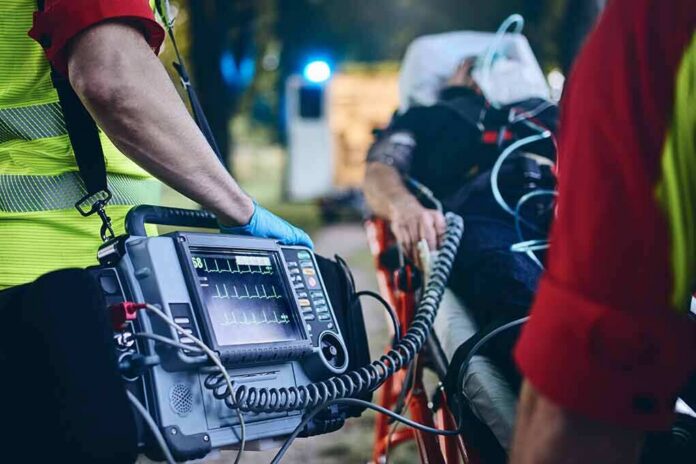
Zoo officials said the employee may have come into contact with the antelope’s saliva. Out of what the zoo called “an abundance of caution,” staff gave the worker naloxone right away. Workers then rushed the employee to Jackson South Medical Center for observation. Hospital staff reported the employee as stable, according to the zoo’s account shared with reporters.
Why The Zoo Has Not Confirmed A Cause
Zoo Miami was careful to separate what might have happened from what doctors have actually confirmed. The zoo’s own statement said the cause of the employee’s symptoms “has not been confirmed.” That means no toxicology test or medical finding has yet proven that thiafentanil caused the illness. The zoo acted quickly because the risk of opioid exposure in this line of work is real, even without a confirmed diagnosis in this specific case.
Reports have not described the worker’s actual symptoms, how long they lasted, or whether doctors ran blood or urine tests. There is also no public report confirming exactly how much saliva, if any, touched the employee’s skin, or whether that skin had any cuts or breaks. These gaps mean the full medical picture is still unclear, even though the zoo’s basic timeline of events is not in dispute.
Why Wildlife Workers Face This Risk
Thiafentanil belongs to a group of extremely strong opioids, including carfentanil and etorphine, that zoos and wildlife agencies use to sedate large animals quickly. These drugs are so potent that the federal government’s own safety guidance says the people most at risk are not the public, but the workers who handle, inject, or monitor the drugged animals themselves. Exposure can happen through injection, breathing in the drug, swallowing it, or touching skin.
Veterinary safety materials warn that accidental exposure to these opioids can cause serious breathing problems, loss of consciousness, or worse. The drug’s own federal labeling tells handlers to use extreme caution and to wash any skin contact immediately with plenty of water, then call a doctor.[per manufacturer guidance] Zoos build these precautions into standard animal-handling procedures precisely because the margin for error with drugs this strong is thin.
What This Case Shows About Workplace Safety
This incident fits a known pattern in zoo and wildlife veterinary work, not an unusual one-time event. Studies of zoo and wildlife veterinarians have tracked years of accidental human exposures to these same immobilizing drugs. The Zoo Miami case shows how fast staff moved once they suspected a problem, giving naloxone and getting the worker to a hospital within a short window, following safety steps built for exactly this kind of risk.
For now, the public record shows a zoo worker fell ill during a drugged-animal procedure, received emergency treatment, and is stable. The underlying medical cause remains unconfirmed, but the facts of what happened and how staff responded are clear. The case is a reminder that even routine animal care work can carry serious hidden risks for the people who do it.