

A deadly incident and fast-moving fire at Canadian Forces Base Wainwright left people dead and injured, triggering a national response and raising urgent safety questions about military training and base readiness.
Story Snapshot
- Canada’s defence minister confirmed deaths and injuries at CFB Wainwright after a major fire.
- Royal Canadian Mounted Police joined the investigation as crews monitored hot spots.
- Local officials reported high winds pushed flames beyond the base perimeter.
- Hospitals prepared for casualties as agencies coordinated the response.
Minister Confirms Casualties And Ongoing Investigation
Defence Minister David McGuinty told reporters in Ottawa on October 17 that there were fatalities and injuries after an incident at Canadian Forces Base Wainwright in Alberta. He said the situation remained “very, very active and delicate,” and that teams were still working through what happened. He noted that the Royal Canadian Mounted Police was involved, which signals a serious investigation with potential criminal or safety angles. He did not release numbers, citing the ongoing response.
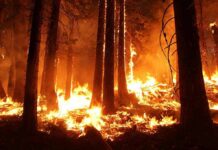
News outlets reported that the event led to a large fire on the base. Officials continued to monitor the fire and any flare ups into the next day. Early reports used terms like “explosion,” but the minister’s statement described an “incident” and a major fire without naming a cause. That leaves open whether munitions, fuel, or another source started the blaze. Officials said they would share more once facts were confirmed.
Fire Spread, Weather, And Emergency Response
Local government updates said strong winds carried the fire beyond the base fence and sped its spread. Multiple firefighting teams responded across jurisdictions to protect nearby areas and contain hot spots. Police reports placed the first calls in the late afternoon, which matched witness accounts of smoke and rapid growth. The mix of grassland, wind, and dry fuel made control harder, a known risk in prairie training ranges during the fall season.
Regional health providers prepared to receive patients. Reporters described casualties arriving or being routed to hospitals, and the Wainwright Health Centre asked the public to avoid the facility unless care was critical. That request helps clear space for trauma care and keeps emergency halls from clogging during mass-casualty events. Such steps align with regional emergency plans used when multiple agencies respond at once.
What Officials Can And Cannot Say Yet
The minister’s office confirmed that people were killed and others were hurt, and that a major fire burned on the base. Those are the core facts at this stage. Officials did not identify the dead or the injured or say if all were military members. They also did not say what sparked the incident. These limits are common while families are notified and while police and defence investigators secure the scene and collect evidence.
Canadian policy requires fast, accurate casualty reporting inside the chain of command. That internal reporting does not always reach the public right away. Police and defence investigators often share findings after they analyze origin points, debris, radio logs, and weather data. In past cases, boards of inquiry and coroners’ reviews mapped the cause and any safety gaps, then issued changes to training and base procedures to reduce future risk.
Why This Matters On Both Sides Of The Border
Military ranges mix live training, fuel, and heavy equipment with nearby towns. When something goes wrong, fire can spread fast, and people can get hurt. Both conservatives and liberals worry about government competence and accountability. Clear facts and timely updates help rebuild trust. People want to know whether safety steps failed, if equipment was at fault, or if weather risks were missed. Transparent findings and fixes matter more than spin when lives are at stake.
🚨 CATASTROPHIC BLAST AT CANADIAN BASE: At least 7 killed and numerous injured following a massive explosion during live-fire exercises at Canadian Forces Base Wainwright, Alberta! Local accounts suggest an 84 mm Carl-Gustaf round struck a gas well or pipeline, triggering a roar
— X News (@Xnews_l) October 18, 2026
For Americans watching from just south of Alberta, the lesson is practical. Bases must plan for worst-case events, share accurate information fast, and protect nearby communities. That means strong range rules, strict fire controls, and honest after-action reports. It also means steady support for first responders and hospitals when disaster strikes. Facts, not headlines, should guide the next steps at Wainwright and at every North American training range.
Sources:
thegatewaypundit.com, cbc.ca, nationalobserver.com, ctvnews.ca, lethbridgeherald.com, canada.ca