
Trump’s claim that the Iran ceasefire is “over” has already turned a fragile pause into another round of strikes and retaliation.
Story Snapshot
- President Donald Trump said the ceasefire was “over” after attacks on three commercial ships in the Strait of Hormuz.
- United States Central Command said it struck more than 80 Iranian targets, then about 90 more the next day.
- Iran fired back at United States-allied Gulf states, showing how fast the conflict widened.
- Oil sanctions were restored, and shipping fears now threaten trade through a key global waterway.
Trump Ends the Pause After Ship Attacks
President Donald Trump said the ceasefire was “over” after Iran attacked three commercial vessels in the Strait of Hormuz. He made the statement while NATO leaders met in Ankara, Turkey, and tied it to the ship strikes that came first. United States Central Command later said its forces hit more than 80 Iranian military targets in response, including air defense systems, radar sites, and small boats used by the Islamic Revolutionary Guard Corps.
That sequence matters because it shows how quickly a maritime incident can become a wider military exchange. Trump framed the ship attacks as a direct breach of the ceasefire, while United States officials said the goal was to reduce Iran’s ability to threaten commercial shipping. The same day, Washington also moved to claw back oil sanctions waivers that had been part of the ceasefire framework, turning pressure on Iran into both a military and economic response.
Iran Fires Back and the Gulf Feels the Shock
Iran answered with missiles and drones aimed at United States military bases in Kuwait and Bahrain, according to reporting on the exchange. That retaliation turned the dispute into a broader regional problem, not just a fight over one shipping lane. United States and Iranian media also reported that the original targets were three vessels, including the Marshall Islands-flagged Al Rekayyat, the Saudi-flagged Wedyan, and the Liberian-flagged Cyprus Prosperity.
The fighting also raised the stakes for nearby states and global trade. Qatar, Kuwait, and Bahrain all sit inside a zone where United States forces and Gulf allies operate close to Iranian reach. A second wave of United States strikes followed, and United States Central Command said it hit about 90 more targets to further weaken Iran’s ability to attack shipping in the strait.
Why the Strait of Hormuz Now Matters More
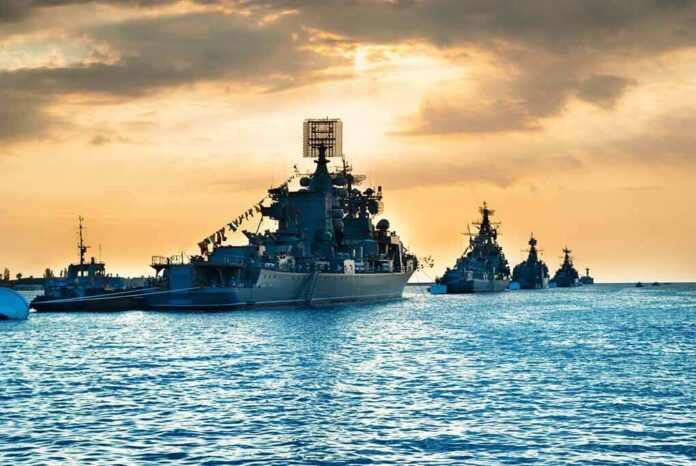
The Strait of Hormuz is one of the most important choke points in the world for oil and gas traffic. When shipping slows there, the shock reaches fuel markets, insurers, and ports far beyond the Gulf. Reports said tanker traffic fell after the attacks, and oil prices rose as traders braced for more disruption. That kind of pressure can hit working families, transport firms, and factories long before diplomats settle the fight.
The US-Iran ceasefire has collapsed. President Trump said the ceasefire between the United States and Iran is over, as mediators work to de-escalate tensions and revive talks.(CNN) It follows a week of strikes after Tehran targeted multiple vessels in the Strait of Hormuz.@CNN pic.twitter.com/8BfiXS95gC
— Clark salvatore (@Salavtoredamm) July 11, 2026
The split over blame is also obvious. United States officials said Iran broke the ceasefire first by attacking ships, while Iranian state media said the vessels ignored warnings and entered waters Iran claimed to control. That gap leaves both sides telling their own version of events, with no public release of the full ceasefire text to settle the legal argument. For now, the facts on the ground are clear: the pause has cracked, the strikes are real, and the region is paying the price.
Sources:
youtube.com, npr.org, foxnews.com, aljazeera.com