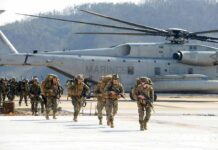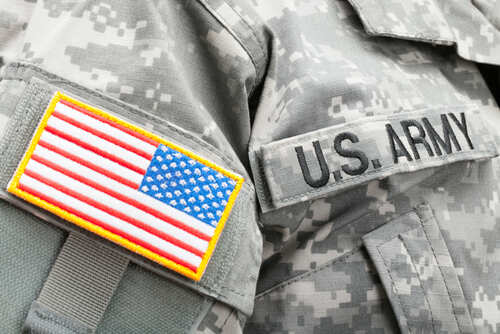
A once-mocked group of “noncompliant” troops is marching back into uniform, and their return exposes just how wrong the Biden Pentagon was to punish them for questioning a politically driven COVID mandate.
Story Snapshot
- The Pentagon’s 2023 repeal of the COVID shot mandate opened doors for thousands of discharged troops to seek upgrades, reinstatement, and possible back pay.
- More than 8,000 service members were forced out and over 17,000 refused the shot, after a mandate issued without a formal presidential order.
- Congress—not Biden’s Pentagon—forced the rescission through the 2023 defense bill after public backlash and recruiting worries.
- Legal challenges exposed serious questions about forcing EUA vaccines on troops without proper informed consent or presidential waiver.
How Biden’s Pentagon Punished Troops Who Questioned a Political Mandate
From August 24, 2021, when Defense Secretary Lloyd Austin ordered all forces to “immediately begin full vaccination,” thousands of men and women in uniform were pushed into an impossible corner between conscience and career. The Pentagon quickly shifted from an initially voluntary rollout in December 2020 to a hard mandate once Pfizer’s vaccine gained full licensure, yet many doses in circulation still fell under Emergency Use Authorization. Those who hesitated faced intense pressure, denied exemptions, and eventual discharge paperwork.
By early 2023, more than 17,000 service members had refused the COVID shot, with over 8,000 pushed out of the ranks entirely and roughly 1,200 granted permanent or temporary exemptions. That left about 7,000 troops stuck in a legal gray zone, neither fully discharged nor properly accommodated. For a military that preaches unit cohesion, the mandate carved deep lines between those who complied under duress and those who felt they had to stand firm and accept the consequences.
Congress Forces a Course Correction and Opens the Door Back In
Political winds changed as real-world results came in: recruitment sagged, morale weakened, and legal challenges piled up over the mandate’s shaky footing. Rather than the Biden Pentagon voluntarily admitting error, it took the Republican-led Congress using the 2023 National Defense Authorization Act to order the mandate’s end. On January 10, 2023, Austin issued the memo rescinding the requirement, finally lifting the threat hanging over thousands of careers but only after serious damage had been done.
With the mandate officially gone, the focus shifted to repairing lives and records. Discharged service members gained pathways to seek discharge upgrades, turning stigmatizing characterizations into honorable discharges that better reflect years of faithful service. Others could apply for reinstatement, returning to active duty if they were willing and able, and some became eligible to fight for back pay covering time lost after separation. All of this unfolded while many former troops were already rebuilding civilian lives, making the repair process welcome but incomplete justice.
Legal Fault Lines: Authority, EUA Shots, and the Rule of Law
Attorneys and constitutional scholars highlighted what many in the ranks instinctively sensed: this policy stretched legal authority to the breaking point. The mandate came from the Secretary of Defense, not a presidential executive order, raising concerns about whether such a sweeping requirement should rest on a single cabinet official’s memorandum. At the same time, service members argued they were effectively being compelled to take vaccines still under Emergency Use Authorization without the explicit informed consent protections long embedded in federal law.
Under those statutes, forcing EUA products on troops typically requires either voluntary consent or a presidential waiver of that right, something critics say never properly materialized. Lawsuits argued that the government blurred lines between fully licensed products and EUA versions, leaving service members with limited ability to know exactly what they were being ordered to accept. Courts did not definitively resolve every claim before Congress stepped in, but the legal vulnerability was clear enough to help drive the political retreat and today’s quiet effort to welcome sidelined troops back.
What Reinstatement Means for Readiness, Trust, and Future Crises
Inside the force, the fallout goes deeper than paperwork corrections. Pentagon officials such as personnel chief Gil Cisneros still insist that following “lawful orders” is nonnegotiable, even as thousands of troops can now point to this episode as proof that resisting questionable directives can eventually work. That lesson cuts in two directions: it rightly encourages service members to think critically about their rights, but it also risks undermining faith in senior leadership that seemed more aligned with political narratives than grounded medical transparency.
War Department Welcomes Back Troops Forced Out Over COVID Vaccinehttps://t.co/AhXVZrQaue
— PJ Media (@PJMedia_com) March 7, 2026
For conservatives, the larger story is about accountability and limited government. A highly politicized health order, issued without full constitutional safeguards, cost experienced warriors their livelihoods until Congress forced a correction. As the Trump administration’s War Department now opens doors for those wronged to return, the lesson is stark: eternal vigilance is not just for enemies abroad. It is also for bureaucrats and politicians at home who forget that even in uniform, Americans do not check their God-given rights at the door.
Sources:
The fallout of the military’s COVID-19 vaccine mandate
Firing Military Personnel for Refusing COVID Vaccine
The U.S. Military’s COVID-19 Vaccine Mandate: Legal, Ethical, and Public Health Implications
DoD Rescinds COVID-19 Vaccination Mandate
H.R. 7900 – National Defense Authorization Act for Fiscal Year 2023