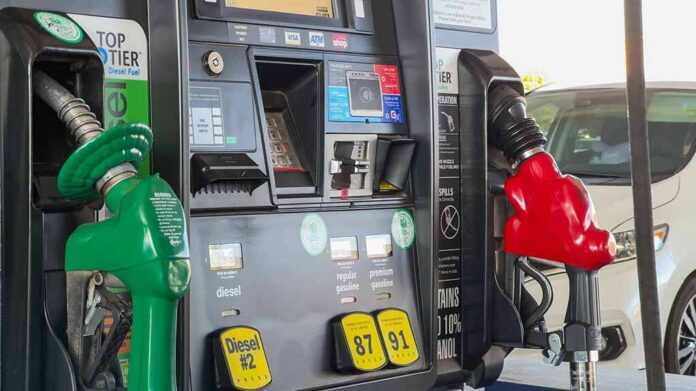
U.S. diesel prices just set a new all-time high, tightening the squeeze on the trucks, farms, and supply chains that keep daily life moving.
Story Snapshot
- Average U.S. diesel hit a record high, edging past the 2022 peak.
- Global supply strains and very low distillate stocks helped drive the surge.
- Refinery limits and export competition continue to keep diesel scarce.
- Higher freight and farm costs are likely to pass through to consumer prices.
What Set The New Record And How It Was Measured
Industry trackers reported average retail diesel at about $5.82 per gallon, topping the prior 2022 weekly peak near $5.81. GasBuddy and financial news feeds flagged the new high, noting the earlier record stood since mid-June 2022. Government monthly and weekly series show diesel approached or exceeded $5.75 in June 2022, with methodology changes around June 13 affecting direct week-to-week comparisons. The bottom line remains clear: today’s average price set a new nominal record.
The 2022 spike built through spring as prices climbed week after week. The United States Department of Agriculture captured the move in early June 2022, when on-highway diesel set a then-record, up 16.4 cents in a week to $5.703 per gallon. The Energy Information Administration (EIA) series shows June 2022 as the most expensive diesel month on record at $5.754 per gallon, framing how rare today’s new high is in context.
Why Diesel Spiked: Tight Supply Meets Global Shocks
The Energy Information Administration says several forces lift diesel prices at once: higher crude costs, low refinery output, low stocks, and firm demand. Those same factors tightened distillate markets before and after 2022, and they continue to matter now. Heading into peak demand seasons, the United States has faced the fewest days of distillate supply since 2008, a sign of a thin cushion that makes prices jump when disruptions hit. Extremely low seasonal stockpiles add fuel to the fire today.
Global disruptions also push diesel higher. War, refinery outages, and export shifts reduce available barrels and raise the value of each gallon. In 2026, attacks and conflicts have disrupted refined product flows. Spot diesel prices and the refining “crack spread” surged to rare levels, showing how much more valuable diesel became compared with crude oil as supplies tightened. When refiners can sell diesel at a premium abroad, exports compete with domestic needs, which supports higher U.S. pump prices.
Who Feels It First: Truckers, Farmers, And Families
Freight haulers buy large volumes of diesel to move goods across the country. When diesel jumps, shipping costs climb, and businesses often pass some of that rise to stores and, in time, to shoppers. The Energy Information Administration has warned that tight inventories and strong seasonal demand can pressure prices for months, especially before winter heating needs return. Farmers face similar stress as harvest and planting cycles overlap with price spikes, lifting costs for food production.
For households, the impact is not just at the pump. Higher diesel costs feed into the price of deliveries, groceries, home heating oil in some regions, and even building materials. In 2022, the Bureau of Transportation Statistics reported diesel rose faster than gasoline from January to June, showing how distillate markets can strain first and push broader inflation later. Today’s record, paired with low stocks, raises the risk of another pass-through to everyday prices if relief does not arrive soon.
What Could Ease Prices: Supply, Refining, And Seasonal Shifts
Diesel prices can cool if stocks rebuild, refineries raise output, crude prices ease, or global disruptions fade. The Energy Information Administration notes that increased refinery production and higher inventories tend to lower pressure on pump prices over time. Policy choices that speed maintenance, add capacity, or adjust export flows could help. Seasonal demand usually eases after harvest and before peak winter heating, but with stocks very low, price relief may depend on faster supply gains.
Sources:
youtube.com, bts.gov, eia.gov, eco3min.fr, dieselcostpergallon.com, whatsthepriceofgas.com, ams.usda.gov, finance.yahoo.com