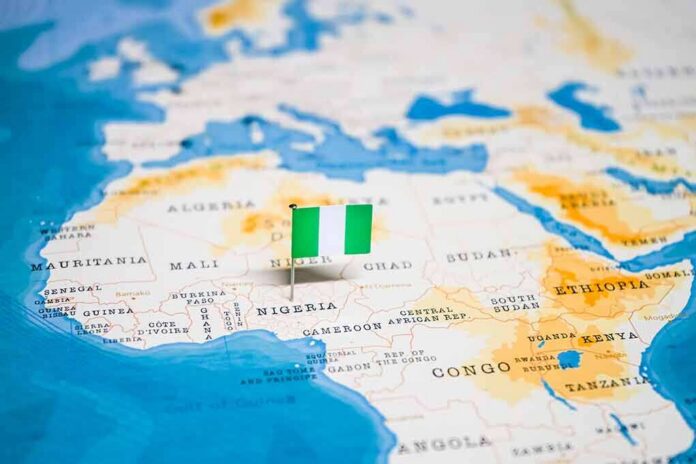
Gunmen opened fire on a crowded Friday market in Mangu, Plateau State, killing several traders as officials again struggled to stop repeat attacks on civilians.
Story Snapshot
- Gunmen shot traders and buyers at Mangu’s Friday market at nightfall; multiple outlets report several dead and many injured.
- Local community leaders described the assailants as terrorists who identify as Fulani, while no group has claimed responsibility.
- State officials condemned the violence and urged calm but offered few details on arrests or a lasting security plan.
- The attack fits a wider Middle Belt pattern where fast claims outpace evidence and attribution is disputed.
What Happened at the Friday Market
Reporters in Nigeria said gunmen attacked the weekly Friday market in Mangu after 8 p.m., when traders were ending the day. Witnesses and community leaders said the shooters fired at traders and buyers, causing panic and a rush to flee. Several outlets placed the death toll at five the first night, with more injuries and a later count rising in some reports. Local coverage also noted that the shooting happened in the vegetable section as people packed up to go home.
Early dispatches from the scene varied on numbers, which is common after chaotic incidents. One outlet cited at least three deaths based on local sources, while others put the toll higher as hospitals received the wounded. Local leaders from the Mwaghavul community confirmed that two women and a young man were among those killed, which helped verify that civilians, not security forces, were the main targets. Police and federal authorities did not immediately provide a detailed public briefing on suspects or arrests.
Who Is Being Blamed—and What We Know
Local leaders quoted in regional media said the attackers were terrorists who identify as Fulani, pointing to an ongoing pattern of raids on Christian communities in Plateau State. At the same time, reporters noted that no group has claimed responsibility. That gap matters because quick blame can harden views before investigators finish their work. Other coverage of recent Plateau attacks has also shown shifting death counts and mixed accounts of motives and identities in the first days.
National and state officials condemned the attack and called for calm. The Plateau State government said it was committed to peace and security, but it did not publish detailed steps beyond standard pledges to increase patrols and prevent reprisals. Residents across the region have heard similar statements after past attacks, yet markets, buses, farms, and villages keep getting hit. Many people now doubt that authorities can protect ordinary citizens or bring gunmen to court.
How This Fits a Wider Middle Belt Pattern
Analysts who study the Middle Belt say violence here often has more than one driver. Land disputes, poverty, weak policing, and ethnic and religious tensions all play a part, and each attack can trigger revenge strikes across districts. Media narratives can quickly frame a raid as religious or ethnic before clear evidence emerges, which then shapes how neighbors react and how politicians talk about it. That cycle makes each new incident more dangerous for everyone.
This market shooting follows months of reported killings on roads, in villages, and at other markets across Plateau State. Some reports stress Christian victims and Fulani suspects; others note reprisals and cross-cutting casualties, which shows why careful sourcing matters in the first week after an attack. What is not disputed is the core fact: armed men shot into a public space filled with traders and buyers. Families lost loved ones earning a living at day’s end.
Why Americans Should Care
American readers often feel the system at home shrugs at public safety and accountability. Nigerians in Plateau State say the same about their leaders. When governments fail to protect markets and roads, regular people pay the price. That fuels fear, migration, and the spread of armed groups. It also pushes citizens to rely on rumors and factions rather than fair courts and trusted police, which only deepens the divide and weakens the state.
Clear reporting and steady pressure for facts can help. So can basic steps that people everywhere expect: rapid, public briefings; evidence-based arrests; and visible patrols that stop the next strike. Until then, crowded places like the Mangu market will stay soft targets. The story here is not only who pulled the trigger, but also whether leaders can earn trust by giving people honest answers and real security—before another nightfall brings more gunfire.
Sources:
thegatewaypundit.com, global1.news, thisdaylive.com, punchng.com, streamlinefeed.co.ke, vanguardngr.com, thesun.ng, fmino.gov.ng, truthnigeria.com