The United States military has left Iraq’s Erbil Air Base, and Washington says the 12-year mission there is over.
Story Snapshot
- U.S. Central Command said all forces and equipment departed Erbil Air Base, ending the Iraq mission.
- Pentagon officials cast the move as a shift to an Iraqi-led security effort and normal ties.
- Coalition headquarters moved to Jordan as counter-ISIS work continues outside Iraq.
- The 2021 step down from combat to advising set the policy path for this exit.
What Washington Announced and Why It Matters
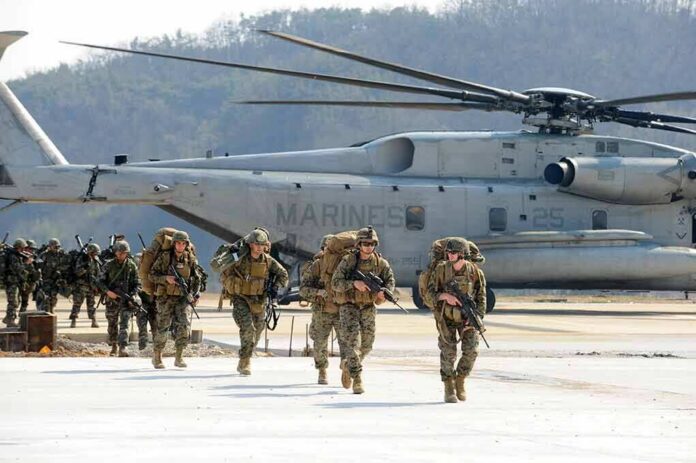
U.S. Central Command said it completed the orderly departure of U.S. forces and equipment from Erbil Air Base, which marks the end of Operation Inherent Resolve in Iraq after 12 years. Pentagon briefings framed this as mission success against the Islamic State group and the start of a normal, country-to-country security relationship led by Iraq’s own forces. This shift closes a long chapter of war for many Americans and Iraqis, and it reduces the direct U.S. military footprint inside Iraq’s borders.
Defense officials said the new approach ends the coalition’s wartime mission in Iraq and moves U.S.-Iraq ties toward standard training, intelligence sharing, and arms sales rather than day-to-day combat. That framing aims to show mission completion and respect for Iraqi sovereignty. It also limits the costs and risks of an open-ended deployment. For families who served multiple tours, this is a clear milestone. For Congress and taxpayers, it promises fewer ongoing expenses tied to Iraqi bases.
How We Got Here: From Combat to Advising to Exit
In December 2021, the United States and Iraq completed the plan to end the U.S. combat mission and switch the remaining troops into advising, assisting, and enabling roles alongside Iraqi forces. At that time, about 2,500 U.S. troops stayed in Iraq but no longer conducted a combat mission, according to public reports. That step-down built the path to today’s exit, allowing Iraqi units to take the lead while drawing down the American presence in stages over several years.
Reporters now note that Combined Joint Task Force–Operation Inherent Resolve remains active in the region but is headquartered in Jordan, not Iraq. That detail matters. It means the counter-ISIS effort did not end everywhere, but Iraq no longer hosts the coalition command or U.S. troops tied to that mission. For Iraq’s government, this helps claim full control at home while keeping access to U.S. support through more normal diplomatic and military channels if needed.
What Changes on the Ground for Iraq and the U.S.
Iraqi security forces assume full responsibility for daily security and for pressing any remaining Islamic State cells inside the country. The Pentagon’s message is that Iraqi units are ready to carry that load, with future U.S. help flowing through a typical bilateral relationship instead of a coalition war structure. The move aligns with earlier public plans and agreements that sought to end the combat role and then reduce the on-the-ground presence once Iraqi forces could stand on their own.
For years, the U…S relied on military bases to maintain its influence in West Asia. Today, its withdrawal from Iraq is nearing completion.
This is more than just the movement of troops; it reflects a shift in the regional balance that cannot be ignored. pic.twitter.com/kI1p0crQVj— vafakarimi (@vafakarimi03) September 29, 2026
For Americans watching from home, the withdrawal feeds into wider debates about foreign policy and trust in government. Some will see a long-awaited end to another front in a war on terror. Others will worry about whether the exit lasts or gets reversed if threats rise again. Both reactions are shaped by past cycles: drawdown, new threat, and return. Officials say this time is different because Iraq leads, the coalition command left the country, and support now runs through normal ties.
Sources:
legion.org, kurdistan24.net, cbsnews.com, townhall.com