

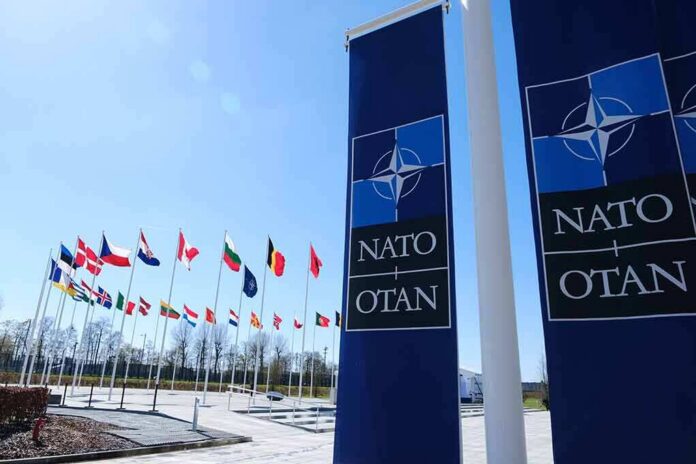
NATO said it will send additional surveillance and forensic support to the Black Sea after drone strikes damaged ships near Bulgaria and Romania, underscoring how fragile basic trade routes have become.
Story Snapshot
- NATO announced added surveillance, reconnaissance, and forensic support for the Black Sea region.
- The move followed reported drone strikes on commercial ships off Bulgaria and Romania, including an evacuation of crew from one vessel.
- Bulgaria formally asked NATO for help, including air patrols and counter-drone defenses.
- Officials have not publicly identified who was behind the strikes, and asset details remain undisclosed.
NATO Announces Added Support After Black Sea Ship Strikes
NATO spokeswoman Allison Hart said the alliance will send “additional assets” to the Black Sea region for surveillance, reconnaissance, and forensic support. She spoke after a meeting of allied ambassadors in Brussels on October 20, 2026. The announcement followed reports of recent drone strikes on commercial vessels near Romania and Bulgaria. One Malta-flagged ship, the Chelsea 3, evacuated its entire crew after a hit, according to news reports from the region.
NATO framed the move as defensive and focused on monitoring. The alliance did not describe the exact number, type, or origin of the assets, nor their deployment timeline. Bulgaria’s defense ministry also said details about which countries would contribute were still pending. That means the public record shows a planned reinforcement, not a full deployment order in the open domain. Still, NATO leaders said they will keep working closely with Black Sea allies to improve awareness and response.
Bulgaria’s Request: Air Patrols and Counter-Drone Systems
Bulgaria’s defense minister, Dimitar Stoyanov, said Sofia sent formal requests to the NATO Secretary General and the Supreme Allied Commander. The letters asked for added capabilities, including aerial surveillance, air patrols, and anti-drone and air-defense systems on Bulgarian territory. Stoyanov said specifics on what allies would provide were not yet set and would be clarified in the coming days. The request aimed to protect shipping lanes and reassure crews who move fuel, grain, and other goods.
The focus on surveillance matches a broader trend since 2014. After Russia’s seizure of Crimea and the 2022 full-scale invasion of Ukraine, NATO expanded airborne monitoring. Alliance Airborne Warning and Control System aircraft, called “AWACS,” have patrolled to build a clearer picture of activity near the Black and Baltic Seas. In practice, that means more radar and sensor coverage to spot threats sooner, cue defenses faster, and collect evidence for later analysis.
What We Know About the Strikes and What Is Still Unclear
Regional media and officials reported multiple drone strikes near allied waters. Rescue teams evacuated sailors and worked to secure damaged vessels. One report described a ship sinking and missing crew, showing how fast routine trade can turn deadly when drones enter crowded sea lanes. However, Bulgarian leaders said they did not yet have “clear and conclusive” evidence about who launched the drones. That limits public attribution at this stage.
The lack of named culprits does not pause defensive steps. Maritime corridors in the Black Sea carry key exports for Europe and global markets. When drones hit ships near the territory of alliance members, governments tend to raise patrols and sensors. That signals resolve without adding combat forces. It also helps collect forensic data, which can later support accountability or sanctions. NATO’s new support fits that pattern, even as officials avoid naming a responsible actor.
Why This Matters to Readers Far From the Black Sea
Everyday families feel these shocks as higher fuel prices and costlier goods. Shipping insurance goes up. Crews demand hazard pay. Cargo is delayed or rerouted. Those costs often land on consumers and small businesses who already face tight budgets. When trade routes near allied shores look unsafe, it feeds a wider sense that institutions react late or share little. People on the left and the right see a system that protects insiders first and shares risk with everyone else.
𝗡𝗔𝗧𝗢 𝗥𝗘𝗩𝗜𝗦𝗘𝗦 𝗪𝗔𝗥 𝗣𝗟𝗔𝗡𝗦 𝗔𝗚𝗔𝗜𝗡𝗦𝗧 𝗥𝗨𝗦𝗦𝗜𝗔 𝗔𝗠𝗜𝗗 𝗣𝗢𝗦𝗦𝗜𝗕𝗟𝗘 𝗨𝗦 𝗠𝗜𝗟𝗜𝗧𝗔𝗥𝗬 𝗗𝗥𝗔𝗪𝗗𝗢𝗪𝗡 𝗜𝗡 𝗘𝗨𝗥𝗢𝗣𝗘 — 𝗣𝗢𝗟𝗜𝗧𝗜𝗖𝗢 🇷🇺
The Pentagon has already removed some aircraft, drones, submarines and ships from the forces available… pic.twitter.com/K5kCpn1vPz
— Elisabeth Eliseeva 🇷🇺 SPUTNIK (@Eliseevanews) October 19, 2026
Clear, steady information and practical protection can rebuild trust. More eyes in the sky, faster alerts to captains, and better debris analysis are not flashy. But they can save lives and keep goods moving. NATO’s stated plan focuses on those basics. Bulgaria’s push for air patrols and counter-drone tools points to the same goal. The test now is simple: deliver specific capabilities, show results, and keep the public informed without inflaming tensions.
What Comes Next: Measuring Results, Not Rhetoric
Officials will likely track three things in the weeks ahead. First, detection: Are more drones spotted earlier, and are warnings reaching ships in time. Second, response: Are national fighters and coastal defenses scrambling faster and coordinating better. Third, forensics: Are teams collecting debris, tracing parts, and sharing findings that hold up. Concrete data on these points will show whether added assets improve safety, regardless of politics or press framing.
Sources:
bgnes.com, nampa.org, fakti.bg, cepa.org, cbc.ca, worldpoliticsreview.com