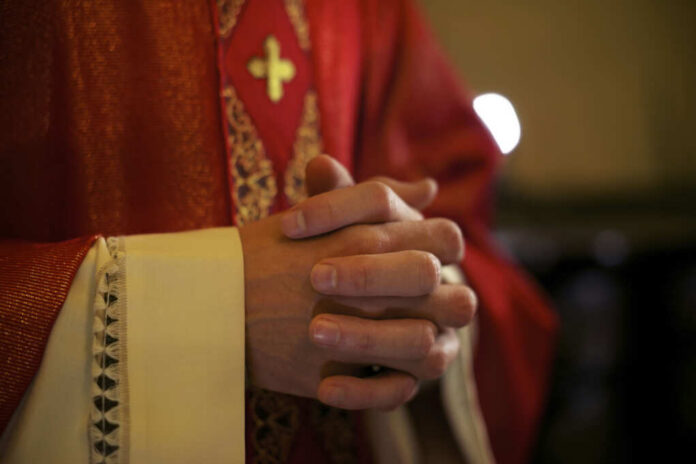
Pope Leo XIV draws a line in the sand against AI takeover of the pulpit, demanding priests ditch chatbots to preserve authentic faith transmission amid a tech-driven world eroding human values.
Story Highlights
- Pope Leo XIV urged Roman Diocese clergy to resist AI tools like ChatGPT for sermon preparation during a closed-door meeting late last week.
- AI cannot share genuine faith or replace living priests, Pope emphasized, warning human intellect atrophies without use like unused muscles.
- Guidance highlights Vatican tension: rejecting AI sermons while launching AI translation tools for 60 languages.
- Follows Pope’s January 2026 warnings on AI eroding creativity and critical thinking in communications.
Pope’s Direct Warning to Priests
Pope Leo XIV addressed clergy from the Diocese of Rome in a closed-door meeting late last week before February 25, 2026. He urged priests to resist temptation to use AI chatbots for homily preparation. Vatican News reported the Pope’s statements on February 25. The Pontiff stressed AI cannot transmit faith personally. Living priests hold an irreplaceable role in sharing spiritual truths with parishioners. This stance counters growing reliance on technology for core religious duties.
https://youtu.be/8m0jznoAm5U?si=86C2eSa28CQ6Od5w
Core Reasons: Faith, Intellect, and Human Connection
Pope Leo XIV declared a chatbot can never replace a living priest capable of sharing faith authentically. He likened human intellect to muscles that weaken without exercise, warning priests against mental atrophy from AI dependence. The Pope critiqued social media illusions equating likes with spiritual bonds. Priests must embrace authentic ministry over tech shortcuts. This advisory guidance promotes personal engagement in sermons, vital for Catholic communities worldwide.
Pope demands priests stop using AI to write sermons pic.twitter.com/EqkCx6gayJ
— B.C. Begley (@BC_News1) February 27, 2026
Vatican Context and Historical Precedents
The Catholic Church has long balanced technology with worship’s human essence, from Gutenberg’s press to modern vernacular Bibles. Vatican AI ethics guidelines view technology as a divine gift but prohibit uses violating human dignity. Pope Leo XIV’s January 25, 2026, message at St. Paul’s Basilica warned AI overrides human talents like creativity and critical thinking. These precede the clergy meeting, framing AI boundaries for 1.4 billion Catholics amid global ethics debates.
January 27 coverage by USCCB highlighted the Pope’s communications focus. February 2026 saw Vatican announce AI for real-time liturgical translations in 60 languages, underscoring selective endorsement. This contrasts AI rejection in sermons with acceptance for accessibility tools.
Implications for Priests and Faithful
Priests face efficiency lures from AI amid 2026 proliferation like ChatGPT writing aids. Pope Leo XIV prioritizes doctrinal purity and human transmission over convenience. Short-term, clergy may revive manual sermon prep, strengthening intellectual rigor. Long-term, it reinforces Church limits on AI in spiritual roles, influencing global preaching. Parishioners gain from culturally rooted, empathetic homilies free of algorithmic influence.
Socially, this counters tech dependency, bolstering critical thinking conservatives value against overreliance on machines. Vatican positions as AI ethics guide, distinct from profit-driven Silicon Valley agendas. No enforcement details emerged as of February 27, 2026.
Sources:
Pope Prohibits Use of AI in Sermons
Pope Leo Urges Priests to Resist Using AI for Sermons
Pope forbids priests from using artificial intelligence for sermon preparation
Let communication be conducted by real human beings, not AI, pope says
Lessons from the Vatican’s AI Guidelines
Pope Leo tells priests not to use AI to write homilies or seek likes on TikTok