America’s aviation headaches aren’t just “travel problems” anymore—they’re a stress test of basic government competence, with safety, staffing, and supply chains all hitting the system at once.
Quick Take
- “Near collapse” is an exaggeration, but real strain is showing up in delays, cancellations, and fatigue-driven staffing pressure.
- Air traffic control understaffing is a major driver of “clear weather” disruptions, raising concerns about overtime and controller burnout.
- FAA modernization is moving, including a major radar and communications overhaul plan running through 2028.
- Airline financial instability remains part of the picture, highlighted by Spirit’s second bankruptcy since 2024.
The “Near Collapse” Narrative vs. What the Data Actually Shows
The phrase “American aviation is near collapse” is circulating as if it describes a single breaking event, but the available reporting points to a pileup of chronic problems rather than an imminent shutdown of the national air system. Multiple sources describe a sector operating under strain—staffing shortfalls, equipment modernization delays, delivery backlogs, and airline restructurings—while still functioning and projecting continued demand. The story is urgency, not apocalypse.
Federal aviation policy matters here because the aviation system is an essential national utility, not a luxury product. When failures stack up, Americans lose time, money, and confidence—while Washington’s instinct is often to add more rules and fees rather than fix core capacity. For a conservative audience already skeptical of bloated bureaucracy, the key question is simple: why can the federal government regulate every inch of flight, but not staff and modernize the basics reliably?
ATC Understaffing Is Driving Delays—and Raising Fatigue Risks
Air traffic control staffing is repeatedly flagged as a central constraint entering 2026. Reports cite a long-running shortfall across major facilities relative to FAA staffing goals, with overtime and six-day workweeks becoming common in some locations. Airlines have said staffing—not weather—can be the leading cause of delays even on clear days, and the practical outcome is predictable: ground stops, throttled schedules, and cascading disruptions that punish working families and small businesses.
Modernization Money Is Flowing, but Timelines Stay Long
FAA leadership and Congress are pushing modernization, including a large radar and communications overhaul targeted for completion by 2028. The current plan includes accelerated controller training using simulation and a hiring push reaching thousands of new controllers over the same period. The problem is timing: passengers are dealing with problems now, while the upgrades arrive years later. That gap leaves the public stuck between Washington’s promises and airports’ daily reality.
Bankruptcies and Delivery Delays Keep Airline Networks Fragile
Airline balance sheets and aircraft availability remain a second pressure point. Spirit Airlines, for example, has been working through a second bankruptcy filing since 2025, with new financing, revised labor agreements, and fleet reductions intended to stabilize operations. At the same time, aircraft delivery delays and supply constraints—linked to production backlogs and engine availability—limit the ability of carriers to add capacity or swap into newer, more fuel-efficient jets quickly.
What This Means for Travelers and for Limited-Government Accountability
Short-term consequences show up as persistent delays and cancellations, plus “hidden” costs like missed connections, lost workdays, and higher fares on constrained routes. Longer-term, slow aircraft deliveries and modernization bottlenecks can delay efficiency gains that help contain fuel use and operating costs. Conservatives don’t need a partisan blame game to see the accountability issue: the same federal system that can micromanage aviation should be able to staff core safety functions and execute modernization without years of drift.
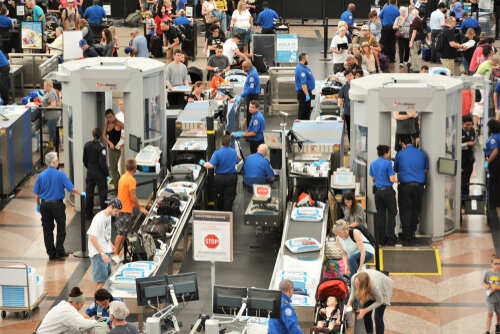
American Aviation Is Near Collapse — Fatal crashes, overstressed controllers, and endless security lines reveal a system teetering on the brink of failure. (Gift Article)https://t.co/WnusdTrB81
— The Christian Left (@TheChristianLft) March 23, 2026
The political backdrop in 2026 adds another layer: with the country fighting a war with Iran and MAGA voters divided over foreign commitments, patience for “endless spending with weak delivery” is thin. Aviation is a domestic competence test—whether Washington can do the basics before asking for more money, more authority, or more public trust. Limited data in public summaries leaves some operational details unclear, but the central takeaway is well supported: the system isn’t collapsing, yet it is stressed enough to demand real management reform.
Sources:
American Airlines Receives Stern Complaint Letter From …
Air travel issues have continued to grow at airports across …
Long lines and flight delays are plaguing airports around …