When Cubans start chanting “Libertad” in the dark and storm a Communist Party office, it’s a reminder of what centralized power looks like when it can’t even keep the lights on.
Story Snapshot
- Overnight March 13–14, protesters in Morón, Cuba ransacked and tried to burn a local Communist Party headquarters as crowds chanted “Libertad.”
- Videos circulating online appear to capture gunfire and a man collapsing, while Cuban state media denies anyone was shot and calls the episode “vandalism.”
- State outlets reported five arrests and claimed the disturbance was caused by a small group after a peaceful protest turned violent.
- The unrest is tied to worsening blackouts and fuel shortages, with Cuba’s government also pointing blame outward at U.S. pressure and sanctions dynamics.
Morón Erupts as Blackouts Fuel a Rare Violent Protest
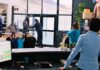
Residents in Morón, a city roughly 250 miles east of Havana on Cuba’s northern coast near the Cayo Coco tourist area, poured into the streets overnight March 13–14 as power outages and shortages dragged on. Footage from the scene shows crowds moving through unlit streets before the unrest escalated at the municipal Communist Party headquarters. Protesters threw rocks, ransacked the building, and set fires using items taken from inside, all while chanting for freedom.
Other sites were also hit during the disturbance, including a pharmacy and a government market, according to the same reporting. Cuban state media described the initial gathering as a peaceful exchange with local authorities that later “turned” when a smaller contingent moved into vandalism. That official framing matters because the government tightly controls public narratives, especially when events suggest political dissent rather than a purely economic complaint.
Conflicting Claims: Gunfire Heard, Injury Disputed, Arrests Confirmed
The most sensitive detail is what happened during the clash outside the Party building. Video shared by major outlets appears to include the sound of gunfire, followed by screams and a man collapsing before others carry him away. Cuban state media pushed back hard, insisting no one was injured by police gunfire and asserting the man’s collapse was a drunken fall rather than a shooting. With no independent verification cited in the available reporting, the cause of the injury remains unresolved.
What is confirmed in the reporting is the government’s immediate enforcement response. State outlets said authorities arrested five people after the incident. The official messaging also accused outside “media manipulation” of sowing fear—language consistent with one-party systems that treat uncontrolled video as a threat. In practical terms, the combination of arrests and a denial of security-force harm signals a familiar playbook: contain the street action, then try to contain the story.
Energy Collapse and Fuel Shortfalls Sit at the Center of the Crisis
Cuba’s unrest is not occurring in a vacuum; it sits on top of an energy system that appears increasingly brittle. Reports tied the latest tensions to rolling blackouts and a broader fuel shortage, including a nationwide outage connected to a failure at the Antonio Guiteras power plant, described as the island’s largest. President Miguel Díaz-Canel also publicly referenced a gap in petroleum supplies—saying no shipments arrived for three months—forcing reliance on alternatives like natural gas and thermoelectric generation.
The Cuban government continues to argue that external pressure worsens conditions, while the U.S. under President Trump has pursued tougher leverage, including steps aimed at curbing Venezuelan oil reaching Cuba. The reporting also notes Cuba’s longstanding dependency on foreign fuel and aging infrastructure. Even with those factors, the public-facing reality for ordinary Cubans remains stark: long outages, shortages, and a ruling party that claims to represent the people while operating with a monopoly on political power.
What This Episode Signals About Control, Dissent, and the Limits of State Narratives
For Americans watching from the outside, the Morón footage is a real-time example of how quickly “order” can break down when a government’s legitimacy rests on control rather than consent. Western outlets characterized the event as a rare violent escalation compared with smaller, earlier “pot-banging” protests over blackouts. Cuban state media, by contrast, downplayed the scale and emphasized criminality. The gap between those narratives is itself a data point: in closed systems, information becomes a battleground.
Protesters ransack a Cuban communist party office: state media
— CGTN America (@cgtnamerica) March 14, 2026
Limited reporting beyond March 14 makes it difficult to measure whether Morón was an isolated outburst or a sign of broader momentum. What is clear is that blackouts and shortages are persisting nationwide, and the government’s response prioritized arrests and message control. In a country ruled by a single party since 1959, that combination is not surprising. The open question is whether ongoing energy failures will keep pushing more Cubans from quiet frustration into public, organized defiance.
Sources:
Protesters torch Communist Party HQ in Cuba as video appears to capture gunfire