A new policy threatens free speech, sparking outrage among advocates.
Story Highlights
- ABC suspends Jimmy Kimmel after FCC pressure over political commentary.
- Democrats introduce a bill to protect free speech from government interference.
- Legal experts cite a Supreme Court decision supporting Kimmel’s case.
- Potential implications for media companies and First Amendment rights.
Suspension Sparks Free Speech Debate
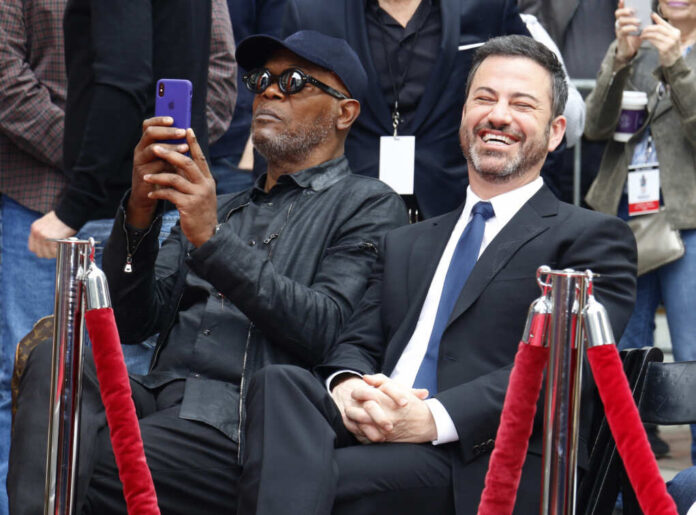
ABC’s decision to suspend Jimmy Kimmel’s late-night show has ignited a fierce debate over free speech rights in America. The suspension followed threats from FCC Chairman Brendan Carr, a Trump appointee, who condemned Kimmel’s remarks criticizing Republican responses to the tragic shooting of Charlie Kirk. The FCC’s threats coincided with Disney’s pending acquisition of the NFL Network, creating a complex backdrop of media regulation and political pressure.
The suspension has drawn sharp criticism from top Democrats, who view the move as a politically motivated attack on the First Amendment. In response, they have introduced legislation aimed at fortifying free speech protections against government retaliation. This proposed bill is seen as a direct challenge to what they perceive as an overreach by the FCC, which has historically maintained a contentious relationship with media critics under the current administration.
If you want to defend the events leading to Kimmel's suspension, you can obviously do so. But be honest about what happened:
The triggering event — the central fact — is FCC Chair Brendan Carr explicitly threatened stations with state reprisals if they continue to air Kimmel: pic.twitter.com/sWvn6A6zmF
— Glenn Greenwald (@ggreenwald) September 19, 2025
Legal Context and Implications
Legal experts have weighed in on the situation, suggesting that Kimmel has a strong case if he decides to pursue legal action. This perspective is bolstered by a recent Supreme Court decision that clarified public officials cannot use their power to punish or retaliate against speech. This ruling could serve as a pivotal precedent in any potential legal battle, shaping the future of free speech protections in the United States.
The ongoing tension between government oversight and media freedom highlights the delicate balance between regulatory authority and constitutional rights. As media companies navigate these pressures, the implications for political commentary and the broader media landscape remain significant.
Potential Long-term Effects
The suspension of Kimmel’s show underscores a broader concern about the chilling effect on political commentary and media self-censorship. If media companies increasingly face regulatory threats tied to business interests, it could lead to a cautious approach in political coverage. This situation raises important questions about the role of government in regulating speech and the impact on public discourse.
While the legislative response from Democrats seeks to address these concerns, the bill’s success remains uncertain in a Republican-controlled Congress. The outcome of this political and legal struggle will have far-reaching implications for journalists, political commentators, and the public’s trust in media integrity.
Sources:
Democrats introduce bill to protect free speech following Kimmel suspension
Democrats introduce bill to protect free speech following Kimmel suspension
The media’s appeal to free speech over Jimmy Kimmel is fake and won’t work anymore