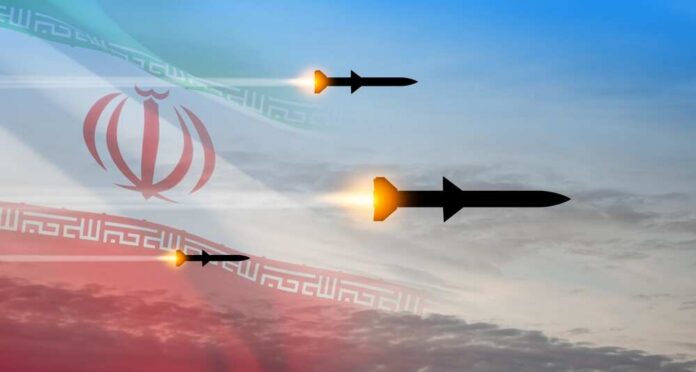
Iran’s ballistic missile assault on Qatar’s Ras Laffan facility—the world’s largest liquefied natural gas export hub—has halted production and exposed the fragility of global energy security while Trump draws a red line against further Iranian aggression.
Story Highlights
- Iranian missiles struck Qatar’s Ras Laffan LNG facility on March 19, 2026, causing extensive damage and halting all production at the hub supplying 20% of global LNG exports
- The attack was retaliation for an Israeli strike on Iran’s South Pars gas field, part of the world’s largest natural gas reservoir shared with Qatar
- President Trump threatened to “massively blow up” Iran’s South Pars facility if Tehran attacks Qatar again, revealing US forces were unaware of Israel’s initial strike
- Qatar expelled all Iranian diplomats within 24 hours and condemned the assault as crossing all red lines, marking a dangerous shift from proxy conflicts to direct infrastructure warfare
- Global energy markets face severe disruption as UAE and Saudi facilities also sustained hits, threatening Europe and Asia’s LNG supplies amid escalating regional war
Iranian Assault Shuts Down World’s Premier LNG Hub
Iranian ballistic missiles and drones slammed into Qatar’s Ras Laffan industrial complex in the early hours of March 19, 2026, igniting fires visible from 30 kilometers away and forcing a complete production shutdown at the facility responsible for exporting 32 million tonnes of LNG annually. Qatar’s Ministry of Foreign Affairs condemned the strikes as a blatant violation of sovereignty, with officials confirming extensive damage to critical infrastructure while emergency response teams worked to contain blazes across the sprawling coastal site. The attack directly threatens energy supplies to European and Asian markets already stretched thin by prior Iranian disruptions in the Strait of Hormuz.
Retaliation for Israeli Strike on Shared Gas Reservoir
Iran launched the Ras Laffan assault in direct response to an Israeli airstrike the previous day targeting the South Pars gas field, the Iranian portion of the world’s largest natural gas reservoir that Qatar and Iran share beneath the Persian Gulf. Tehran’s Islamic Revolutionary Guard Corps vowed “uncontrollable consequences” after the Israeli hit, warning Gulf states they would pay the price for hosting US military assets or enabling strikes on Iranian energy infrastructure. Qatar had ironically condemned Israel’s South Pars strike as “dangerous and irresponsible” just hours before becoming collateral damage in the escalating US-Israel war on Iran entering its twentieth day. This represents a troubling breakdown in deterrence, as shared economic interests in the gas field failed to prevent Iran from weaponizing energy security against its Gulf neighbor.
Trump Issues Ultimatum as Gulf States Expel Iranian Diplomats
President Trump posted on Truth Social at midday March 19 that the United States would “massively blow up” Iran’s South Pars facility if Tehran dares attack Qatar again, simultaneously revealing American forces had no advance knowledge of Israel’s initial strike on the shared reservoir. Qatar’s government ordered all Iranian embassy officials, military attachés, and personnel to leave the country within 24 hours, signaling a complete rupture in diplomatic relations following what Foreign Ministry officials described as an attack that “crossed all red lines.” The UAE and Saudi Arabia issued parallel condemnations as Iranian strikes also hit the UAE’s Habshan gas facility and Bab field, unifying Gulf monarchies against Iranian aggression despite Qatar’s past blockade by neighboring states. This coordinated response strengthens the US-Israel-Gulf axis while Iran faces the prospect of devastating American retaliation for any further infrastructure attacks.
Global Energy Markets Brace for Supply Catastrophe
The Ras Laffan shutdown ripples across international energy markets already reeling from Qatar’s earlier declaration of force majeure on LNG contracts due to prior Iranian harassment in the Strait of Hormuz. Qatar supplies approximately one-fifth of the world’s liquefied natural gas, with European nations and Asian importers heavily dependent on these flows to heat homes, power industries, and produce fertilizers now facing critical shortages. Energy analysts warn the production halt echoes the 2019 Abqaiq attacks on Saudi facilities that temporarily wiped out half of the kingdom’s oil output and rattled global markets with potential hundred-billion-dollar economic impacts. Iran’s willingness to strike energy infrastructure represents a dangerous escalation beyond proxy warfare, threatening to choke off Gulf exports responsible for roughly 25% of global LNG production and potentially triggering a full Strait of Hormuz blockade that would paralyze world oil flows.
This assault on critical energy infrastructure exposes the reckless Iranian regime’s contempt for global stability and civilian populations dependent on affordable energy supplies. American leadership under President Trump now stands as the essential deterrent against further Iranian attacks that would plunge Europe and Asia into energy crises while enriching hostile powers. The shared South Pars reservoir illustrates how Iran exploits economic interdependence as a weapon rather than pursuing peaceful cooperation, validating longstanding conservative warnings about Tehran’s malign regional ambitions and the folly of appeasing a theocratic dictatorship that threatens allies hosting US military forces protecting freedom of navigation and energy security worldwide.
Sources:
Abu Dhabi, Dubai news live updates: UAE war news March 19 – Hindustan Times
Extensive damage as Iran strikes hit world’s largest gas hub in Qatar – Inquirer
Israel and Iran attack gas facilities in a major escalation that rattles markets – KOSU