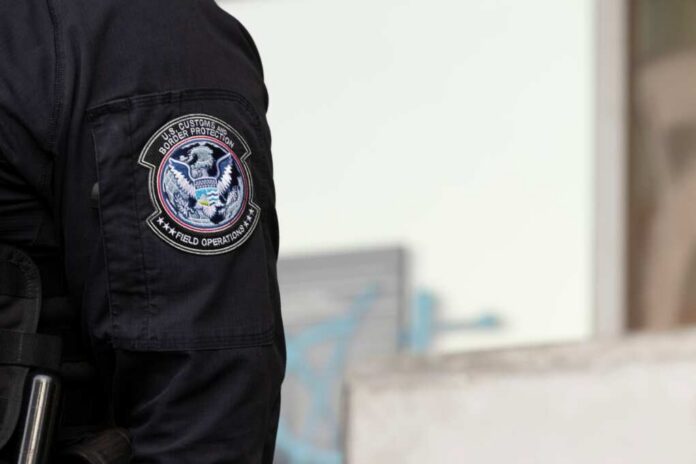
A legally armed VA nurse ended up dead in Minneapolis after federal agents branded him a “gunman” even as video footage reportedly showed a phone in his hand.
Story Snapshot
- Alex Jeffrey Pretti, 37, was shot and killed by CBP agents on Jan. 24, 2026, near 26th Street and Nicollet Avenue during protests tied to Operation Metro Surge.
- DHS initially claimed Pretti approached agents with a handgun and resisted, but video accounts and witness statements described him holding a phone and not brandishing a weapon.
- New reporting said two CBP agents fired, and ICE’s Homeland Security Investigations unit is leading an unusual inquiry involving another DHS component.
- Sen. Rand Paul and other Republicans publicly questioned the administration’s narrative and pushed for an independent investigation.
What Happened in Whittier—and Why It Sparked Immediate Doubts
Alex Pretti, a U.S. Department of Veterans Affairs intensive care nurse, was killed during unrest in Minneapolis after a separate Jan. 7 shooting of Renée Good by an ICE agent helped ignite protests. Accounts summarized in public reporting say agents approached Pretti as he stood near a doughnut shop area in the Whittier neighborhood. Video descriptions and witness affidavits later asserted he held a phone and did not display a firearm before agents wrestled him down and gunfire followed.
Those details matter because the government’s first public framing described a dangerous “gunman” scenario, a label that can harden public opinion before facts are tested. For conservatives who back strong immigration enforcement, the standard is still constitutional policing: deadly force must match an actual, articulable threat. If the available video and sworn witness accounts are accurate, the public deserves a transparent explanation for why de-escalation failed, and why a legally carried firearm became a death sentence instead of a secured item.
This is the man who ICE just murdered. His name is Alex Pretti. He was 37 and an ICU nurse. He was holding a camera and filming ICE agents. He was executed for trying to hold the U.S. Gestapo accountable. pic.twitter.com/dQr0P2WPCv
— Power to the People ☭🕊 (@ProudSocialist) January 24, 2026
DHS Messaging, Local Pushback, and the Fight Over the Facts
Federal-local tension escalated quickly after the shooting. Reporting and summaries indicate DHS limited access for Minneapolis police in the immediate aftermath, fueling accusations that federal authorities were controlling the narrative and the scene. Minnesota officials disputed DHS suggestions about state non-cooperation, while city leaders demanded clarity and access. When public trust is already low after months of protests and enforcement actions, any perception of a sealed-off investigation invites suspicion—even among voters otherwise inclined to support border security operations.
The dispute also widened because the incident sits inside Operation Metro Surge, a major federal push that placed immigration agents into urban enforcement roles. Conservatives have long argued the border crisis and interior enforcement failures required action after years of weak policy and selective prosecution. At the same time, federal power has to stay within constitutional guardrails. When citizens see dueling claims—official statements versus video descriptions and affidavits—confidence in enforcement erodes, and the people who pay the price are often the good agents who follow policy and the communities that need order restored.
Republicans Break Ranks: Rand Paul’s Demand for an Independent Probe
The most politically significant development is that criticism did not come only from activists or Democrats. Sen. Rand Paul publicly questioned whether it was truthful to claim Pretti “brandished” a weapon and argued for an independent investigation, while still supporting immigration enforcement in principle. Other Republicans described the shooting as disturbing and raised questions about training and trust. That kind of pushback signals concern that rushed, inflammatory statements can undermine legitimate enforcement by making it harder to defend truly justified uses of force.
Two Shooters Reported, an Unusual ICE-Led Inquiry, and a Funding Clock
Subsequent reporting indicated two CBP agents fired, not one, and that ICE’s Homeland Security Investigations unit is leading a probe that effectively involves one DHS component examining another. That structure may be legal, but it invites questions about independence and public credibility, especially in a heated environment with protests still active. The controversy also landed amid a looming Jan. 31 funding deadline, pulling DHS oversight into broader budget brinkmanship and forcing Congress to weigh accountability demands against operational continuity.
For a conservative audience that wants law-and-order without a weaponized bureaucracy, the lesson is straightforward: transparency and due process protect everyone, including officers. If video and affidavits contradict official claims, leadership owes the public a clear, evidence-based timeline, body-camera clarity where available, and a credible investigative framework. When government messaging jumps ahead of verified facts, it doesn’t just inflame protest politics—it risks making federal power look unbounded, exactly the kind of overreach Americans are right to resist.
https://youtube.com/shorts/45heFi53RxM?si=J2jeShcX5yN_7jOP
Sources:
Killing of Alex Pretti
Alex Pretti shooting in Minneapolis: Growing number of Republicans criticize Trump admin response
Pretti shot by two CBP agents