
Washington’s latest DHS shutdown drama is now hitting Americans where it hurts most—five-hour TSA lines, mass delays, and unpaid security workers—because Democrats won’t flip the funding “off-switch.”
Quick Take
- Major airports reported TSA waits stretching roughly three to five hours as staffing strains worsened during peak travel.
- The Trump-Vance White House says Democrats blocked a clean continuing resolution, leaving TSA and air traffic personnel working without pay.
- Aviation and airport industry groups urged Congress to pass a clean CR to stabilize operations and limit safety risks.
- The shutdown has been linked to DHS funding fights tied to immigration policy and broader budget priorities.
TSA Lines and Flight Delays Become the Shutdown’s Most Visible Flashpoint
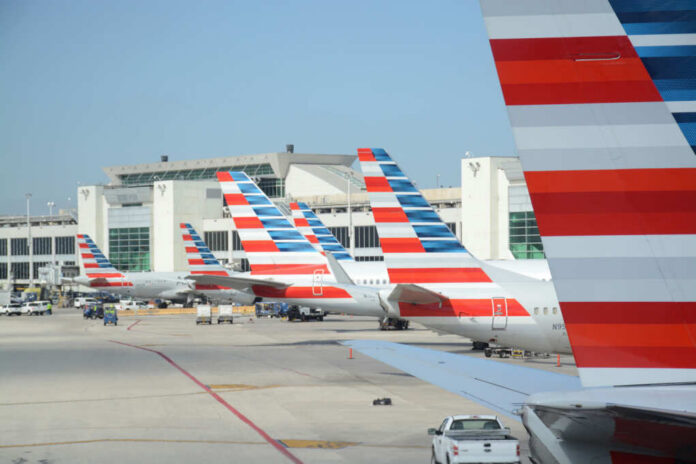
Houston’s George Bush Intercontinental became a national symbol of the disruption after reports of TSA lines reaching as long as five hours, while delays and cancellations spread across the country. The White House said the recent weekend brought the “worst” staffing conditions, with ripple effects at many of the nation’s busiest airports. When screening checkpoints back up, missed flights turn into rebookings, overnight stays, and cascading delays that punish ordinary travelers.
Air traffic control strains also surfaced alongside TSA bottlenecks. The reporting in the administration’s materials described staffing shortages at air traffic control facilities and a sharp increase in the number of short-staffed sites compared with the prior year. Even when planes are ready, understaffed towers and centers can slow departures, reroute flights, and compress schedules. In practical terms, that means families trying to get home and workers traveling for jobs are left paying the price for Washington’s gridlock.
Why DHS Funding Became the Pressure Point in a Broader Immigration Fight
The shutdown traces back to a breakdown over DHS funding and immigration policy disputes. The Trump-Vance administration has argued for an “America First” budget approach and accused Democrats of refusing a clean continuing resolution that would keep government operating while negotiations continue. The research provided describes Democrats opposing Republican funding proposals tied to border security priorities and objecting to spending lines the administration characterizes as supporting illegal immigrant benefits or “woke ideology” programs.
House materials in the research connect the standoff to backlash over President Trump’s deportation tactics and to Democrats using DHS funding as leverage. The same research also notes repeated shutdown episodes over a short period, emphasizing how quickly the pattern can become normalized in Washington. For conservatives focused on orderly immigration enforcement and constitutional governance, the big issue is straightforward: DHS is not an abstract bureaucracy—it houses border enforcement, immigration functions, and major national security responsibilities.
Unpaid Federal Security Workers and Real-World Public Safety Stress
Shutdowns do not “pause” the need for border security, aviation screening, or air traffic control. The research highlights the scale of the workforce caught in the middle, including roughly 13,000 air traffic controllers and more than 50,000 TSA employees, as well as a broader law-enforcement footprint that includes Border Patrol and ICE. When those workers are forced to serve without pay, morale and retention risks rise, and absenteeism becomes a predictable operational threat.
The aviation sector’s warnings were not framed as partisan theater. Airlines for America and Airports Council International–North America urged a clean CR to restore stability and prevent delays from compounding at record travel volume. Pilots’ representatives also called for reopening government and supporting unpaid workers. These statements matter because they focus on operational reality: aviation runs on tight coordination, and disruptions at TSA, CBP, or ATC can degrade throughput quickly, creating choke points that no amount of messaging can fix.
Economic Damage and the Bigger Governance Question
The research cites estimates that shutdown-driven travel disruption can cost more than $1 billion per week in lost travel spending, alongside secondary hits to small businesses and households that planned trips months in advance. Some effects are less obvious but still serious: delayed cargo, strained airport operations, and degraded customer service as airlines and airports try to handle surges with fewer reliable federal inputs. The longer the shutdown persists, the more likely “temporary” chaos becomes baked into normal travel planning.
White House Blasts Dems 'Reckless' DHS Shutdown As TSA Lines Get Longerhttps://t.co/A70RzJWgda
— RedState (@RedState) March 9, 2026
Politically, the White House message is that Democrats “hold the off-switch,” while Democrats have warned about harms to families, small businesses, and essential services. The research also notes a Washington Post editorial board critique highlighting security risks associated with DHS defunding during heightened international tensions and the practical impact on programs such as Global Entry. What is clear from the documented facts is that Americans lose time, money, and trust when core security agencies are used as bargaining chips instead of being funded responsibly.
Sources:
Thank a Democrat for Five-Hour TSA Lines, Mass Flight Delays
ICYMI: Even Washington Post Editorial Board Thinks Democrat Shutdown Puts