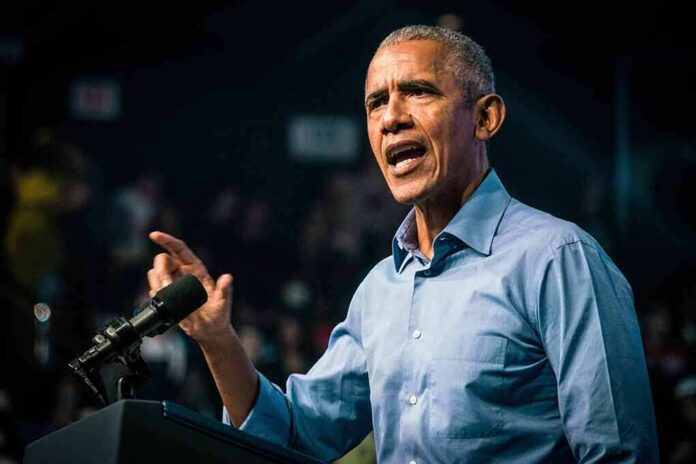
Barack Obama used back-to-back Midwest rallies to blame President Trump’s Iran war and tariffs for higher prices and to urge voters to check one-party rule.
Story Snapshot
- Obama said Trump’s Iran war and tariffs pushed up prices and hurt families.
- He contrasted his nuclear diplomacy with Trump’s military approach.
- He tied tariffs to costs for U.S.-made goods that rely on imported parts.
- He rallied Democrats in Detroit and Ohio ahead of the midterms.
What Obama Said On Stage
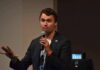
Barack Obama told Michigan and Ohio crowds that Trump brought “chaos and cruelty,” broke promises, and raised costs through an Iran war and tariffs. Obama argued the conflict unsettled energy markets by giving Iran leverage over the Strait of Hormuz, a key oil route. He said tariffs made everyday goods more expensive, including products built in the United States that need foreign parts. He urged voters to use the midterms to act as a “circuit breaker” on Washington’s direction.
Obama framed the moment as a test of government accountability. He said leaders should lower costs, avoid needless wars, and follow the rules that apply to everyone. He linked pocketbook strain to policy choices, not fate. He also criticized immigration enforcement tactics he described as heavy-handed. He spoke to large audiences that included union members, small business owners, and younger voters, drawing applause with calls to protect democratic norms and to reject corruption claims he highlighted on the trail.
Where And Why It Matters
Obama campaigned in Detroit at Cass Technical High School and in Ohio with Democratic candidates, including Abdul El-Sayed and Jocelyn Benson, to boost turnout before the midterms. He targeted Midwest issues like autos and manufacturing, arguing that tariffs on allies, including Canada, ripple through supply chains and raise prices for American buyers. The timing reflects a common midterm pattern: a high-profile party leader rallies base voters while trying to sway independents focused on costs and stability.
The speeches landed in a political environment where Republicans control Congress and the White House. That gives the majority power to set budgets, approve judges, and guide foreign policy. Supporters of Trump say tariffs bring revenue and push companies to build more at home, while critics focus on higher input costs and consumer prices. The White House also issued an Iran-related order that linked trade penalties to national security concerns, reflecting a more confrontational posture.
Competing Policy Visions On Iran And Trade
Obama contrasted his approach to Iran’s nuclear program, which relied on a negotiated deal, with Trump’s use of force and sanctions to confront Tehran. Obama said war risked energy shocks and shipping threats, while diplomacy had constrained nuclear activity without combat. Trump’s team, by contrast, defended tough measures as necessary to counter Iranian threats. The administration tied economic tools, including added duties on countries buying from Iran, to security aims earlier in 2026.
On trade, Obama said tariffs were a hidden tax on families and factory floors. He pointed to U.S.-made products that still require imported inputs, like chips and parts, meaning costs can climb at every step. He also criticized tariffs on Canada for hitting the Michigan auto sector. Backers of tariffs argue they level the field and can drive reshoring. The clash sets up a clear choice for voters: short-term price hits versus longer-term leverage and domestic production goals.
Why Both Sides Feel Let Down
Many conservatives blame past global deals, high spending, and green mandates for weak growth, high energy bills, and lost jobs. Many liberals blame America First policies, lower safety-net support, and fossil fuel dependence for widening gaps and climate harm. Obama tapped into a shared worry: government seems to serve insiders first. He told audiences that leaders should be stewards, not celebrities, and that concentrated power without checks invites mistakes that working families end up paying for.
Obama’s rallies also showed how midterms often turn on trust. Voters want lower prices, safer streets, stable borders, and fair rules. They also want proof that big decisions, like war and tariffs, are made for the country, not for headlines or donors. That is why Obama pressed for turnout in union halls and school gyms. He argued that elections are how people remind Washington who is boss, especially when one party holds the levers of power.
Sources:
youtube.com, nbcnews.com, aljazeera.com, rappler.com, yespunjab.com, bridgemi.com, theconversation.com