
When pop spectacle lifts a famous uniform from the sports world into a staged firefight, you don’t just get a viral clip—you trigger the fault line where brand control collides with artistic expression, and the law moves fast to decide who gets to define what the audience saw.
At a Glance
- The owner of the Dallas Cowboys Cheerleaders brand filed for a temporary restraining order and preliminary injunction over costumes at a My Chemical Romance Hollywood Bowl show.
- Reports describe performers in blue-and-white, star-studded cheer outfits during The Black Parade segment, then arming with rifles and being depicted as shot.
- The filings allege consumer confusion—audience members and social media users believed the dancers were actual Dallas Cowboys Cheerleaders.
- After a cease-and-desist, Pro Silver Star says the band refused to stop the “infringing use,” intensifying the push for emergency court relief.
What Prompted the Legal Action
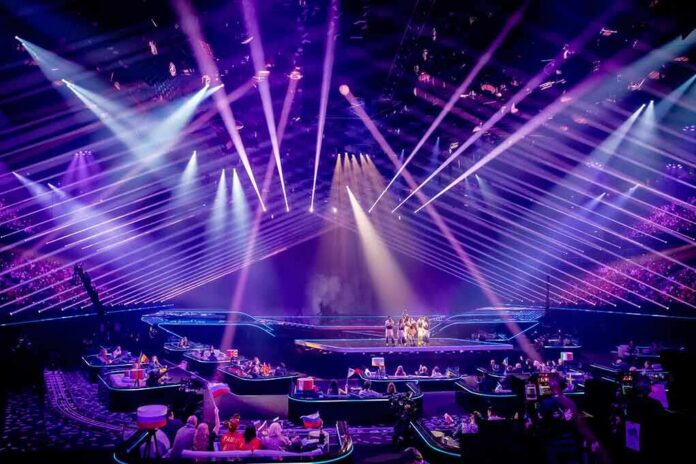
Pro Silver Star Ltd., which controls the Dallas Cowboys Cheerleaders (DCC) brand, sought a temporary restraining order and preliminary injunction on October 23, 2026, after a My Chemical Romance (MCR) production at the Hollywood Bowl on October 21 featured female dancers in lookalike DCC uniforms during The Black Parade sequence. TheWrap’s account of the filing describes a stark pairing: performers in a DCC-style outfit taking the stage, arming with rifles in a choreographed shootout, and being depicted as shot—all within the dystopian, theatrical frame of the concert. The Economic Times likewise reported blue-and-white uniforms with star elements reminiscent of the DCC look.
The brand owner’s motion isn’t just about copying a silhouette; it claims the presentation misled concertgoers and online viewers into believing an official affiliation, a classic false-endorsement theory under modern trademark law. According to reports, Pro Silver Star demanded the band halt the use after the show; the filing says the defendants refused to stop, which is why the request for immediate court intervention arrived within days.
Why Uniforms Become Legal Battlegrounds
Uniforms sit at a junction of aesthetics and identity. In intellectual property terms, they can embody several doctrines at once. Trademark and unfair competition protect source identifiers and guard against false endorsements—exactly the concern claimed here: whether an ordinary viewer could think a performance signals official DCC sponsorship. Separately, design elements of “useful articles” like apparel sometimes qualify for copyright if the artwork can be conceptually separated from the garment’s function, a principle recognized by the Supreme Court in Star Athletica v. Varsity Brands; that case centered on cheerleading uniform designs and clarified when graphic features are protectable as art even when applied to a uniform.
Entertainment disputes of this sort also run into the doctrine governing expressive works. Courts assess uses of marks and trade dress in performances, films, and television under standards that give breathing room to art—often summarized through the Rogers framework—which asks whether the use has artistic relevance and avoids explicitly misleading the audience about endorsement. In practice, this means a concert can stage cultural symbols to tell a story, but the closer it veers to signaling a brand’s actual participation, the less shelter that artistic defense provides.
The Allegations, Translated Into Legal Theories
Three strands run through the reported filing. First, likelihood of confusion: claims that audience members and social media users believed the performers were real DCC members go to the heart of false endorsement and trademark infringement analysis. Courts examine not just visual similarity but the total context—what was said on stage, signage, credits, marketing copy, even how the costumes were choreographed in relation to the headliner. Second, unauthorized use after notice: a swift cease-and-desist followed by continued use strengthens requests for emergency relief, because it implies ongoing harm that money alone cannot remedy. Third, reputational harm: pairing an iconic cheer brand with rifles and a staged execution tableau could be argued to tarnish the mark—dilution-by-tarnishment theories focus on degrading associations that harm a famous identifier’s goodwill, independent of confusion.
On the other side of the ledger, expressive-use defenses focus on the production’s theatrical frame. The Hollywood Bowl sequence was part of a dystopian narrative with pyrotechnics and simulated conflict; within that storytelling, uniforms can serve as cultural shorthand rather than brand signaling. Under modern First Amendment-inflected trademark rules, the question becomes whether any artistic relevance is overwhelmed by explicit misleadingness—statements or staging that would lead a reasonable attendee to believe DCC authorized the performance. That is where evidence about what was said from stage, show programs, and post-concert posts can matter greatly.
Evidence That Will Likely Matter Most
Courts deciding a temporary restraining order move quickly and weigh concrete facts. Several categories typically prove decisive. Visual documentation: full-performance video from multiple angles is central to determining just how close the garments were to the DCC ensemble—color blocking, star shapes and placement, boot style, bolero cut, and accessory choices—and how the dancers were framed in the narrative. Consumer perception: contemporaneous posts from attendees and press, as well as a properly designed confusion survey, help show whether viewers inferred endorsement or understood the scene as fiction. Ownership and fame: trademark registrations, brand guidelines, and licensing history establish which features the public associates with DCC as a source indicator, not merely as “generic cheerleader” styling; the Star Athletica line of authority provides a parallel for parsing separable design elements in uniforms.
Finally, reputational impact: declarations from sponsors, licensees, and brand partners, along with any post-show complaints, will either substantiate or undercut claims of tarnishment. Dilution and irreparable harm are equitable inquiries; the court will look for credible narratives from counterparties who actually weigh brand risk in commercial decisions.
How This Fits the Larger Entertainment-Law Pattern
This case sits comfortably within a recurring pattern: famous marks that double as cultural icons inevitably migrate into stagecraft. When they do, the legal system sorts them based on function. If the mark functions as a source cue—“these are the Dallas Cowboys Cheerleaders”—the Lanham Act and dilution doctrines bite. If it functions as expressive vocabulary—“these characters evoke America, sports, and spectacle within our fictional regime”—the First Amendment-minded tests tend to shield the use unless it communicates a false endorsement. The industry’s practical lesson is consistent: if the costume language closely tracks a famous brand, disclaiming affiliation, altering key trade dress elements, and embedding the reference in unmistakable narrative fiction reduces risk. If you invite ambiguity, you also invite an emergency motion.
The speed and posture here underscore that point. Pro Silver Star’s choice to pursue a temporary restraining order just days after the Hollywood Bowl performance signals urgency: the concern is ongoing use on a tour or in circulating video content, and the belief that confusion and reputational harm mount with each performance or share. Courts are receptive to swift, targeted relief when the record shows both a distinctive mark and a use likely to create mistaken affiliation, especially after a cease-and-desist is rebuffed.
im crying . bro . the concept of screenshots of mcr fans thinking the cheerleaders were the dallas cowboys being included in a lawsuit pic.twitter.com/XIZTzVbTqd
— avery 🗡️ ieroween (@gorebugs) October 24, 2026
What to Watch Next
Short-term, the docket’s emergency stage will be about whether the show can go on in its current form. That turns on granular details: precise costume features, onstage statements, program credits, and the veracity of alleged confusion. Medium-term, if the case proceeds, expect expert testimony on trade dress distinctiveness; a survey on endorsement confusion; and, given the uniforms, arguments channeling Star Athletica’s separability rubric to demarcate protectable artwork from generic cheer garb. Long-term, the case will join the canon that guides tour designers and brand owners alike: creative borrowing thrives in the abstract, but when the visual grammar collapses into a single, famous source identifier—especially in a tableau that courts see as degrading—the law tends to side with the trademark holder.
Sources:
nypost.com, yahoo.com, economictimes.indiatimes.com, tmz.com, lifeboxset.com, contactmusic.com, reddit.com