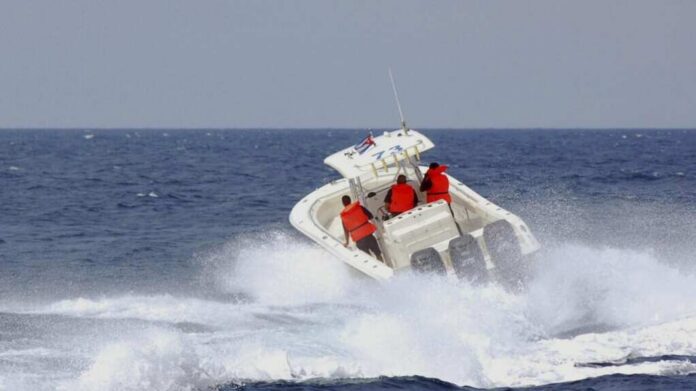
A deadly armed confrontation between Cuban forces and a Florida-registered speedboat carrying military-grade weapons has exposed dangerous gaps in border security while raising urgent questions about who financed this operation from U.S. soil.
Story Snapshot
- Four people killed, six wounded after armed speedboat crew allegedly opened fire on Cuban border guards in territorial waters on February 25, 2026
- Cuban authorities seized assault rifles, sniper rifles, night vision equipment, and materials linked to alleged terrorist organizations from the boat
- Secretary of State Marco Rubio confirms investigation but warns most facts come from Cuban sources requiring independent verification
- Boat owner claims vessel was stolen, while Florida officials launch separate state investigation citing distrust of Cuban government
- Incident echoes 1996 Cuban shootdown that killed four Americans and codified the U.S. trade embargo into law
Armed Confrontation in Cuban Waters Leaves Four Dead
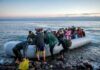
Cuban Border Guard Troops engaged a Florida-registered speedboat approximately one mile off Villa Clara Province on February 25, 2026, resulting in four fatalities and six wounded among the boat’s crew. Cuban authorities assert the vessel’s occupants initiated gunfire, forcing a defensive response. At least one deceased individual, Michel Ortega Casanova, has been confirmed as a U.S. citizen. Cuban officials reported seizing an arsenal including assault rifles, sniper rifles, handguns, Molotov cocktails, bulletproof vests, night vision equipment, bayonets, camouflage clothing, and insignia from organizations Cuba labels as counterrevolutionary terrorist groups.
Federal and State Investigations Proceed with Skepticism
Secretary of State Marco Rubio announced that the Department of Homeland Security and U.S. Coast Guard would investigate the incident independently, emphasizing that the majority of publicly reported facts originated from Cuban sources requiring verification. Florida political leaders responded forcefully, with Miami Congressman Carlos Gimenez rejecting Cuba’s sovereignty claims and characterizing the incident as murder. Florida Attorney General James Uthmeir launched a separate state investigation, declaring the Cuban government cannot be trusted. The boat’s ownership remains disputed, with the registered owner alleging an employee stole the vessel. At least one crew member held a U.S. visa, while several others may have been green card holders.
Cuba Seeks Information While Claiming Self-Defense
Cuba’s Deputy Foreign Minister Carlos Fernández de Cossío announced Thursday that Cuban officials are communicating with U.S. counterparts and seeking details about the suspects and their organizational methods. Cuban authorities arrested a seventh suspect on land, accusing him of providing logistical support for what they characterize as a planned invasion and terrorist operation. Cuba has repeatedly provided the U.S. government with information about individuals allegedly promoting, financing, and organizing violent acts against Cuba from U.S. territory. This pattern of alleged impunity for anti-Castro operatives in Florida has been a longstanding source of tension between the two nations.
Incident Heightens Tensions Amid Trump Administration Pressure
The confrontation occurred as President Trump’s administration intensified economic pressure on Cuba, threatening tariffs on any country providing oil to the island and effectively halting Venezuelan petroleum shipments through military intervention. Cuba has implemented severe fuel-saving measures in response, leading to widespread blackouts affecting food storage and water pumps. These dire humanitarian conditions have prompted record numbers of Cubans to flee the island. The incident parallels the 1996 Cuban military shootdown of two U.S. civilian planes that killed four Americans, marking a low point in bilateral relations that led Congress to codify the trade embargo into law. Cuban political scientist Rafael M. Hernández characterized the alleged operation as silly and counterproductive, questioning what the crew hoped to accomplish.
The clash underscores fundamental concerns about border security and accountability for operations launched from U.S. territory. While Cuban authorities control the immediate crime scene and initial narrative, the Trump administration’s rightful skepticism demands thorough independent verification before accepting Cuban claims at face value. Florida officials demonstrate appropriate vigilance by launching their own investigation, recognizing that relying solely on a communist regime’s account would be foolish. The seized military equipment and alleged terrorist connections raise serious questions about who financed this operation and whether U.S. authorities adequately monitored potential threats originating from American soil. As investigations proceed, Americans deserve answers about how a heavily armed crew assembled and departed from Florida waters without detection.
Sources:
Cuba says it is communicating with US after fatal boat shooting but seeks more details
Cuban coast guard boat killing